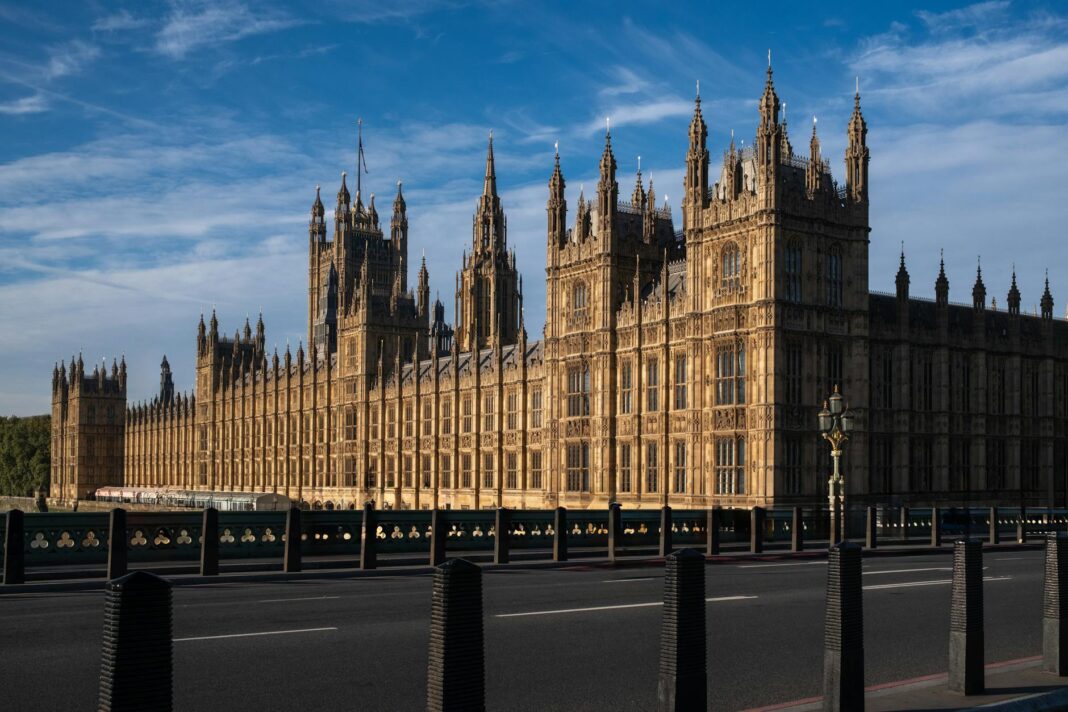
Government Shutdown: No End in Sight
As the government shutdown stretches into its fourth day, the situation is becoming increasingly dire. Negotiations have reached a standstill, leaving citizens in a state of uncertainty. With both sides of the political aisle firmly entrenched in their positions, a resolution seems far from reach. The implications of this stalemate are significant, affecting everything from federal employee paychecks to essential services that many Americans depend on.
Standoff Over Health Care Funding
At the heart of this shutdown is a contentious debate over health care funding. Lawmakers are grappling with a budget proposal that has sparked fierce disagreements. While one side argues for increased funding to support essential health programs, the other is pushing for cuts. This clash reflects deeper ideological divides in Congress, with each party unwilling to budge. The stakes are high, as millions of Americans rely on government-supported health care programs, and any disruption could have catastrophic consequences for those in need.
Health care funding is not just a matter of numbers; it affects real lives. Programs aimed at supporting the elderly, low-income families, and those with disabilities are at risk. Delays in funding can result in service interruptions, leading to greater health disparities. For instance, community health clinics that serve low-income populations may have to scale back services or even shut their doors entirely. This is not just a political issue; it’s a matter of public health and welfare that impacts the most vulnerable among us.
Impact on Citizens and Federal Employees
The effects of the shutdown are already being felt across the country. Federal employees are facing uncertainty regarding their paychecks, with many living paycheck to paycheck. Essential services are also being impacted, with public health programs at risk and national parks closed. The longer the shutdown drags on, the more frustrated the public becomes. Citizens are left wondering how their elected officials can allow this impasse to continue, especially when critical services hang in the balance.
For federal workers, the shutdown means more than just missing a paycheck. It translates to increased anxiety over financial stability, especially for those who are already struggling. With bills to pay and families to support, the stakes couldn’t be higher. Many federal employees are now turning to food banks or seeking temporary employment to make ends meet. This is not just a political issue; it’s a human one, as real lives are affected by the decisions made in Washington.
The Broader Economic Fallout
Beyond the immediate impact on government services and employees, a prolonged shutdown could have broader economic repercussions. Economists warn that the longer the government remains closed, the greater the risk of a downturn in economic growth. Federal spending is a significant driver of the economy, and disruptions can ripple through various sectors. Small businesses that rely on government contracts may find themselves struggling to survive, leading to layoffs and reduced consumer spending.
Moreover, confidence in the government could erode if this shutdown drags on, affecting investment and consumer behavior. People may start holding back on spending, fearing that the economic climate will worsen. This kind of uncertainty can dampen economic growth and hinder recovery efforts from previous downturns. In short, the stakes extend beyond politics; they touch every American, whether directly or indirectly.
What’s Next?
It’s difficult to predict how this situation will unfold. Will lawmakers find common ground, or will the shutdown continue indefinitely? Pressure is mounting from constituents demanding action, and both parties must reckon with the consequences of their inaction. As the deadline looms, the urgency for a resolution grows. The public is watching closely, and the repercussions for politicians could be severe if they fail to resolve this crisis swiftly.
The path forward requires compromise and a willingness to prioritize the needs of the American people over political agendas. As citizens, we must demand accountability from our leaders. The time for rhetoric is over; it’s time for action. Our health, our jobs, and our future depend on it.
Questions
What are the potential long-term effects of the shutdown on public health programs?
How might this standoff influence the next election cycle?
What measures can be taken to prevent future shutdowns?