Shutdown Stalemate Continues
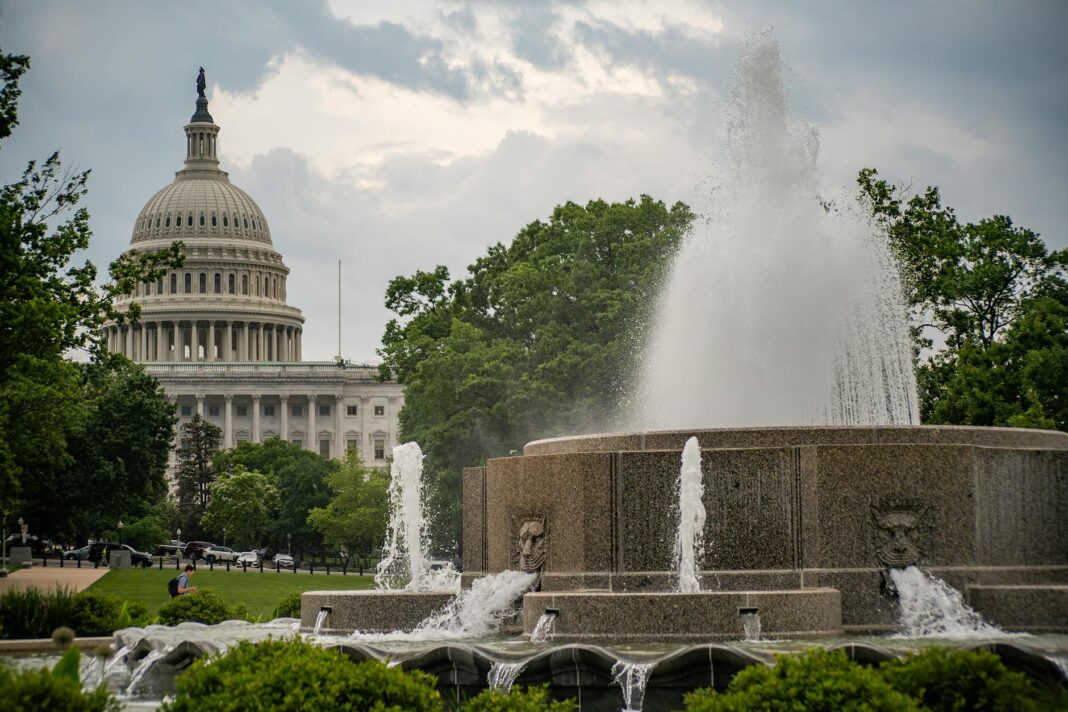
The federal government shutdown has now dragged into its ninth day, leaving millions of Americans in uncertainty and frustration. Both Republican and Democratic efforts to pass bills aimed at reopening the government have stalled once again, signaling a deepening divide between the two parties. With key negotiations faltering, federal workers and numerous programs remain in limbo as the clock ticks on. Each passing day without a resolution adds to the toll taken on those who depend on government services and salaries.
Military Pay Assurance by Trump
In the midst of this chaos, former President Donald Trump has stepped into the fray, pledging that military personnel will not miss their paychecks despite the ongoing shutdown. This promise comes as a relief to many in the armed forces who rely on timely compensation for their service. Trump’s statement aims to reassure those who defend the nation that their financial stability will not be compromised during this political impasse. However, while military pay may be secure, the same cannot be said for countless other federal employees who are left anxiously awaiting a resolution.
Impacts on Federal Employees and Services
The implications of the shutdown extend far beyond political posturing. Federal employees, numbering in the hundreds of thousands, are facing unpaid leave or furloughs, creating a ripple effect on their families and the economy. These workers often find themselves caught in the crossfire of partisan disputes, with their livelihoods hanging in the balance. Essential services provided by the government, including national parks, museums, and various federal programs, have either been limited or entirely halted, disrupting the daily lives of citizens who rely on these services.
This situation raises questions about the government’s responsibility to its employees and citizens during times of bureaucratic conflict. When essential functions of government cease, it’s not just a matter of inconvenience; it’s a reflection of a system that’s failing to meet its obligations. From delayed passport applications to halted small business loans, the ramifications of the shutdown are extensive and far-reaching.
Public Sentiment and Frustration
As the shutdown continues, public sentiment is increasingly turning sour. Americans are growing impatient with what they perceive as irresponsible behavior from their elected officials. The frustration is palpable, with many citizens expressing their outrage over the apparent inability of lawmakers to reach a compromise. Social media is abuzz with calls for accountability, and protests are springing up in various locations, signaling that people are fed up with the status quo. The impact of this stalemate is not just a matter of inconvenience; it’s affecting livelihoods and the trust people place in their government.
Looking Ahead: What’s Next?
As the situation evolves, the question remains: how long will this shutdown last? With both sides entrenched in their positions, the path to resolution appears daunting. The stakes are high, and the consequences of inaction could be severe, not only for federal employees but also for the broader economy. Each day that passes without a resolution means more financial strain on workers and potential long-term damage to public services.
Moreover, the shutdown underscores critical questions about governance and accountability. What does it say about a government that cannot come to a consensus on essential funding? The urgency for a solution has never been more critical, as Americans await any sign of progress from their leaders. Failure to act not only exacerbates the immediate crisis but also erodes public trust in democratic institutions.
Questions
What measures should be taken to resolve the government shutdown quickly?
How do prolonged shutdowns affect public trust in government?
What can citizens do to hold their elected officials accountable during such crises?