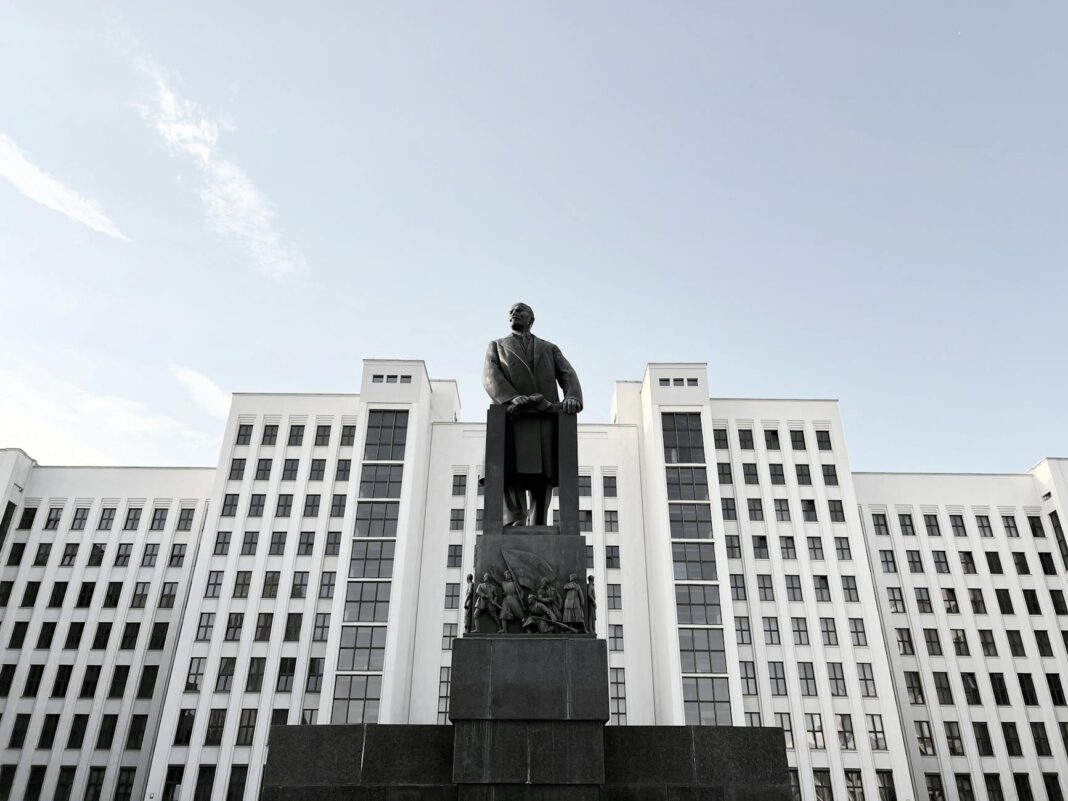
The Government Shutdown: A Bipartisan Blame Game
As the government shutdown kicks off, the air is thick with tension. Republicans and Democrats are pointing fingers, each side claiming the other is responsible for the impasse. This isn’t just a political game; it affects millions of lives. Federal employees are left in limbo, wondering when or if they will get paid. Services that many rely on are suspended, and all eyes are on Washington as the clock ticks down.
Negotiations Behind Closed Doors
While partisan rhetoric fills the media, a small group of senators is attempting to bridge the divide. They are huddled in private meetings, trying to hammer out a deal that could end the shutdown. This bipartisan effort is crucial, as it represents a flicker of hope amid the chaos. However, skepticism looms large. Will these senators be able to break through the gridlock, or will their efforts be overshadowed by the ongoing blame game?
Impact on Federal Employees
The fallout from a government shutdown is not just political; it has real-world consequences. Federal employees face furloughs, and many are already grappling with financial uncertainty. These individuals rely on their paychecks to support their families, pay bills, and keep their lives on track. The looming threat of mass firings adds salt to the wound, making the situation even more precarious. The emotional toll on these workers is palpable, and the stakes couldn’t be higher.
Public Services at a Standstill
Public services are also in jeopardy. From national parks to social services, the shutdown halts operations that many citizens depend on. The longer the deadlock persists, the greater the impact on everyday Americans. Citizens are left asking: What will happen to essential services? This isn’t merely a temporary inconvenience; it could have lasting effects on the economy and well-being of communities across the nation.
The Road Ahead: What’s Next?
The path forward remains uncertain. With both sides entrenched in their positions, the chances for a swift resolution appear slim. As the clock ticks, pressure is mounting on lawmakers to find common ground. The question now is whether they will prioritize their constituents’ needs over political posturing. Only time will tell if this shutdown will be a wake-up call for a more unified approach to governance.
Questions
What do you think will be the long-term effects of this government shutdown?
How can federal employees prepare for the uncertainty during a shutdown?
What steps can lawmakers take to avoid future shutdowns?