Mario Guevara’s Arrest and Deportation
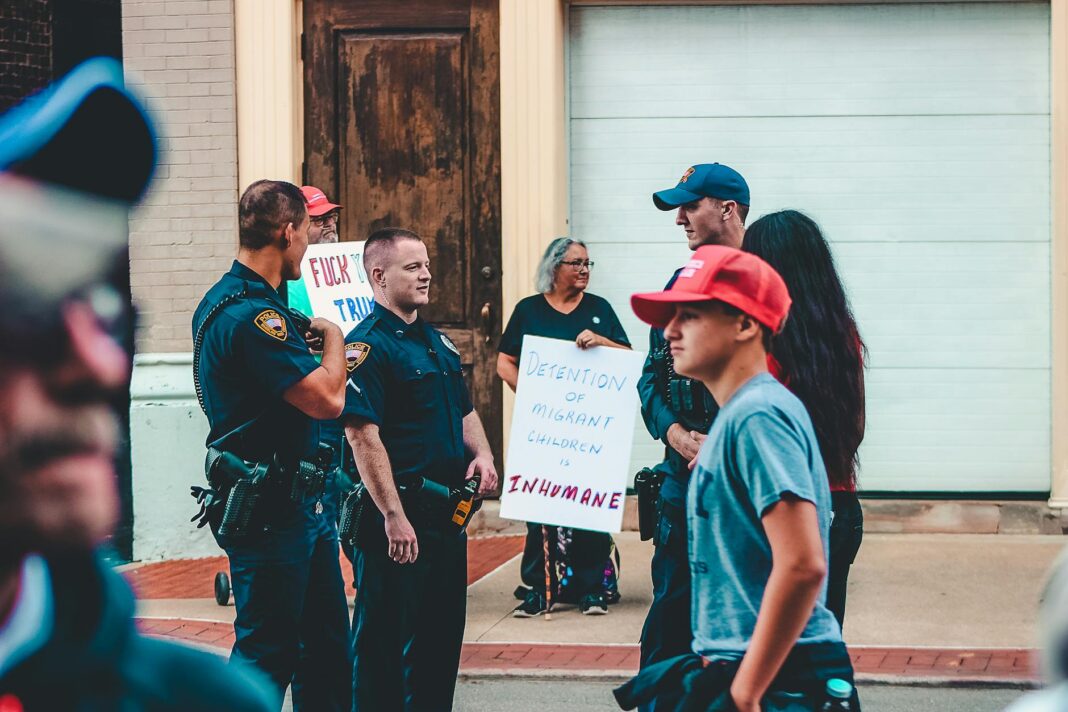
Mario Guevara, a dedicated independent journalist, has been deported to El Salvador after his arrest in the United States. His arrest occurred while he was covering a protest against the Trump administration, an incident that has raised significant concerns among free speech advocates and journalism organizations. Guevara’s situation highlights the precarious position many journalists face, particularly those who take on controversial subjects or challenge governmental narratives.
Implications for Press Freedom
The deportation of Guevara is not just a personal tragedy; it serves as a stark reminder of the ongoing threats to press freedom in the U.S. and abroad. His case has drawn attention to the chilling effect that such actions can have on journalists who strive to report truthfully and objectively. Free speech groups are alarmed, asserting that the U.S. has a responsibility to protect journalists, especially those covering critical issues like protests and government policies.
Background on Guevara’s Work
Before his deportation, Guevara was known for his fearless reporting and commitment to uncovering the truth. He often delved into stories that other media outlets shied away from, risking his safety to inform the public. His arrest during the protest was a pivotal moment that not only impacted his life but also raised questions about the treatment of journalists in the U.S. under the current political climate. This incident represents a troubling trend where journalists become targets rather than the watchdogs of democracy they are meant to be.
The Broader Context
The deportation of journalists is becoming an unsettling trend globally, with many countries tightening their grip on press freedoms. In the case of Guevara, the U.S. has been criticized for not providing protection and support to those who face persecution for their work. This event exemplifies the broader narrative of how governmental actions can stifle independent journalism, raising alarms about the future of free expression and information dissemination.
Looking Ahead
The future for Mario Guevara and journalists in similar situations remains uncertain. Advocacy groups are calling for reforms and more robust protections for journalists. The need for a safe environment where reporters can operate freely is more pressing than ever. As the landscape of journalism continues to evolve, so too must the legal frameworks that protect those dedicated to the truth.
Questions
What steps can be taken to better protect journalists like Mario Guevara?
How does Guevara’s case reflect the current state of press freedom internationally?
What role do advocacy groups play in supporting journalists facing persecution?