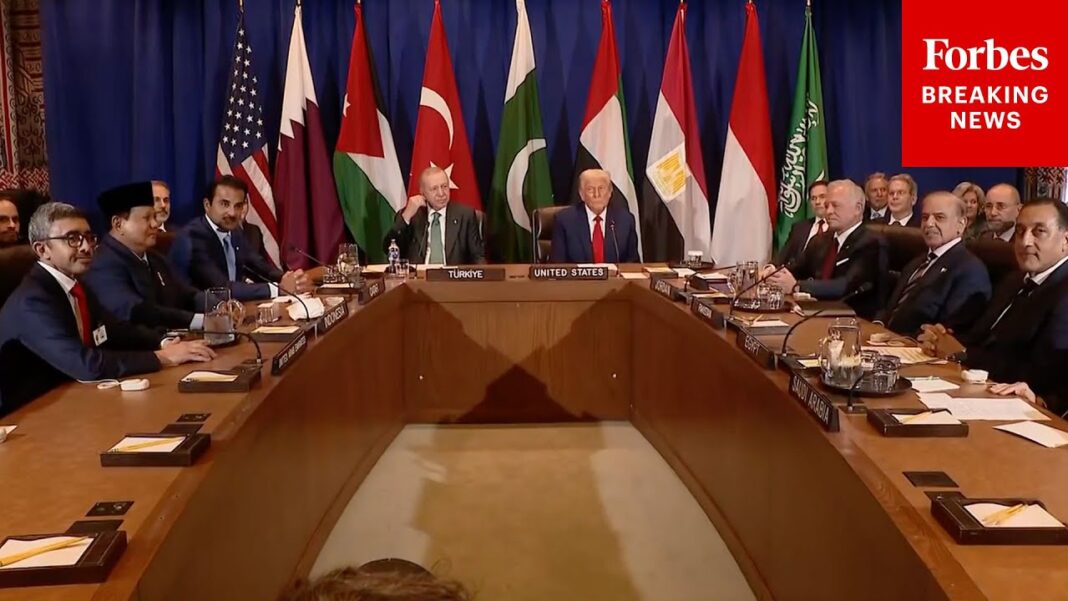
Trump’s Bold Assertion on Ukraine’s Future
In a striking statement, former President Donald Trump has declared that Ukraine has the potential to reclaim all of its territory currently held by Russia. This assertion marks a significant pivot in Trump’s perspective, particularly regarding the ongoing conflict that has engulfed Ukraine since 2014. The former president emphasized that with robust support from NATO and European allies, Ukraine could not only defend its sovereignty but also reclaim lost lands. This declaration does not come lightly; it reflects a complicated understanding of the geopolitical dynamics at play and the expectations surrounding international support.
Shifting Dynamics in International Support
Trump’s comments come at a time when the geopolitical landscape is continually evolving, and the war in Ukraine is far from over. His remarks suggest a growing belief that Ukraine is not merely on the defensive but can actively regain its territory. This is a departure from some previous narratives that portrayed Ukraine as being in a perpetual struggle against a more powerful adversary. By calling for increased support from NATO and Europe, Trump is urging a united front to bolster Ukraine’s military and strategic capabilities.
This shift in rhetoric may invigorate discussions among policymakers about how best to assist Ukraine. The idea that Ukraine could win back its territories might inspire greater engagement from allies who have, until now, been hesitant to escalate their involvement. However, it is essential to recognize that while encouragement can be a powerful motivator, the reality on the ground is complex. The situation requires a careful and nuanced approach, as military conflicts are unpredictable and fraught with risks.
What Does This Mean for Ukraine?
For Ukraine, Trump’s statement could be a double-edged sword. On one hand, the endorsement from a prominent political figure in the United States could galvanize support and provide a much-needed morale boost. The sentiment of reclaiming territory may resonate with the Ukrainian populace, which has endured immense suffering and hardship since the onset of the conflict. National pride and the desire for sovereignty are powerful motivators, and Trump’s assertion could rekindle hope among those who have faced adversity.
On the other hand, such declarations bring with them the expectation of heightened military engagement and a commitment from Western nations that may not be universally agreed upon. The implications of an escalated military campaign could lead to increased casualties and further destabilization in the region. While optimism is essential, it is equally crucial to temper expectations with realism. The ongoing conflict has demonstrated that military power alone cannot guarantee victory; strategic planning, intelligence, and diplomatic efforts must work in tandem.
The Role of NATO and Europe
Trump’s call for NATO and European nations to step up their involvement is not new, but it underscores the importance of collective security in the face of aggression. The alliance has historically acted as a deterrent against external threats, and its role in supporting Ukraine cannot be understated. As countries grapple with their own internal issues, the commitment to support Ukraine can waver. Trump’s insistence on unity and stronger support highlights the precarious balance of power in Eastern Europe and the need for a cohesive strategy among allies.
However, the complexity of international politics means that not all NATO members view the situation in Ukraine through the same lens. Some nations may prioritize their own domestic concerns over foreign commitments, leading to potential fractures within the alliance. The challenge lies in fostering a unified front that can effectively respond to the evolving situation while addressing the diverse interests of member countries. This delicate balancing act is crucial as Ukraine navigates its path toward reclaiming territory.
A Future of Uncertainty
As Ukraine seeks to reclaim its territory, the path forward will undoubtedly be fraught with challenges. The situation is dynamic, and any military campaign will require not only resources but also strategic planning and international cooperation. With the stakes so high, the discourse surrounding Ukraine’s potential victory against Russia is critical, as it shapes the narratives and responses from global powers. Trump’s comments may be seen as a rallying cry, but the reality of warfare is complex and unpredictable.
Moreover, the potential for escalation raises questions about the long-term implications for regional stability. If Ukraine were to embark on a campaign to reclaim territory, the risks of provoking a more aggressive response from Russia are significant. The geopolitical repercussions could reverberate beyond Ukraine’s borders, affecting relationships and alliances across the continent. As this situation unfolds, the world watches closely, balancing hope for Ukraine’s success with the sobering realities of conflict.
Questions
What factors will influence Ukraine’s ability to reclaim its territory?
How might international support evolve in response to Trump’s comments?
What are the implications of increased military engagement in Ukraine?