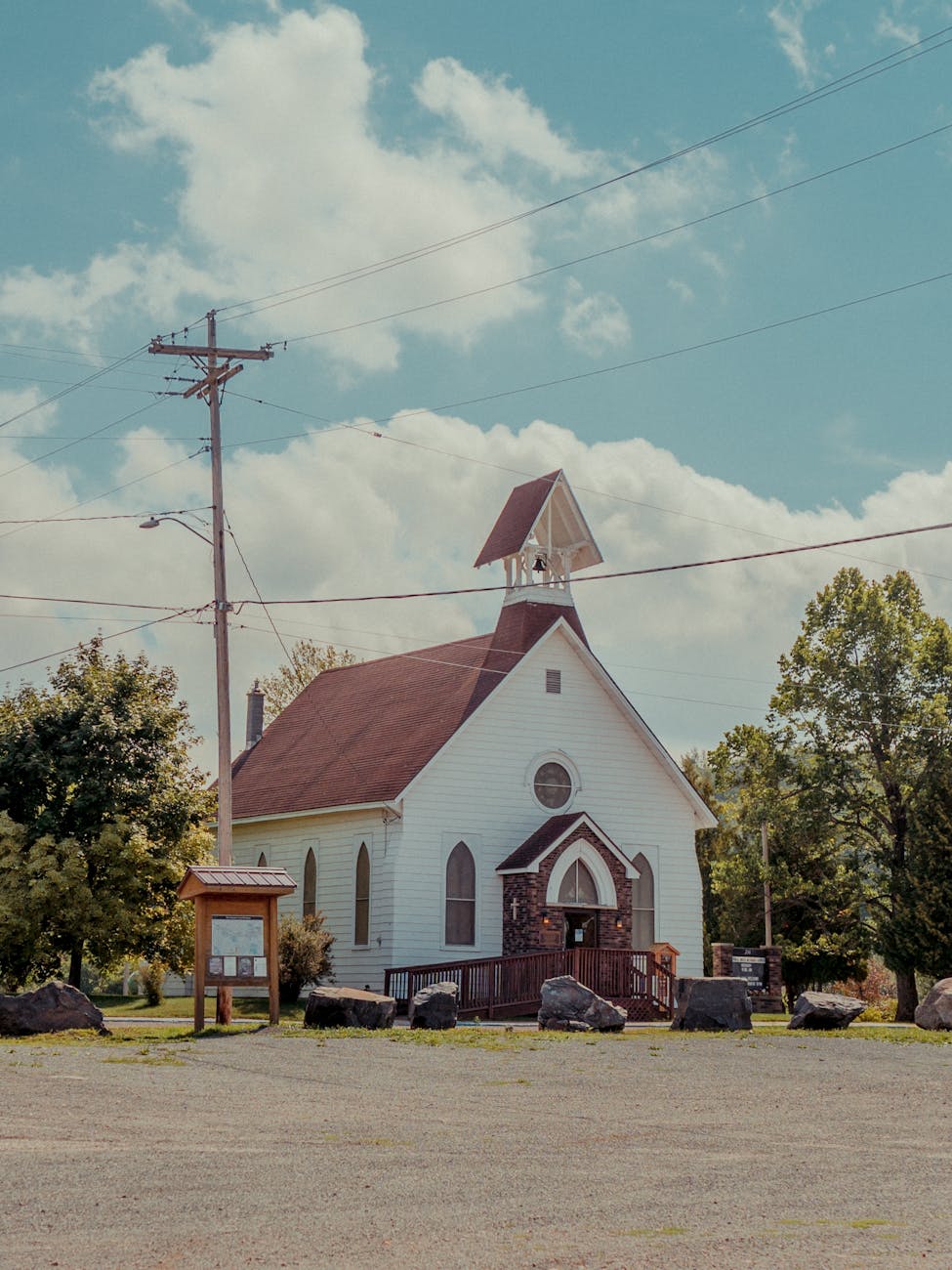
Michigan Church Shooting: A Bitter Reflection of Anti-Mormon Sentiment
On a seemingly ordinary Sunday, a tragic incident unfolded at a Church of Jesus Christ of Latter-day Saints (LDS) in Michigan, thrusting the community into the spotlight for all the wrong reasons. This attack on worshippers is more than just an isolated event; it serves as a stark reminder of the long-standing animosity that Mormons have faced throughout American history. The roots of this hatred run deep, entwined in a narrative filled with discrimination and violence.
The Historical Context of Hatred Against Mormons
The Mormon community has endured a history of persecution since its founding in the early 19th century. From the violent expulsion of Mormons from Missouri to the infamous Mountain Meadows Massacre, the LDS faith has often been a target for bigotry and violence. This recent shooting reflects a disturbing continuity in this narrative, where acts of hatred are not just relics of the past but are very much alive today.
The Political Landscape
What complicates the situation further is the dual animosity Mormons receive from both sides of the political spectrum. On one hand, conservative circles often criticize the church’s unique beliefs and practices, while on the other, progressives may struggle to fully embrace the LDS community due to historical stereotypes. This polarizing dynamic leaves Mormons in a precarious position, often feeling marginalized and misunderstood. The Michigan church shooting is a painful testament to the real-world consequences of this ongoing vilification.
Community Response and Resilience
In the aftermath of the shooting, local and national leaders have expressed their condolences and solidarity with the affected community. However, mere words are not enough to heal the wounds inflicted by such violence. The Mormon community has a long history of resilience, and it is crucial that they rally together to address both the immediate impacts of this tragedy and the broader societal issues that contribute to such acts of hate.
Moving Forward: A Call for Understanding
As we grapple with the implications of this shooting, it is essential to foster a culture of understanding and respect. Open dialogue about religious differences and a commitment to combatting prejudice are vital steps toward healing. The tragic events in Michigan should serve as a wake-up call, urging us all to confront our biases and work toward a more inclusive society. Only then can we hope to dismantle the cycles of hatred that have persisted for far too long.
Questions
What steps can communities take to combat religious intolerance?
How can the broader society better support marginalized religious groups?
What role does education play in reducing prejudice against Mormons and other faiths?