
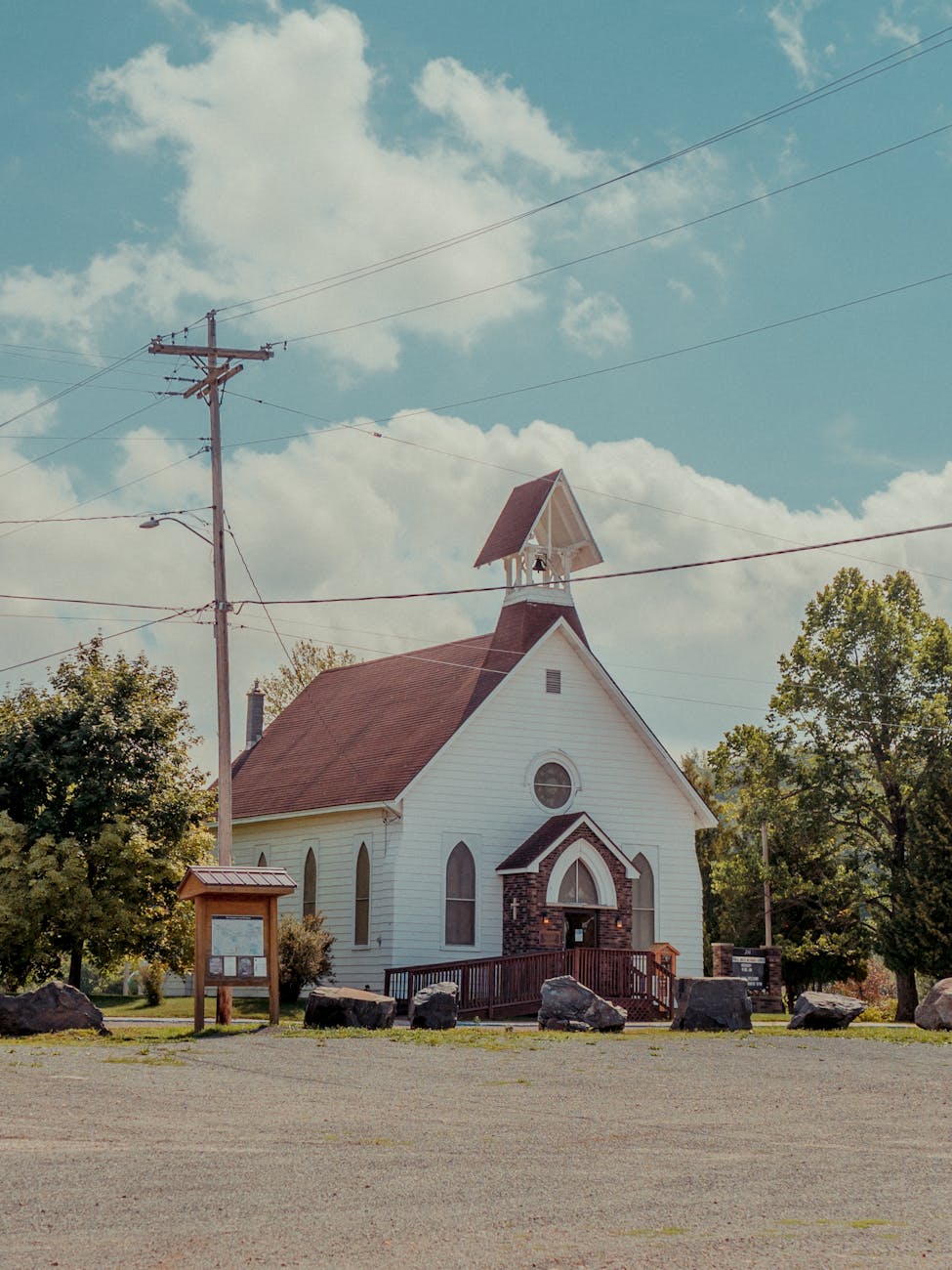

Tragic Incident at Michigan Church
The peaceful atmosphere of a Latter-day Saints church in Grand Blanc Township, Michigan, was shattered when a shooting incident occurred, leading to chaos and confusion among the congregation. The alleged attacker, identified as a former U.S. Marine, has thrown the community into a state of shock and mourning. Authorities are piecing together the motives behind this violent act that has left many questioning how such a tragedy could unfold in a place of worship.
Details of the Attack
Initial reports indicate that the suspect not only opened fire within the church but also set the building ablaze, raising concerns about the planning and intent behind the attack. Witnesses described a scene of pandemonium as congregants attempted to flee the flames and gunfire. Emergency services were dispatched promptly, but the aftermath revealed significant damage and a community grappling with both emotional and physical scars.
Eyewitness accounts paint a vivid picture of the horror. Some described hearing gunshots followed by screams, while others recounted seeing smoke billowing from the church as people rushed out. Firefighters arrived on the scene to combat the flames that quickly engulfed portions of the building, working tirelessly to ensure no one was trapped inside. Despite their best efforts, the damage was extensive, and the church—a place meant for solace and community—was left in ruins.
Suspect’s Background
The assailant, a former Marine, presents a complex profile. His military background raises questions about how someone with such training could resort to violence against innocent people. Investigators are delving into his past, looking for clues that might explain this drastic shift from service to violence. Friends and family are being interviewed to shed light on any potential warning signs leading up to this horrific event.
While the details of his military service remain unclear, the fact that he is a veteran adds layers to the narrative. Many veterans struggle with mental health issues, including PTSD, which can lead to destructive behaviors. This incident has sparked discussions about the challenges that servicemen and women face upon returning to civilian life and the support systems that often fail them. It raises the question: How many more are suffering in silence, and what can be done to help them before they reach a breaking point?
Community Reaction
In the wake of the shooting, the local community has rallied together in support of the victims. Vigils and memorials are being organized as individuals come to terms with the tragedy. Community leaders are calling for unity, emphasizing the need for healing and support in the aftermath of such a violent eruption. The resilience of the community is on full display, even as they grapple with fear and uncertainty about their safety in places that should be sanctuaries.
Local churches and organizations are opening their doors to those affected, providing counseling services and a safe space for community members to express their grief. The response from the community illustrates a commitment to not only support those directly impacted but also to foster a sense of belonging and reassurance that they will not be defined by this tragedy.
Ongoing Investigation
The investigation into the shooting and arson is ongoing, with law enforcement urging anyone with information to come forward. Authorities are examining surveillance footage, collecting evidence from the scene, and working to understand the full scope of the attack. As more details emerge, the community is left to ponder the implications of this violence and what it means for their future.
In addition to the immediate investigation, there are calls for a broader examination of gun violence and the societal factors contributing to such acts. As communities across America grapple with similar incidents, the conversation around mental health, gun control, and community safety has never been more pressing.
Questions
What steps can communities take to prevent such incidents in the future?
How can authorities better support victims and their families after such tragedies?
What role does mental health play in the profiles of individuals who commit such violence?