

Understanding the Legal Landscape of Military Deployment
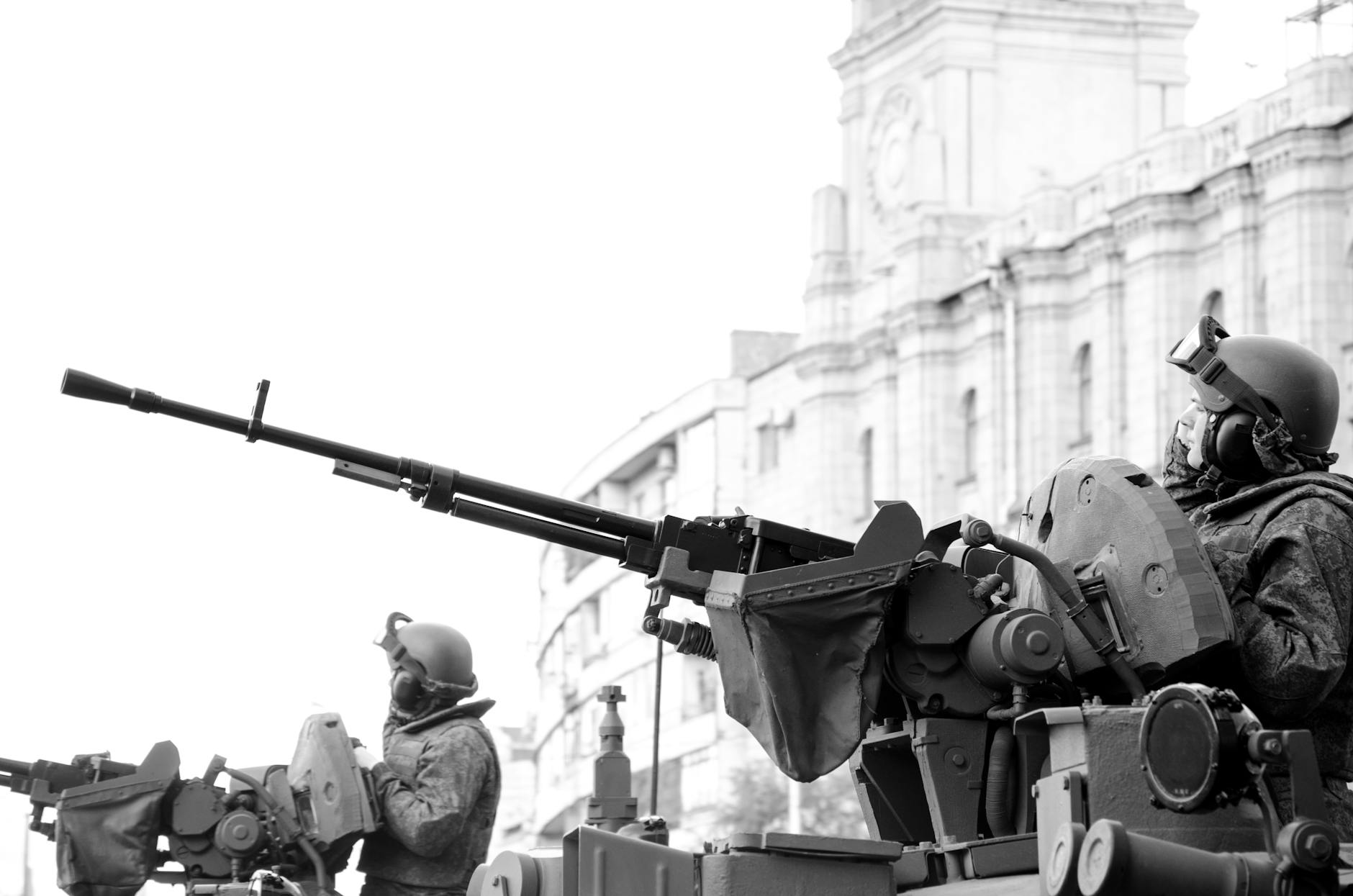
The deployment of military troops to Portland has sparked a fierce debate among legal experts and constitutional scholars. This move raises serious questions about the limits of federal authority, particularly concerning the use of military personnel for domestic law enforcement. The federal law is clear: the Posse Comitatus Act restricts the use of the Army and Air Force in domestic law enforcement roles, except under specific conditions. The implications of this act are critical in understanding the current situation.
Trump’s Push Against Established Norms
President Trump’s administration has shown a willingness to push the boundaries of this law, leading to a complicated legal scenario. By deploying troops to assist in law enforcement, the administration is treading on thin ice. Some experts argue that this action not only violates established norms but could also be considered illegal under current federal statutes. The complexities arise when trying to determine whether the justification for such a deployment is valid or merely a political maneuver.
The Role of the Courts in Military Deployment
With the administration’s aggressive stance, the question remains: how will the courts respond? The judiciary has historically played a crucial role in interpreting the limits of executive power and the legality of military involvement in civilian affairs. Courts may be hesitant to intervene in matters of national security; however, the fundamental rights of citizens and the rule of law may compel judicial action. The tension between executive authority and judicial oversight is palpable, and the outcome could set significant precedents for the future.
Public Response and Its Implications
The public reaction to the military presence in Portland has been mixed, with many advocating for the protection of civil liberties. Protests and demonstrations highlight a growing concern that the deployment symbolizes an erosion of democratic norms. Citizens are increasingly aware that the use of military force in domestic settings can lead to a slippery slope, where civil rights may be compromised in the name of public safety. This raises the stakes not only for Portland but for the nation as a whole.
Looking Forward: The Future of Military and Law Enforcement
As the situation unfolds, it is crucial to monitor how this development will influence future interactions between military and law enforcement agencies. Will this lead to a normalization of military involvement in civilian situations, or will it provoke a backlash that reinforces the boundaries established by law? The stakes are high, and the outcome could redefine the relationship between the military, law enforcement, and the citizens they serve.
Questions
What are the potential legal ramifications for deploying troops domestically?
How might this situation affect public trust in law enforcement?
What precedent could this set for future military involvement in civilian affairs?