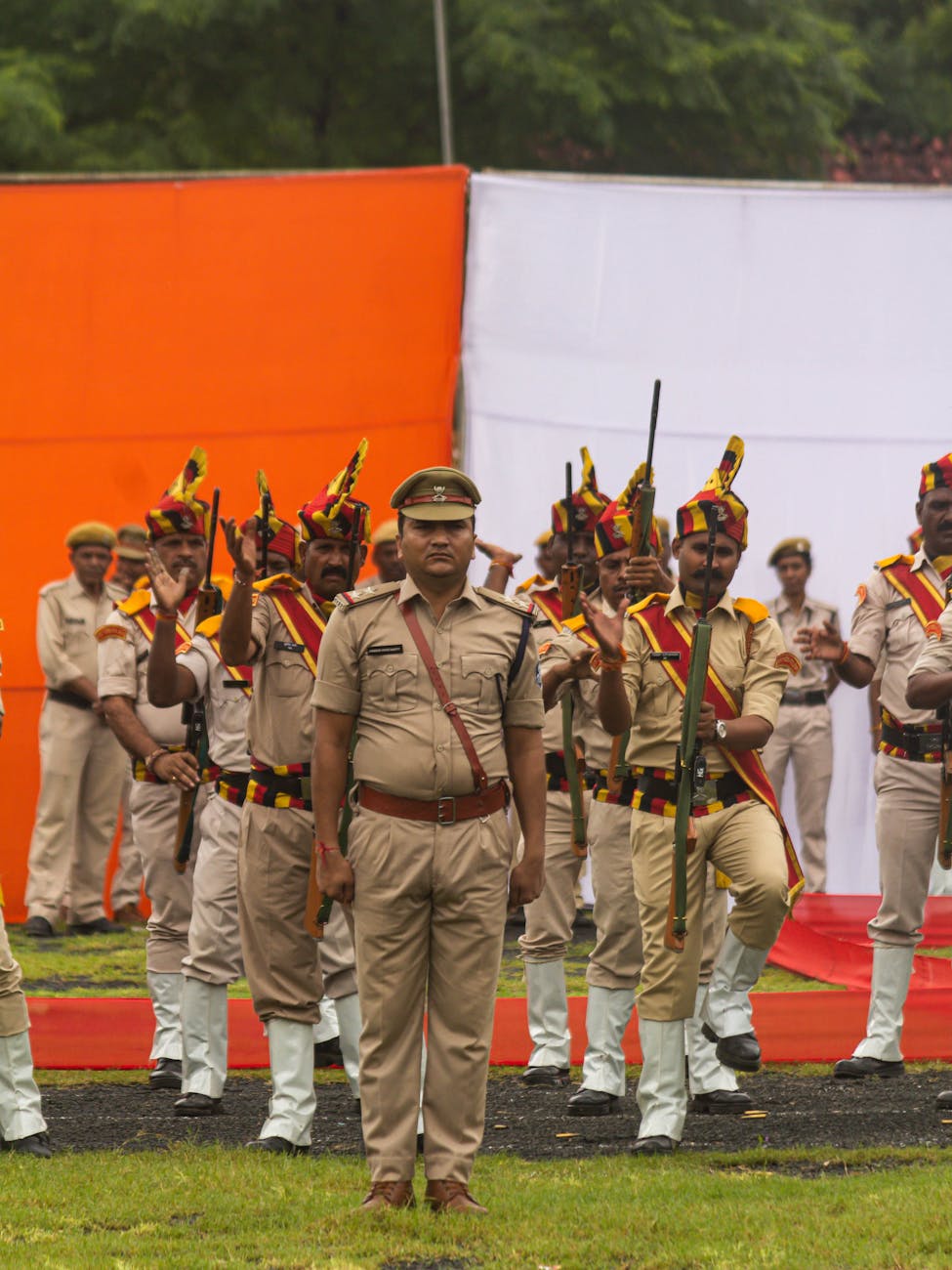
National Guard Troops Set Foot in Chicago
In a bold move, 500 National Guard troops have arrived in the Chicago area, stirring up a mix of support and resistance. These troops, drawn from units in Texas and Illinois, are now stationed at an Army Reserve facility located about an hour southwest of the city. Their presence comes at a time of heightened scrutiny and debate over the role of military forces in urban settings. This deployment is significant, not just for the numbers involved but for what it represents in the larger context of civil-military relations.
Background of the Deployment
This deployment is not just a routine exercise; it’s a response to escalating concerns within the region. The National Guard has been activated for various reasons, often linked to domestic unrest or emergencies that local law enforcement may struggle to manage alone. The recent surge in violence and public disorder in some neighborhoods has prompted calls for additional support. However, the decision to send in troops is always a contentious one. It raises questions about the balance of power between state governance and federal authority, particularly when the state’s top executive expresses opposition.
Governor’s Resistance
Illinois Governor J.B. Pritzker has voiced his objections to the deployment, arguing that sending in the National Guard might escalate tensions rather than alleviate them. His administration is concerned that the military presence could be perceived as a heavy-handed approach to local issues, potentially alienating the very communities that need support. The governor’s stance highlights a critical aspect of governance: the delicate line between maintaining order and respecting civil liberties. Pritzker’s resistance isn’t merely a political stance; it reflects broader concerns about how military intervention can disrupt community dynamics and trust in law enforcement.
The Troops’ Role
The National Guard’s mission in the Chicago area is yet to be clearly defined, but they are likely to support local law enforcement, assist in community outreach, and maintain peace during any potential unrest. Their training equips them to handle various scenarios, from crowd control to humanitarian assistance. However, the effectiveness of their involvement will largely depend on how well they integrate with local authorities and the community at large. Clear communication between the Guard and city officials will be essential in ensuring that their presence serves the intended purpose without exacerbating existing tensions.
Public Reaction
Public opinion is split on the arrival of the National Guard. Some residents welcome the additional security, expressing relief at the thought of having trained personnel ready to respond to any disturbances. They argue that the presence of the Guard can provide a much-needed buffer against crime and violence, especially in neighborhoods that have seen significant turmoil. However, others fear that their presence could lead to an increase in conflict rather than resolution. The ongoing debate reflects broader national conversations about the militarization of police and the role of the military in civilian life.
Looking Ahead
As events unfold, it will be crucial to monitor the dynamics between the troops, local leadership, and the community at large. The National Guard’s presence will likely draw media scrutiny, and how they conduct themselves in the coming weeks will be watched closely. Will they blend into the community and build relationships, or will they be perceived as an occupying force? The answer will significantly impact public sentiment and future deployments. It’s a high-stakes situation that demands careful navigation from all parties involved.
Questions
What specific role will the National Guard play in Chicago?
How will the governor’s resistance impact the deployment?
What are local residents saying about the troops’ arrival?