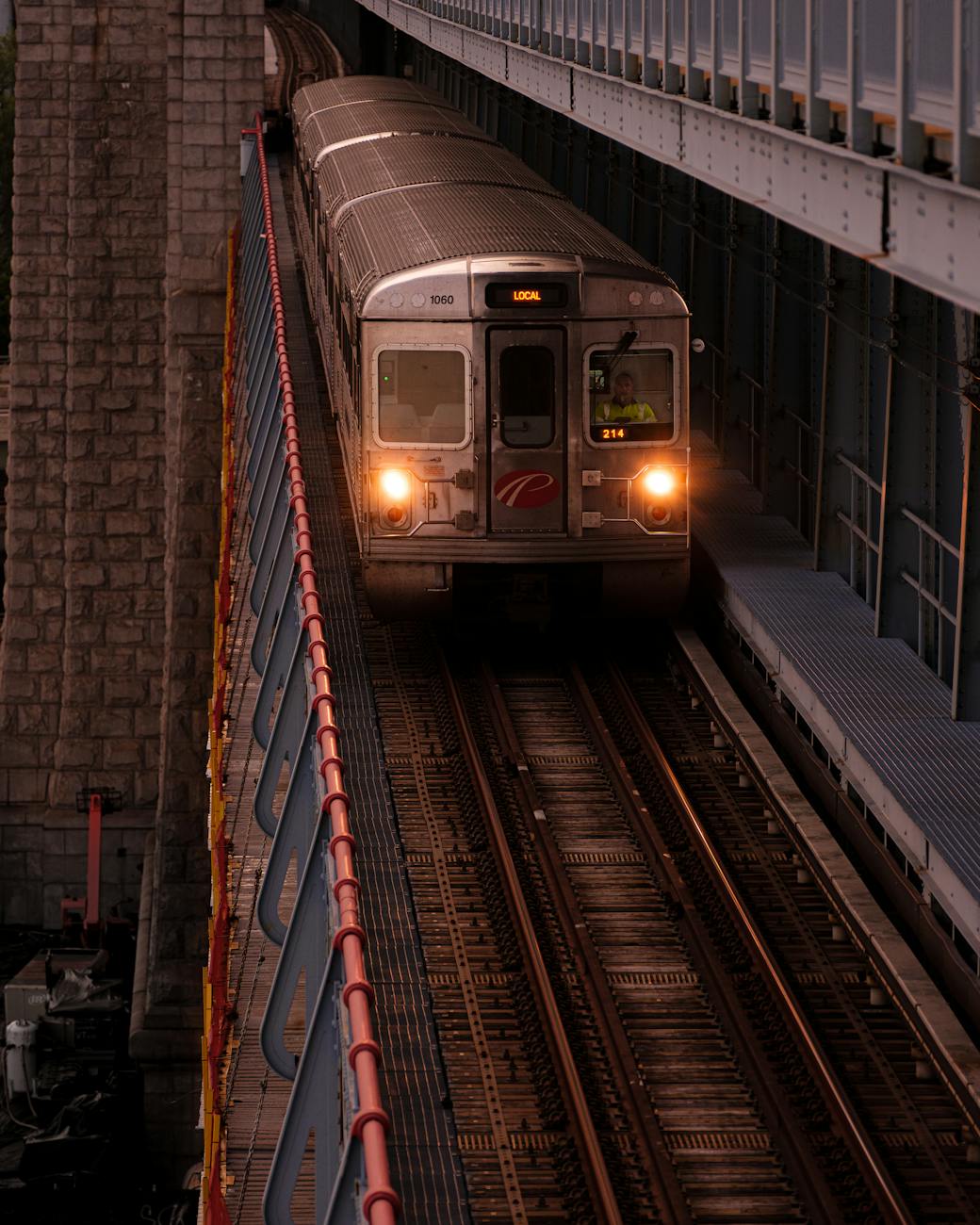
SEPTA Faces Pressure to Replace Aging Railcars
The National Transportation Safety Board (NTSB) has issued a bold call for the Southeastern Pennsylvania Transportation Authority (SEPTA) to overhaul its fleet of Silverliner IV railcars. This comes in the wake of alarming safety concerns highlighted by five separate fires involving these trains. With the Silverliner IVs accounting for more than half of SEPTA’s entire train fleet, the implications of such a recommendation are significant, not just for the agency but for the thousands of daily commuters who rely on these services.
The Risks Posed by Aging Infrastructure
The fires that have sparked the NTSB’s recommendation are not just isolated incidents; they serve as a wake-up call to the risks posed by aging infrastructure. The Silverliner IV railcars, introduced in the late 1970s, have seen better days. While they may have been state-of-the-art at the time, the reality is that they are now outdated and potentially hazardous. As public transport modes evolve, older vehicles can become liabilities that jeopardize passenger safety. The NTSB’s report highlights that these incidents could have been prevented with more modern safety mechanisms and better materials.
Commuters Demand Safety and Reliability
For the daily riders of SEPTA trains, this recommendation raises immediate questions about safety, reliability, and the future of their travel options. Commuters are understandably concerned. Will SEPTA act swiftly to replace these trains, or will they drag their feet in the wake of bureaucratic red tape? The urgency is palpable; commuters want reassurance that their safety is prioritized. The prospect of more modern, safer trains is enticing, but the transition will require time and investment. In the interim, riders are left to navigate their journeys with an unsettling uncertainty.
Moreover, the idea that an aging fleet could lead to accidents is a fear that lingers in the minds of riders every time they board a Silverliner IV. With the NTSB’s recommendation in play, SEPTA has a chance to make a definitive statement that passenger safety comes first. But how quickly can they implement these necessary changes? The clock is ticking, and every day these trains remain operational is a day that risks public safety.
Financial Considerations and Future Steps
Replacing more than half of a transportation fleet is no small task, and the financial implications cannot be ignored. SEPTA will need to consider budget constraints, funding sources, and the logistics of phasing in new trains while phasing out the old. The agency’s leadership must act decisively, weighing the costs against the potential risks of inaction. The NTSB’s recommendation is clear—it’s time for SEPTA to prioritize safety over cost-cutting measures.
Funding for such a massive overhaul could come from a variety of sources, including state and federal grants, public-private partnerships, or even fare adjustments. However, each option comes with its own set of challenges and public scrutiny. The agency will also have to develop a clear timeline for the replacement process, ensuring that commuters are kept in the loop about what to expect during the transition.
Community Impacts and Stakeholder Involvement
This situation isn’t just a matter of trains and tracks; it’s about community trust and engagement. SEPTA needs to involve stakeholders, including community organizations and advocacy groups, in discussions about the future of their fleet. Transparency is essential. Riders should be informed about the safety measures being put in place and the timelines for replacements. Only then can they feel confident that their voices are being heard and their safety is being prioritized.
Questions
What immediate steps will SEPTA take following the NTSB’s recommendation?
How will this replacement impact SEPTA’s budget and ridership?
Are there plans for interim safety measures while the trains are being replaced?