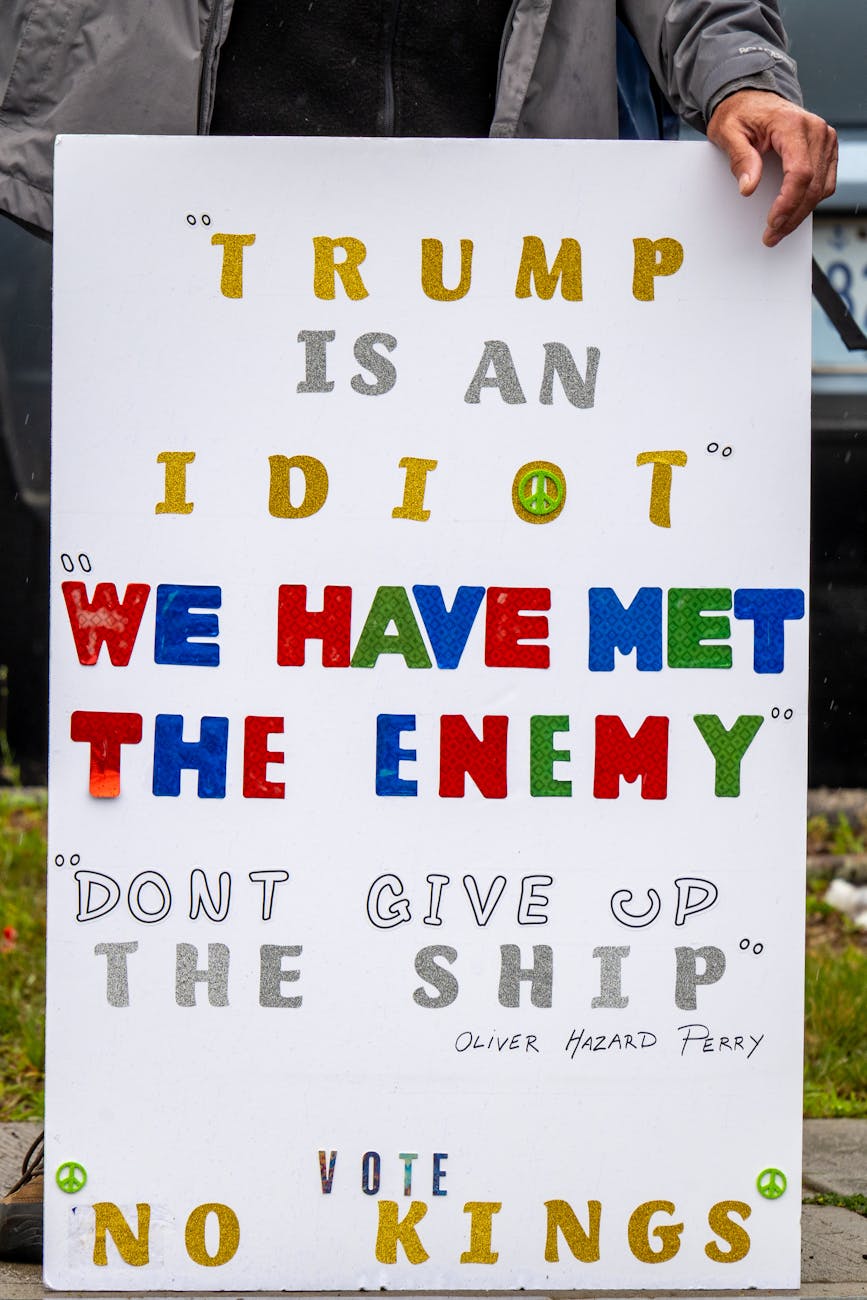
Trump’s Tough Talk on Russia
Former President Donald Trump has stirred the pot once again, this time with his comments regarding Russia and its ongoing aggressions, especially concerning Ukraine. His rhetoric suggests a potential shift in how the United States might respond to Vladimir Putin’s actions. But will this tough talk translate into real, actionable policy? That’s the question on everyone’s mind. After all, when it comes to international relations, words mean little without the backing of concrete actions.
Ukraine on the Frontlines
As Russia continues to make moves that threaten the stability of Europe and the sovereignty of Ukraine, Trump’s statements bring attention to a critical issue. He emphasizes the need for a strong response to Putin’s maneuvers, particularly regarding military flights over NATO territory. It’s a clear signal that the U.S. may be drawing a line in the sand, but the question remains whether this is merely posturing or a precursor to meaningful action.
Ukraine is not just a distant conflict; it’s a battleground where democracy, sovereignty, and international law are being tested. The U.S. has historically played a significant role in supporting Ukraine, but there’s a growing concern that without a more definitive stance, Ukraine could find itself increasingly isolated. Trump’s call for a firmer policy could galvanize support among allies and serve as a rallying cry for those who understand the stakes involved.
NATO’s Role in the Equation
The North Atlantic Treaty Organization (NATO) has long been the bulwark against potential Russian aggression. However, the organization’s response to threats has sometimes been sluggish. Trump’s insistence on a more robust stance against Russian flights and incursions into NATO airspace could push member states to reconsider their strategies. The alliance’s unity and readiness to respond to Russian provocations may be put to the test.
NATO’s collective defense principle is designed to deter aggressors, but it requires all member states to commit fully. As Trump’s comments resonate, there’s a possibility that NATO could take a more united front against Russia. This could involve increased military presence in Eastern Europe or more joint exercises aimed at showcasing strength. However, the effectiveness of such measures hinges on the willingness of member states to act decisively.
The Stakes Are High
The implications of Trump’s comments are profound. If the former president is serious about confronting Russia, it could lead to a reevaluation of U.S. foreign policy in Eastern Europe. Allies will be watching closely to see if Trump’s bold statements lead to a collaborative effort to deter future aggressions. The stakes are high, and the world is paying attention. The potential for conflict is real, and the balance of power in Europe hangs in the balance.
Moreover, the ramifications of inaction could be dire. If Putin perceives weakness, he may escalate his actions, potentially leading to broader conflicts. The last thing anyone wants is a miscalculation that leads to a military confrontation. Thus, the international community must tread carefully while also preparing for any eventualities that may arise.
What Comes Next?
As tensions continue to escalate in Eastern Europe, the international community is left wondering what the next steps will be. Will Trump’s rhetoric inspire a more assertive U.S. foreign policy? Or will it fizzle out into mere words without substance? The reality is that the situation is fluid, and decisive action may be required sooner rather than later. The time for empty promises is over; what is needed now is a clear strategy that prioritizes diplomatic engagement while also preparing for the worst.
In the coming weeks and months, watch for signs of whether this tough talk leads to tangible changes in military posturing or diplomatic efforts. The world needs clarity on how the U.S. will engage with Russia moving forward, and whether allies will rally behind a common cause. The answers to these questions could shape international relations for years to come.
Questions
What specific actions should the U.S. take to deter Russia?
How can NATO strengthen its response to threats from Russia?
Is tough rhetoric enough to influence Putin’s decisions?