

Bronx NYCHA Building Faces Partial Collapse as Heat Season Begins
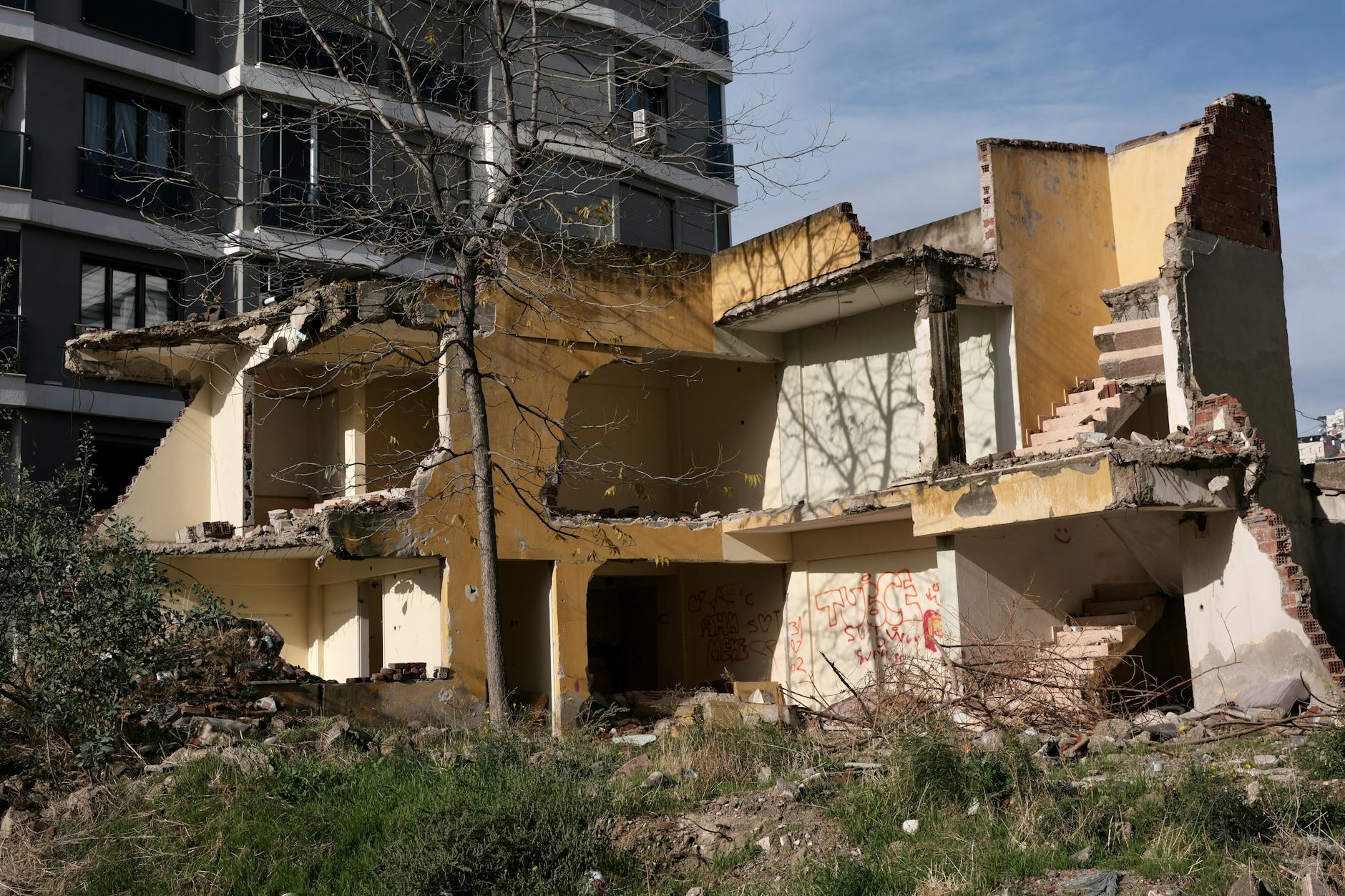
A Bronx NYCHA building is in the spotlight following a partial collapse that marks the onset of the heat season. Eyewitnesses reported a loud explosion, which led to a significant portion of the 20-story chimney coming down. Fortunately, no injuries have been reported, but the incident raises serious concerns about safety in public housing. The unexpected collapse has left many residents rattled, questioning what other issues might be lurking behind the walls of their homes.
Focus on the Boiler Room
Investigators are now zeroing in on the boiler room as the potential source of the explosion. This area is critical, especially as temperatures drop and heating systems are put to the test. The boiler room’s condition and maintenance practices will be scrutinized to ensure that this kind of dangerous incident doesn’t happen again. Residents rely heavily on these systems to keep warm during the winter months, and the last thing they need is to worry about whether their heating will function properly.
The collapse serves as a stark reminder of the aging infrastructure that plagues many NYCHA buildings. In this case, it’s not just about bricks and mortar; it’s about the lives of people who call these places home. As winter approaches, the community is already bracing for the cold, and incidents like this only heighten the urgency for reliable heating systems. If the boiler room is indeed found to be the culprit, it could indicate larger issues with maintenance and oversight across NYCHA properties.
Residents’ Concerns About Safety
The collapse has sent shockwaves through the local community. Many residents are voicing their concerns about the general state of their living conditions. They are tired of waiting for overdue repairs and improvements that have been promised but often delayed. The incident has sparked a renewed call for improved inspections and maintenance of NYCHA properties. Residents deserve to feel safe in their homes, particularly when they rely on these systems to keep warm during the winter months.
In conversations throughout the neighborhood, people are expressing frustration over the lack of communication from NYCHA regarding safety protocols and emergency procedures. “We shouldn’t have to live in fear,” one resident stated. “Every winter, it feels like we’re just waiting for something bad to happen.” The fear isn’t unfounded; many residents have experienced heating failures in the past, leaving them shivering in their own homes. This incident only amplifies those fears and dissatisfaction with the current state of affairs.
The Broader Implications for Public Housing
This incident isn’t just an isolated event; it highlights systemic issues within public housing that need urgent attention. Aging infrastructure, inadequate funding, and neglect have created a perfect storm for disasters like this one. The Bronx has long been a battleground for housing rights, and this event could be a catalyst for change—or yet another example of bureaucratic inertia. The community is watching closely to see if this sparks real action or if it will be swept under the rug like so many other issues before it.
Advocacy groups are already mobilizing, demanding that city officials take a hard look at the conditions of NYCHA buildings. The time for excuses is over; residents are fed up with promises of repairs that never materialize. “We need accountability,” said a local activist. “This is our home, and we have the right to live in a safe environment.” The voices of the community are growing louder, and they are determined to be heard.
What Happens Next?
The next steps are critical. As investigations unfold, residents and city officials alike will be looking for accountability and solutions. Will this incident prompt NYCHA to make the necessary changes to prevent future incidents? And how will the community’s voice be amplified in the wake of such a blatant disregard for safety? The pressure is mounting for NYCHA to not just address this incident but to reevaluate their entire approach to maintenance and safety in public housing.
In the coming weeks, the community will likely push for public forums where residents can express their concerns and demand action. The hope is that this will not only serve as a wake-up call for NYCHA but also spark a broader conversation about the state of public housing across the city. The time for change is long overdue, and the residents of the Bronx are ready to take a stand.
Questions
What safety measures do you think should be prioritized in NYCHA buildings?
How can residents better advocate for improvements in their housing conditions?