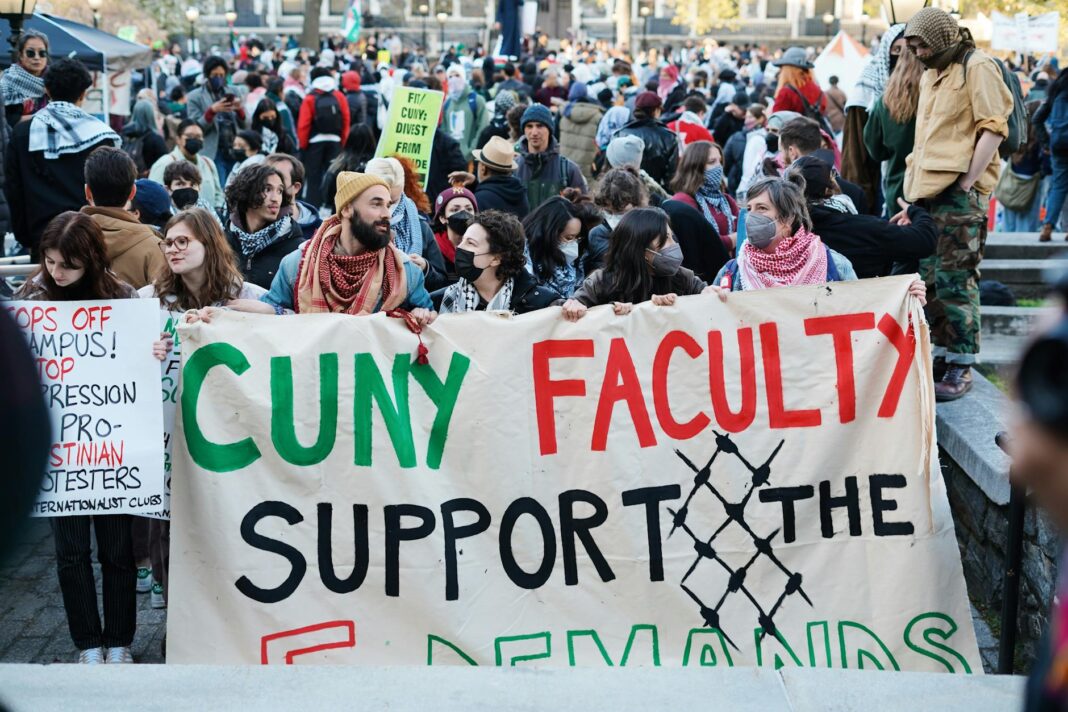
Understanding the Compact for Academic Excellence
Imagine a prestigious institution like the University of Pennsylvania, known for its academic rigor and independence, suddenly tethered to the whims of federal funding. The Compact for Academic Excellence in Higher Education, touted by the Trump administration, is a proposal that could reshape the landscape of higher education, and not necessarily for the better. While the allure of federal funds might be tempting, the strings attached could threaten the very essence of what makes Penn, well, Penn.
The Dangers of Compromise
Signing onto the Compact isn’t just signing a check; it’s a compromise that could drastically alter the university’s governance and future direction. By accepting federal funding under this compact, Penn risks losing its autonomy in decision-making matters that directly affect its students, faculty, and overall mission. Independence is a hard-won status, one that enables institutions to pursue research, uphold academic standards, and foster an environment of free thought without external interference. Once that independence is compromised, it may never fully return.
What Independence Means for Academic Freedom
Academic freedom is a cornerstone of higher education. It allows institutions to challenge norms, innovate, and engage in critical discourse. When federal funding comes into play, there’s often an implicit expectation for compliance with certain ideological frameworks or policies. This can lead to the chilling of free speech and a homogenization of thought, where dissenting voices are sidelined in favor of a more palatable narrative. For an institution like Penn, which thrives on diverse perspectives and rigorous debate, this could be a disaster.
Financial Stability vs. Ethical Responsibility
While it’s easy to argue for the financial stability that federal funding can provide, it’s crucial to weigh that against the ethical responsibility to maintain an independent academic environment. Universities must ask themselves whether they are willing to sacrifice their core values for short-term financial gain. The long-term consequences of such a decision could affect generations of students, faculty, and the broader community. It’s a precarious balancing act, one that requires careful consideration and a commitment to what higher education should stand for.
Conclusion
In a world where funding often comes with conditions, it’s vital that institutions like the University of Pennsylvania remain vigilant in protecting their independence. The cost of federal funding may be too high if it means losing the very values that define quality higher education. The stakes are high, and the future of academic excellence hangs in the balance.
Questions
What are the potential implications of losing academic independence?
How can universities balance financial needs with ethical considerations?
What role should federal funding play in higher education today?