
HomeRecentPolitical Leaders Tackle Security...

Political Leaders Tackle Security Fears Amid Rising Violence

Shifting Strategies in Political Engagement

In the wake of recent violence, political leaders are grappling with heightened security concerns that have dramatically altered their public engagement strategies. The assassination of conservative activist Charlie Kirk has sent shockwaves through political circles, prompting many to rethink their safety protocols. The fear of becoming targets has led to a noticeable shift in how leaders approach public appearances, with some opting to cancel events altogether. This is not merely a reaction to a singular incident; it reflects a broader trend of increasing violence that has permeated political discourse.

Public Appearances Under Siege

The once vibrant scene of politicians engaging with constituents has turned into a cautious landscape, where fear often trumps the desire for connection. In an era where divisive rhetoric is commonplace, leaders are increasingly aware that their visibility can make them vulnerable. The cancellation of public appearances is not just a precaution; it’s a stark reminder of the changing nature of political discourse in a climate ripe with hostility. Some leaders are prioritizing their safety over their responsibilities to engage directly with the public, creating a disconnect that could have long-term implications for democracy.

Moreover, the implications of this trend go beyond individual leaders. Constituents may begin to feel that their voices are no longer being heard, as the gaps in communication widen. Without face-to-face interactions, the opportunity for authentic dialogue diminishes, and the electorate may become disillusioned with the political process. As leaders retreat to the safety of closed-door meetings or virtual town halls, the vibrancy of grassroots activism could wane, leading to a less engaged and informed public.

The Role of Law Enforcement

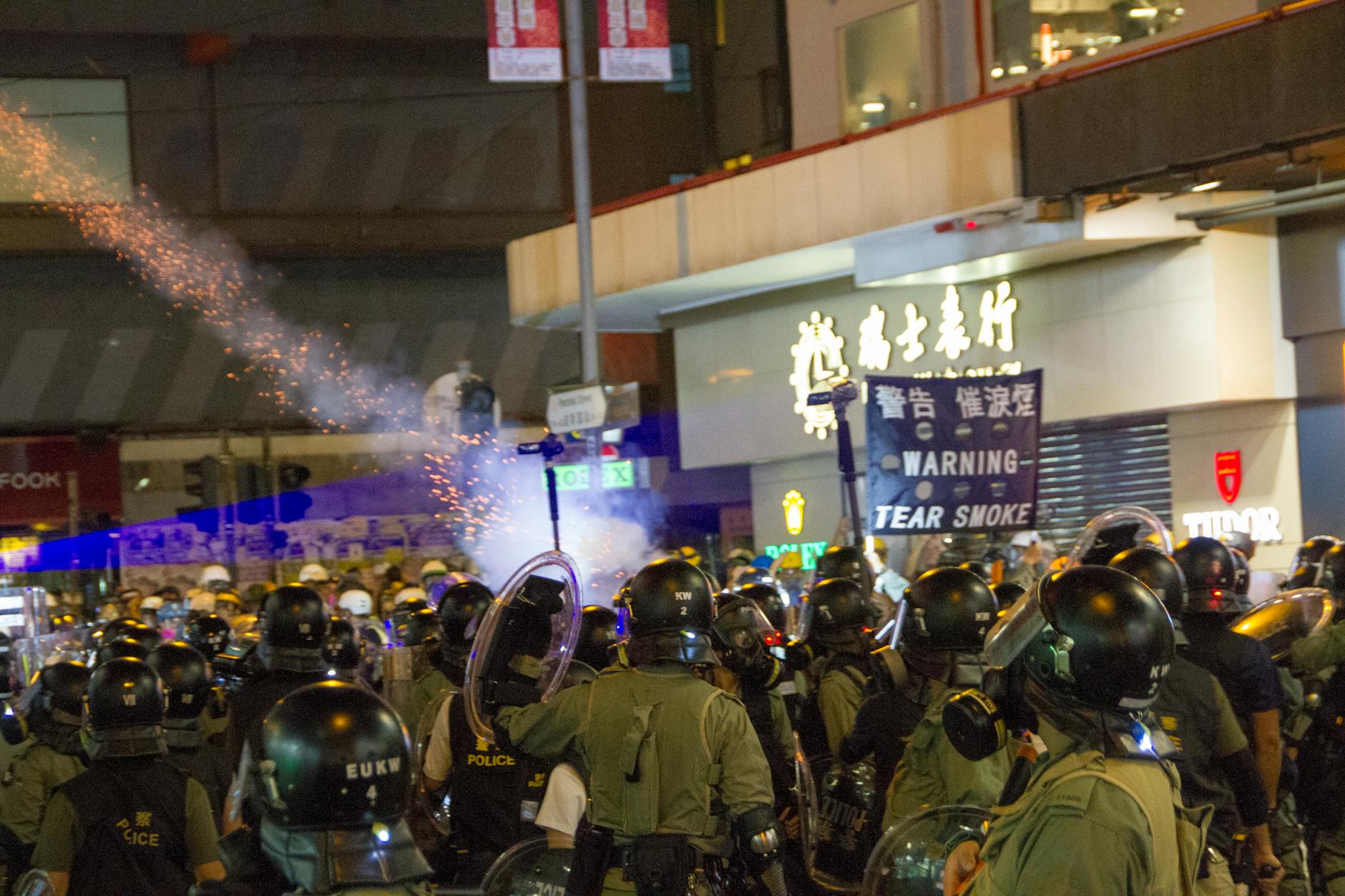
For those who choose to maintain their public profiles, the presence of law enforcement has become a non-negotiable aspect of their events. Increased police presence serves as both a deterrent against potential attacks and a reassurance for anxious constituents. Yet, relying heavily on law enforcement raises questions about the accessibility of political leaders and the atmosphere of fear that looms over public discourse. While security measures are necessary, they also risk alienating citizens who feel that their representatives are no longer approachable.

This reliance on security forces can also create a paradox. As leaders become more insulated by guards and barriers, they may inadvertently send a message that they are disconnected from the very people they represent. This could cultivate an “us vs. them” mentality, where constituents feel like outsiders rather than active participants in governance. The essence of democracy hinges on the idea of representation and accountability, and excessive security measures could undermine that foundational principle.

Long-Term Effects on Political Engagement

The blending of politics and security is not just a temporary reaction; it hints at a longer-term transformation in how leaders communicate with their audiences. As political landscapes become more fraught with tension, the traditional town hall meeting or open forum may become relics of the past. Leaders might find themselves retreating into more controlled environments, effectively silencing the voices of constituents who crave direct interaction. This shift could have severe repercussions for the democratic process, as the barriers between elected officials and the public continue to rise.

Furthermore, this shift in how political engagement is conducted could lead to a detachment from the issues that matter most to the electorate. When leaders are less accessible, they may lose touch with the realities faced by their constituents, leading to policies that are out of sync with public needs. The potential for public outrage grows when citizens feel ignored or misunderstood, which can further escalate tensions and lead to a cycle of conflict.

Ultimately, the challenge for political leaders is to navigate these treacherous waters without sacrificing the core tenets of democracy—transparency, accountability, and accessibility. The solution may lie in innovative approaches that prioritize both safety and engagement, such as moderated forums or community-led events that incorporate security while fostering open dialogue.

Questions

How can political leaders balance security with public engagement effectively?

What are the potential consequences of leaders canceling public appearances?

Will increased security measures deter or encourage political participation among constituents?

- A word from our sponsors -

Most Popular

LEAVE A REPLY

Please enter your comment!
Please enter your name here

More from Author

Epstein Files Unveiled: Michigan Camp Link Raises Eyebrows and Questions

The recent release of files by the Department of Justice related...

Pantry Check: Your Favorite Dressings Might Be Dressing You Down

Looks like it's time to take a good hard look at...

Americans’ Health on the Chopping Block While Billionaires Chase Immortality

The U.S. healthcare system is a mess, and it’s about to...

Ducks and Red Raiders Face Off—But Who Really Cares?

Well, here we are. The College Football Playoff quarterfinals are upon...

- A word from our sponsors -

Read Now

Epstein Files Unveiled: Michigan Camp Link Raises Eyebrows and Questions

The recent release of files by the Department of Justice related to Jeffrey Epstein's sordid past is nothing short of a media circus. Among the revelations, a lawsuit claims he met his first known victim at a Michigan summer camp back in the '90s. Yeah, you read...

Pantry Check: Your Favorite Dressings Might Be Dressing You Down

Looks like it's time to take a good hard look at what's lurking in your pantry. This week, a slew of food recalls hit the news. We're talking about popular salad dressings and a variety of frozen food items that probably seemed harmless—until now. The culprit? Potential...

Americans’ Health on the Chopping Block While Billionaires Chase Immortality

The U.S. healthcare system is a mess, and it’s about to get worse. As Congress slashes access to care in favor of tax cuts for the wealthy, poor Americans are dying earlier than ever. This isn’t just a crisis; it’s a scandal. What does it say when...

Ducks and Red Raiders Face Off—But Who Really Cares?

Well, here we are. The College Football Playoff quarterfinals are upon us, and the Oregon Ducks are set to clash with the Texas Tech Red Raiders in the Orange Bowl. Miami’s got the sun, the glitz, and now this game on its calendar. But let’s get real...

Georgia Tech’s Trio Hits 20 as They Dominate Lafayette – But at What Cost?

The scoreboard was lit up like a Christmas tree on Saturday night, but let’s not kid ourselves. Georgia Tech’s 95-81 victory over Lafayette isn’t going to do much to change the narrative around this team. Sure, Lamar Washington dropped 20 points along with 10 assists and three...

Quiche Recall: Another Reminder That Not All Imports Are Safe

So, here we go again. The USDA has decided to recall Maître Saladier Lorraine Quiche products featuring pork because they were brought into the country without the necessary inspection. You’d think by now that importers would get the memo about food safety, right? But here we are. This...

Cutting Middle Managers? That’s Just Short-Sighted Thinking

Judd Antin, a former leader at Meta and Airbnb, has a message that should resonate loud and clear in the boardrooms of Big Tech: don't slash jobs among middle managers. Simple, right? But here we're, knee-deep in the so-called "Great Flattening," where many companies think trimming the...

Tech Giants Fuel China’s Surveillance State—But Who’s Paying the Price?

Nepal’s become a backdrop for a chilling trend. A staggering 150 countries are now recipients of sophisticated surveillance technology from Chinese firms. Yeah, you read that right. From the blinking cameras in Vietnam to firewalls stifling freedom in Pakistan, and even full monitoring systems blanketing cities in...

Starbucks Turns to Amazon Vet for Tech Revamp – But Will It Brew Success?

Starbucks is shaking things up again. They've brought in Anand Varadarajan, a longtime Amazon executive, as their new chief technology officer. You know, the guy who was knee-deep in grocery and supply chain tech at the e-commerce juggernaut. Now, as the coffee chain tries to modernize how...

Boeing’s West Loop Tower Sold—What’s Really Behind the $22 Million Deal?

Another day, another notable real estate transaction. Boeing's West Loop office tower has officially changed hands, with a joint venture between Hines and New York's Stahl Organization stepping in to take the reins. They’re now the proud owners of this riverfront property, with a sale price clocking...

Nurse Skips CPR, Resident Left Without Lifesaving Help – How Does This Happen?

A nurse at Hilltop Healthcare chose to ignore a resident's explicit wishes for resuscitation and life-sustaining efforts when that individual was found unresponsive. This isn’t just a lapse in judgment – it's a glaring failure in patient care. Quite frankly, it raises serious questions about how such...

Berkshire Real Estate: A Market in Denial?

The real estate scene in the Berkshire region is looking a bit, well, questionable. Recent transactions show a mix of activity across Berkshire County in Massachusetts, Litchfield County in Connecticut, and Columbia County in New York. But let's be real here—what's driving these sales? There were a...