
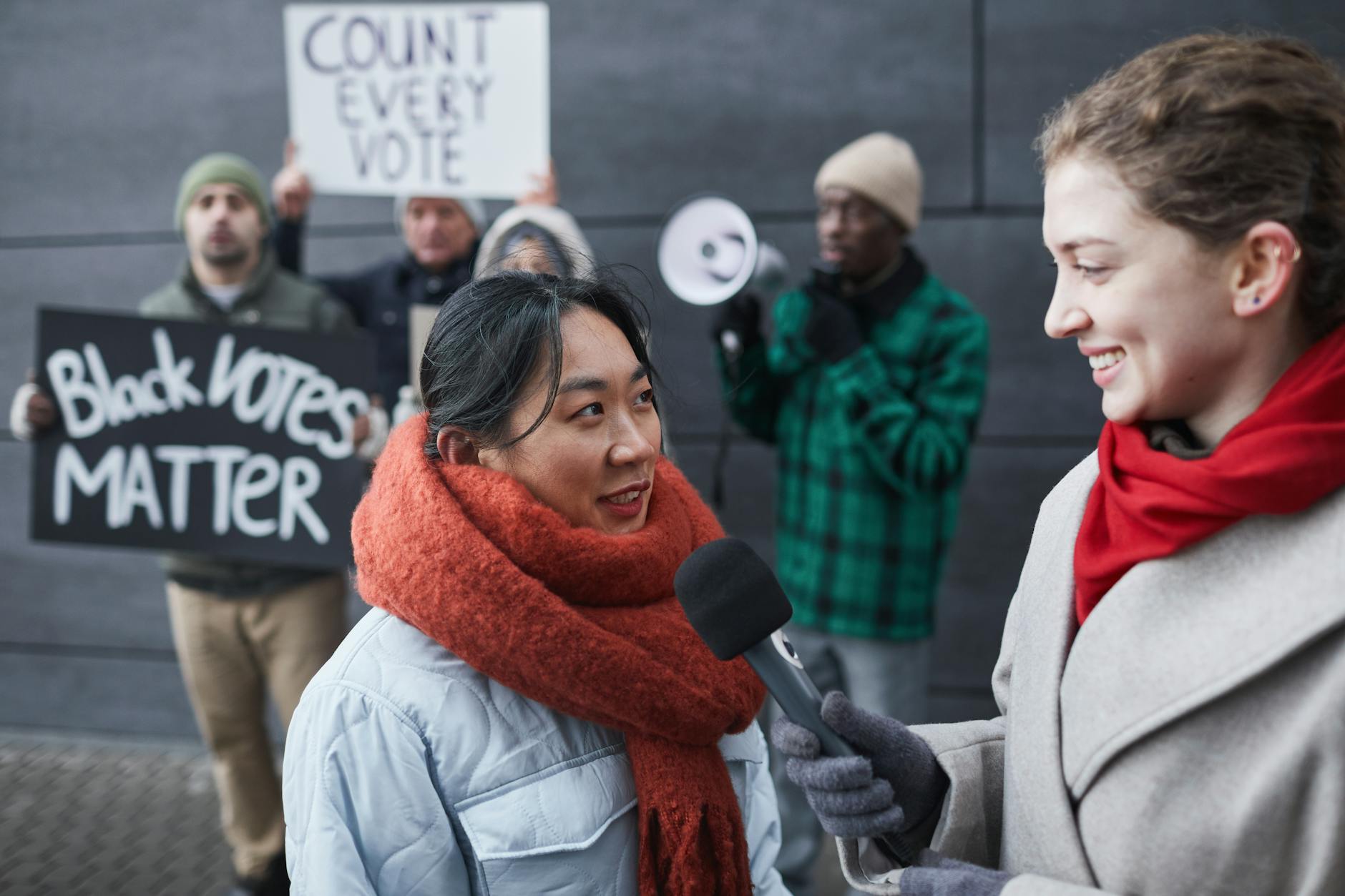

Protesters and Lawmakers Stand United Against ICE in NYC
In a bold display of civil disobedience, a group of protesters, including eleven elected officials, blocked access to a federal building in New York City to prevent Immigration and Customs Enforcement (ICE) agents from entering. This confrontation highlights growing tensions surrounding immigration enforcement and the conditions within ICE facilities, which many critics claim are inhumane. The event is not just another protest; it’s a manifestation of escalating frustrations that have been brewing within communities over the handling of immigration issues.
Rising Voices Against ICE Practices
The demonstration unfolded as activists and lawmakers gathered outside the federal building, raising concerns about the treatment of detainees in ICE facilities. Many citizens are increasingly alarmed about reports of overcrowding, inadequate medical care, and poor living conditions that detainees face. The protesters demanded transparency and accountability from ICE, insisting that lawmakers should be allowed to investigate the conditions firsthand. The demand for oversight has become a rallying cry, highlighting the need for reform in a system that many believe operates in secrecy.
Lawmakers Join the Fight
The presence of eleven lawmakers among the protesters added significant weight to the demonstration. They carried signs and chanted slogans, calling for an end to ICE’s controversial practices. Their participation signals a growing political movement against the agency’s operations, reflecting a shift in public sentiment regarding immigration enforcement. Many of these officials have been vocal about their opposition to ICE, pushing for policy changes that prioritize human rights over strict immigration control. This coalition of politicians and activists is a powerful statement that the fight for justice is not confined to the streets but extends into the halls of power.
The Scene Outside the Federal Building
As the protest escalated, tensions mounted between demonstrators and law enforcement. The area surrounding the federal building became a focal point for passionate speeches, where activists recounted personal stories of those affected by ICE’s policies. The atmosphere was charged, with chants echoing through the streets as participants expressed their outrage and solidarity with immigrant communities. The sight of lawmakers standing shoulder to shoulder with protesters sent a clear message: the fight against ICE’s practices is far from over. This unity between elected officials and grassroots activists represents a significant shift in the landscape of advocacy for immigrant rights, showing that the struggle is gaining both momentum and visibility.
Arrests and Consequences
As the demonstration continued, law enforcement moved in to disperse the crowd, resulting in several arrests, including the eleven lawmakers. The arrests highlight the lengths individuals are willing to go to stand against perceived injustices. Critics of ICE argue that these actions should not only lead to arrests but also spark a broader conversation about the future of immigration policy in the United States. The arrests serve as a reminder of the risks involved in activism, but they also galvanize supporters, fueling further resolve to challenge the status quo.
The Bigger Picture: ICE and Public Sentiment
The actions taken by the protesters and lawmakers reflect a significant shift in public sentiment regarding immigration enforcement. With increasing awareness of the conditions faced by detainees, more communities are beginning to understand the implications of ICE’s operations. The narrative is evolving from one of fear and compliance to one of resistance and accountability. Grassroots movements are more organized than ever, using social media and community outreach to rally support and amplify their message. As these protests gain traction, the question remains: will policymakers respond to this growing demand for change, or will they continue to ignore the voices calling for reform?
Questions
What do you think is the most effective way to advocate for immigration reform?
Are protests like this one impactful in changing public policy?
How can lawmakers balance their duties with activism on critical issues?