
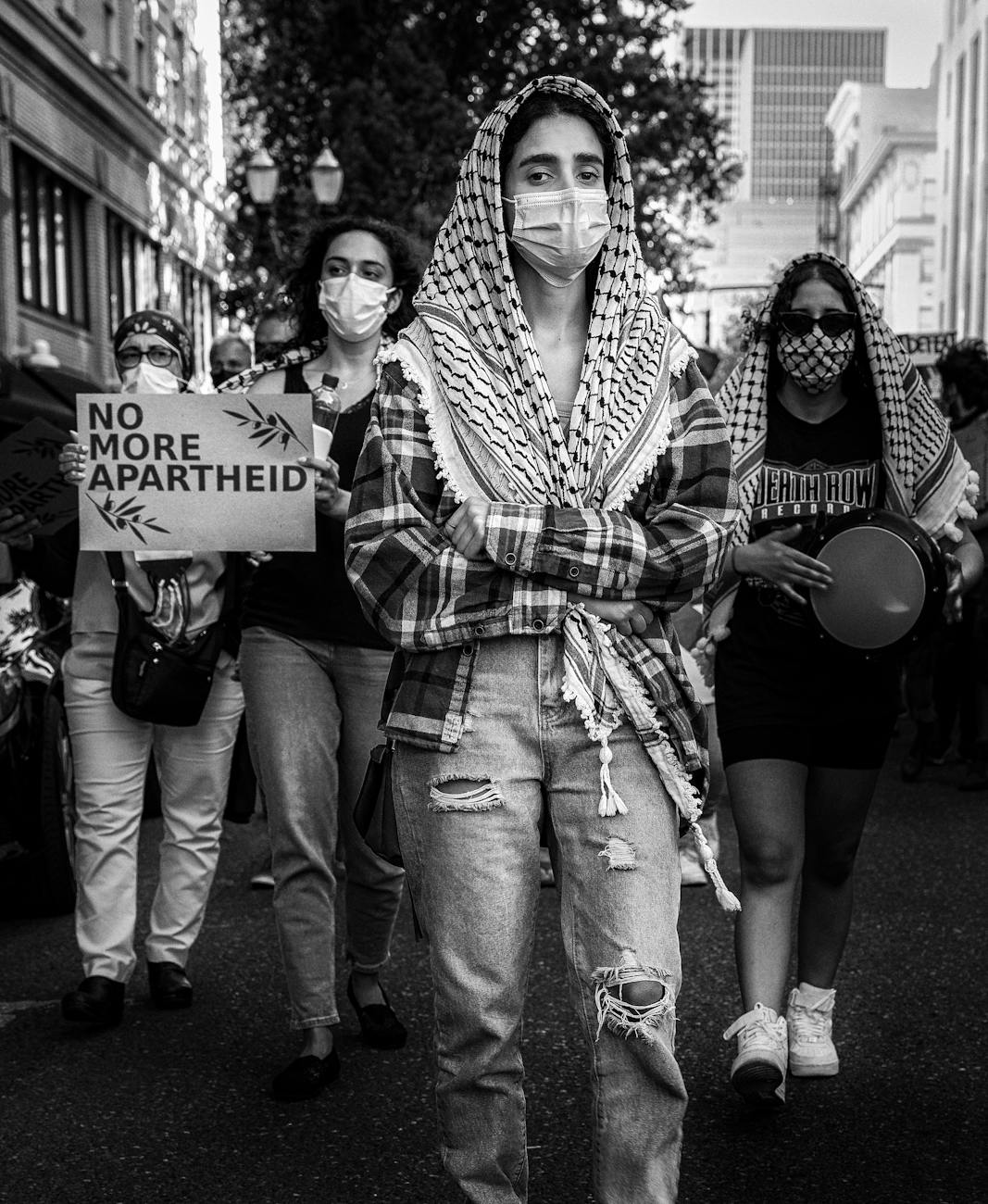

Protesters Rally in Portland Against National Guard Deployment
In a fervent display of discontent, hundreds of protesters gathered in Portland to voice their opposition to the recent deployment of the National Guard in the state. With chants echoing through the streets, demonstrators made it clear that they believe this move by the Trump administration is a direct affront to the community’s values. The rally was not just about opposing a military presence; it represented a broader pushback against what many attendees described as an overreach of federal authority.
Voices of the People
The atmosphere was charged, filled with passionate speeches, signs waving high, and a palpable sense of urgency among the crowd. Participants were united under the banner of local identity, emphasizing that their vision for Oregon diverges sharply from the federal government’s. “This is what Oregon looks like,” one activist shouted into the microphone, highlighting the diversity and resilience of the Portland community. This gathering wasn’t just about political disagreement; it was a celebration of local culture, inclusivity, and the right to protest against perceived injustices.
What Sparked the Outcry?
The decision to deploy the National Guard was met with immediate backlash, as many residents fear it will lead to increased militarization of their neighborhoods. Critics of the deployment argue that it exacerbates tensions rather than alleviating them. The National Guard’s presence is often associated with civil unrest and heavy-handed policing, something many Portlanders are not willing to accept. The protesters are demanding transparency and accountability, insisting that such measures only serve to deepen divides instead of fostering safety and security.
A Community’s Response
Portland has a long history of activism, and this protest adds to a legacy of standing up against authority. The event showcased the community’s strong commitment to standing against what they perceive as authoritarian tactics. With speakers representing various local organizations, the rally served as a platform for voices that are often marginalized in larger political discussions. It was evident that the protesters were not only there to oppose the National Guard’s deployment but to advocate for a more equitable and just approach to governance.
The Role of Local Activism
What stood out during the protest was the palpable sense of unity among the diverse array of individuals participating. From young students to seasoned activists, the crowd reflected Portland’s rich tapestry of voices. Many attendees shared personal stories about how they felt an increased military presence would negatively affect their neighborhoods and communities. They voiced concerns not just about their safety but about the erosion of civil liberties and community trust in law enforcement.
Local organizations played a crucial role in mobilizing protesters, using social media and grassroots outreach to ensure that the message spread far and wide. They emphasized the importance of community engagement and the need for dialogue between local authorities and residents. This is not just about opposing the National Guard; it’s about reimagining what safety and security mean in a community-centric context.
Looking Ahead: The Future of Community Relations
The implications of this protest extend beyond just one event. It raises critical questions about the relationship between local communities and federal authorities. How can local governments better address the concerns of their constituents in situations like this? The answer lies in fostering open channels of communication, listening to community voices, and being responsive to their needs.
As the protest concluded, many participants felt invigorated and empowered. They left with a sense of purpose, knowing that their voices matter and that change is possible when communities come together. The question remains: will local and federal authorities heed these calls for change, or will tensions continue to rise? Only time will tell, but one thing is clear: the spirit of Portland’s activism is alive and well.
Questions
What do you think the long-term impact of the National Guard’s presence will be on local communities?
How can local governments better address the concerns of their constituents in situations like this?
What role does community activism play in shaping political decisions in your area?