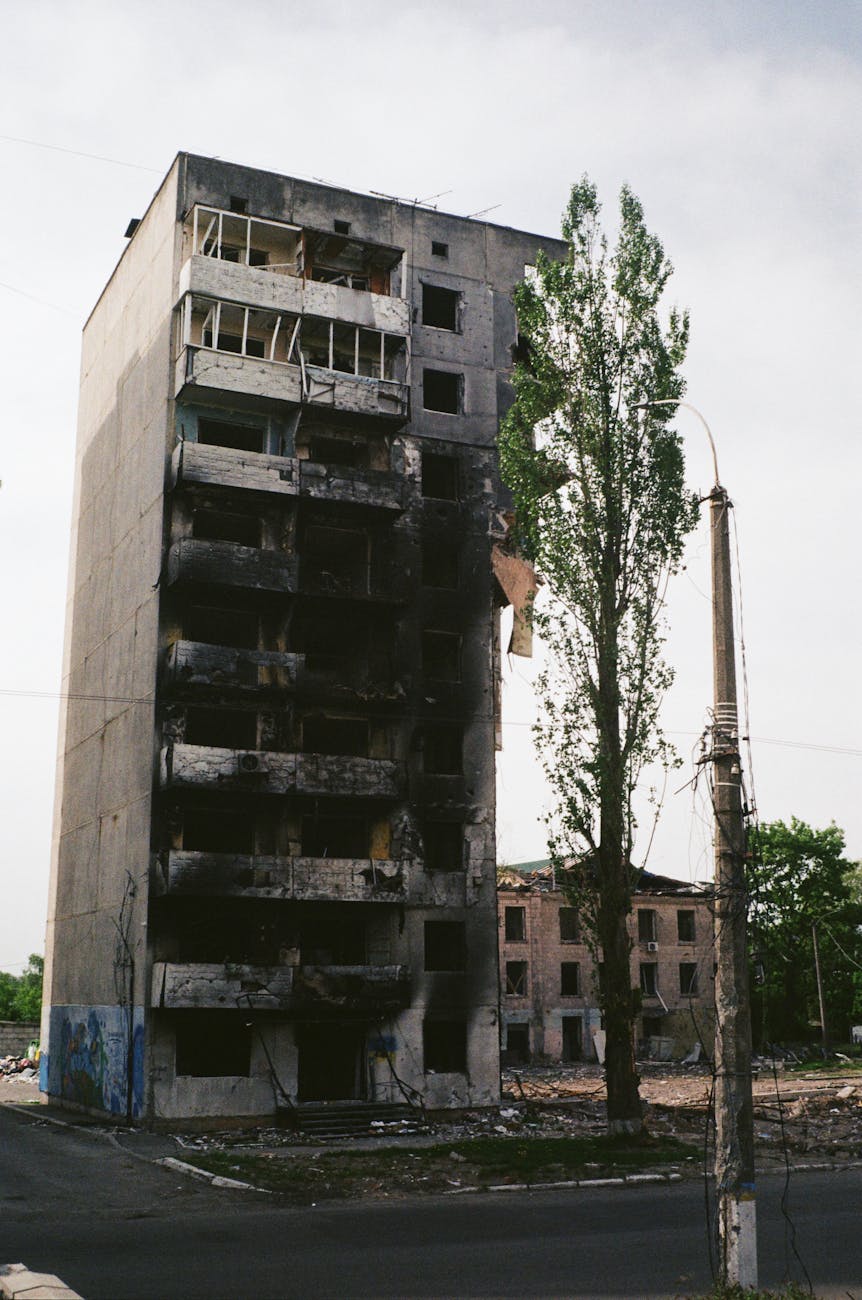
Russia’s Aggression May Expand Beyond Ukraine, Warns Zelensky
Ukrainian President Volodymyr Zelensky recently delivered a stark warning at the United Nations, emphasizing the urgent need for global action to curb Russia’s escalating aggression. According to Zelensky, Vladimir Putin is not just fixated on Ukraine; he has ambitions that reach far beyond its borders. This sentiment underscores the growing fears of a wider conflict should the international community fail to respond decisively. The warning is not an exaggeration; it’s a calculated assessment of a regime that has shown a blatant disregard for international norms and a willingness to escalate its military operations without hesitation.
Putin’s Unstoppable Drive for Expansion
As the war in Ukraine continues to rage, it becomes increasingly clear that Putin’s strategy is not merely about territorial gain but is rooted in a broader ambition to challenge the existing world order. Zelensky’s remarks serve as a clarion call, urging nations to recognize that the current state of affairs is not a localized issue but a precursor to potential global instability. The implications of a Russia that feels emboldened to act without restraint are dire, not only for Ukraine but for neighboring countries and beyond. Putin’s history of military interventions in Georgia and Crimea, combined with his recent actions, indicates a pattern that suggests he will not stop unless met with strong opposition.
The Reality of Ongoing Conflict
The conflict in Ukraine is not just about the fight for territory; it is about the principles of democracy and self-determination. Zelensky articulated the reality that if the world allows Russia to continue its aggressive tactics unchecked, it sends a message that such behavior can go unpunished. This could embolden not just Russia but other authoritarian regimes around the globe, leading to a wave of aggression that could destabilize entire regions. By turning a blind eye, nations risk inviting further incursions, which could lead to a much larger conflict that no one wants to face.
Global Responsibility to Act
Zelensky’s address at the UN is a reminder that the responsibility to act does not lie solely with Ukraine. The international community must unite to counteract the Russian threat. This is not a situation that can be resolved through passive observation; it demands active engagement. The consequences of inaction could lead to a domino effect, where other nations might also be tempted to test the waters of aggression, emboldened by the lack of a strong response. Countries must recognize that their own security is interlinked with the defense of Ukraine; a failure to act now could result in a much larger crisis down the line.
Mobilizing Support for Ukraine
As the world watches, Zelensky urges allies and neutral countries alike to stand firm against tyranny. Increasing military and humanitarian aid to Ukraine is essential to bolster its defenses and send a clear message to Russia that its aggression will not go unanswered. The stakes are high, and the time for decisive action is now. The world cannot afford to wait until the situation escalates further. Countries that have already pledged support must follow through and look for innovative ways to assist Ukraine, whether through arms supplies, financial aid, or diplomatic pressure on Russia.
Understanding the Stakes
Many nations are grappling with their own challenges, but ignoring the situation in Ukraine could lead to far greater problems down the line. The conflict is not just about one nation’s sovereignty; it’s about the principles of democracy and self-determination. If Putin is allowed to continue his aggressive tactics unchecked, it sends a message that such behavior can go unpunished, incentivizing similar actions from other authoritarian regimes. The global community must unite to create a robust framework for responding to aggression, one that makes clear the costs of military intervention are too high for any regime to bear.
Questions
What steps should the international community take to counter Russian aggression?
How can nations ensure that they are prepared for potential spillover effects from the conflict?
What role does public opinion play in shaping government responses to international crises?