Russian Fighter Jets Challenge US Airspace
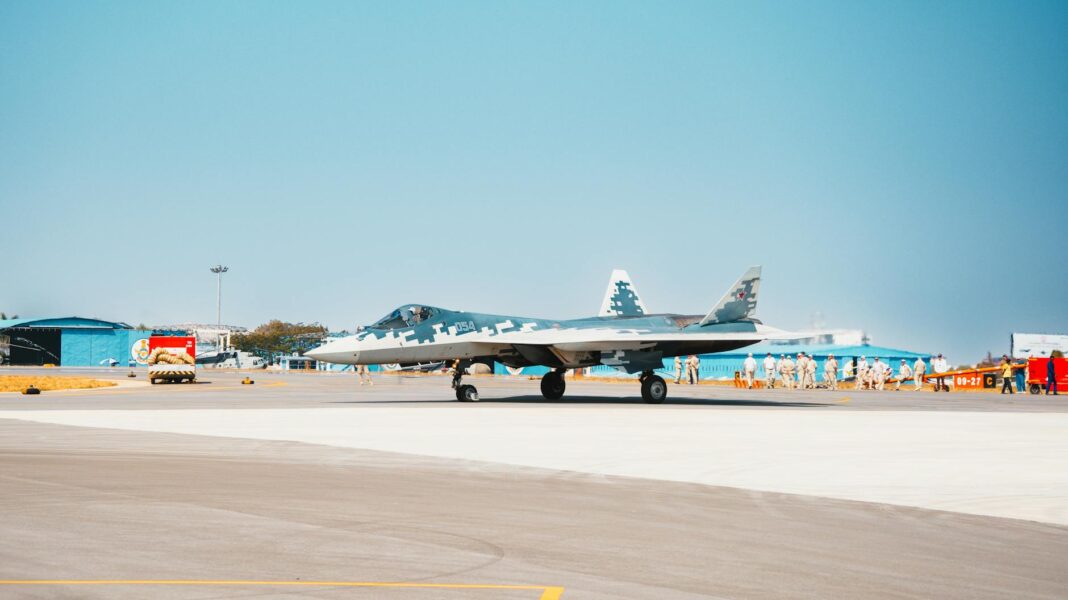
In a striking escalation of military activity, Russian fighter planes and bombers have breached the Alaskan air defense zone, sending ripples of concern through North America. This incursion marks a significant moment in the ongoing chess match of aerial dominance between the U.S. and Russia, as NORAD (North American Aerospace Defense Command) scrambles to respond to the situation. The incident underscores the rising stakes in a world where airspace sovereignty is constantly being tested.
Response from NORAD and Air Defense Forces
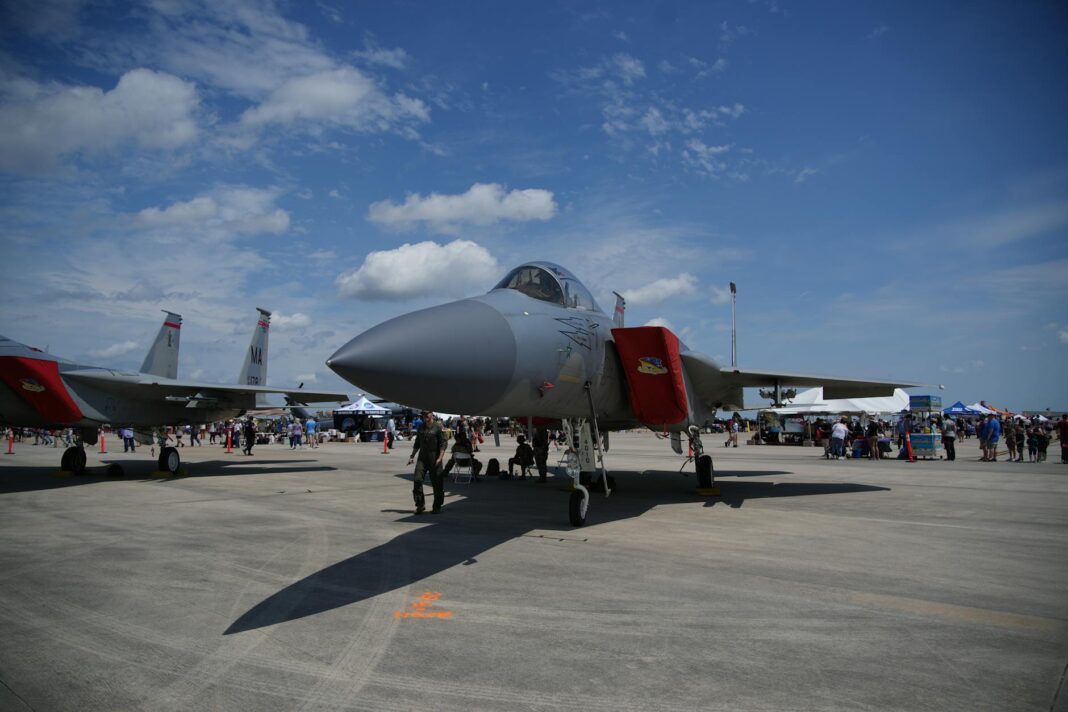
As Russian aircraft entered the defense zone, the United States and Canada quickly mobilized their own fighter jets to monitor the situation closely. The rapid deployment reflects the seriousness with which NORAD takes such incursions, especially given the escalating tensions between NATO and Russian forces in Eastern Europe. This is not the first time Russian jets have pushed the envelope; the frequency of these incursions has increased over the past few years, raising alarms among defense analysts who worry that these actions could lead to miscalculations or accidents in the air.
Upon receiving the alert, NORAD’s interceptors were launched to track the Russian aircraft and ensure the safety of North American airspace. The situation is not merely a routine response; it’s a calculated move that illustrates both the capabilities and the resolve of U.S. and Canadian defense forces. The aerial ballet of military jets is not just a display of power; it’s a precarious game of cat and mouse that could quickly spiral out of control if not managed with precision.
Europe’s Reaction to Airspace Intrusions
Meanwhile, across the Atlantic, European nations are on high alert, evaluating their own airspace security in light of these developments. The frequent incursions by Russian military aircraft have prompted a reevaluation of defense strategies among NATO allies, as they seek to bolster their readiness against potential threats. Countries like Norway and the Baltic states, which share borders with Russia, have reported increased Russian activity near their airspace, leading to a unified call for enhanced surveillance and defense measures.
This situation has not gone unnoticed by NATO’s command structure, which is working to ensure that member states are prepared for any eventuality. The alliance has ramped up joint exercises and increased its presence in Eastern Europe, demonstrating a commitment to collective defense that resonates with member nations. The message is clear: NATO will respond decisively to any aggression, and the incursions serve as a reminder of the fragile peace in the region.
The Bigger Picture: Aerial Incursions and Tensions
The recent surge in aerial incursions is not just about one nation testing another’s resolve; it’s about the broader narrative of military posturing that has come to define international relations in recent years. With geopolitical tensions simmering, these actions can be seen as provocations aimed at gauging responses from NATO and reinforcing Russia’s military presence in contested regions.
These provocations are intricately tied to a complex web of historical grievances, territorial disputes, and power dynamics. As nations jockey for position on the global stage, the airspace above becomes a critical battleground. This isn’t simply about aircraft and air defense systems; it’s a matter of national pride, strategic advantage, and the potential for conflict. The implications extend beyond mere airspace violations, as they could play a crucial role in shaping the future of military engagements and alliances.
Questions
What strategies should NATO implement to counter increased Russian incursions?
How might the U.S. and Canada enhance their air defense capabilities in response?
What are the potential consequences of continued aerial provocations in this region?