Senator Wyden’s Firm Stance Against Federal Troops
In a bold statement that reverberated through the political landscape, Senator Ron Wyden (D-Ore.) made it clear that federal troops are not welcome in Portland, Oregon. This declaration came in response to President Trump’s recent announcement of sending reinforcements to the city, ostensibly to provide protection during a time of unrest. Wyden’s message was straightforward: “Stay the hell out.” It’s a sentiment that resonates with many Portland residents who have voiced concerns over federal intervention in local affairs.
The Context of Federal Troop Deployment
The backdrop of this situation is one of heightened tension in Portland, a city that has seen its fair share of protests and unrest over the past few years. The announcement from President Trump, made on a Saturday, aimed to address rising concerns about safety and order. However, such federal actions often stir controversy, particularly among those who believe that local issues should be resolved locally, without outside interference. Wyden’s response reflects a broader apprehension about the implications of deploying federal forces in urban areas.
The Local Response to Federal Presence
Portland has been a battleground of sorts, with protests stemming from a variety of issues, including police brutality and racial injustice. Many residents fear that the presence of federal troops will exacerbate tensions rather than quell them. Past experiences have shown that such deployments can lead to escalated confrontations between law enforcement and civilians. Wyden’s resolute statement echoes the concerns of Portlanders who prioritize community-based solutions over heavy-handed federal tactics. As tensions flare during protests, the last thing many want is to see an increased military presence on their streets.
Political Repercussions and Public Sentiment
Wyden’s remarks highlight a growing rift between some Democratic leaders and the Trump administration. His call for the president to stay out of Portland isn’t just about troop presence; it’s a rallying cry for local governance and autonomy. Many Oregonians share this sentiment, feeling that their city should not be treated like a military zone. The political implications of this situation are significant. The debate is not just about law enforcement; it’s about civil liberties, community trust, and the fundamental rights of local citizens to self-govern. As such, Wyden’s statements have ignited discussions across the nation regarding the appropriate role of federal forces in cities grappling with social unrest.
The Impact on Community Relations
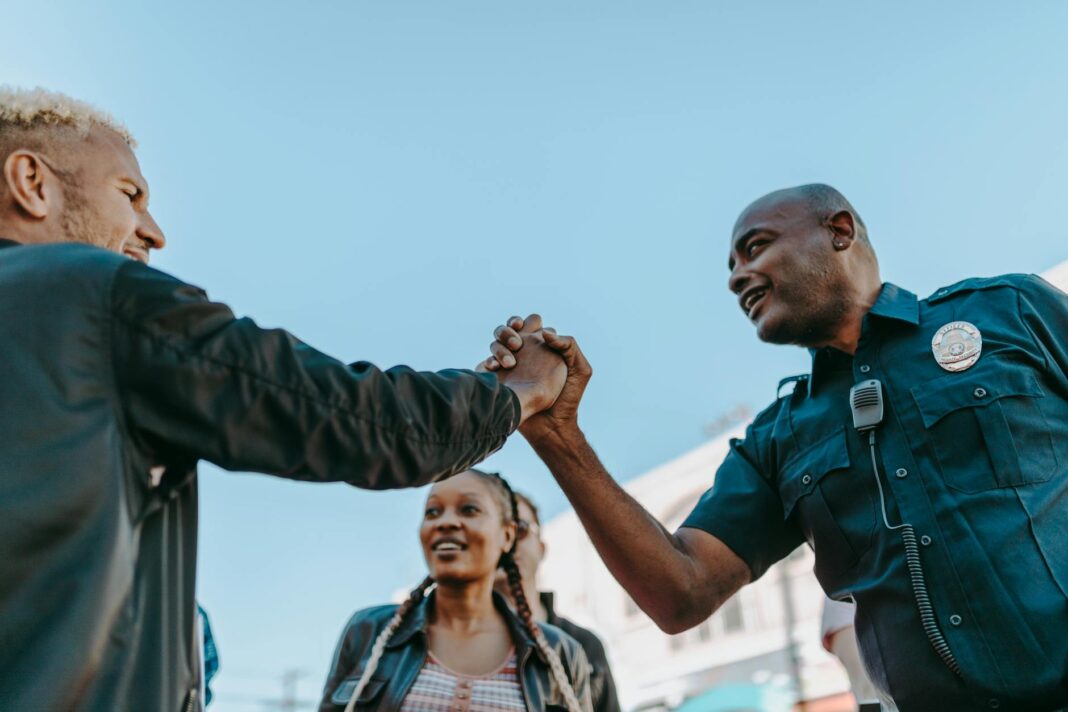
The introduction of federal troops can have a chilling effect on relationships between law enforcement and the community. Many Portlanders have already expressed distrust towards police forces, fueled by incidents of excessive force and perceived injustices. The presence of federal troops could further alienate communities already feeling marginalized. When citizens perceive that their rights and voices are being suppressed by either local or federal authorities, it can lead to a breakdown in communication and trust. The real danger lies not only in the potential for physical confrontations but in the erosion of civic dialogue.
Looking Ahead: What’s Next for Portland?
The future of Portland remains uncertain as the city grapples with the implications of federal intervention. Will the presence of troops lead to a more stable environment, or will it further inflame the situation? Wyden and others are advocating for dialogue and local solutions, pushing back against what they see as an overreach of federal power. The stakes are high, and the eyes of the nation are on Portland as it navigates this challenging landscape. Community leaders are calling for a focus on healing rather than militarization, urging the federal government to listen to the voices of those on the ground.
The Broader National Conversation
Portland’s situation isn’t isolated. It reflects a broader national conversation about the role of federal forces in local matters, particularly in times of civil unrest. The pushback against federal intervention raises questions about the balance of power and the rights of citizens to protest and express dissent. This moment could serve as a catalyst for larger discussions about police reform, civil liberties, and the relationship between communities and the federal government. As Portland moves forward, it may very well set a precedent for how similar situations are handled across the country.
Questions
What do you think the impact of federal troops in Portland will be?
How can local leaders effectively address community concerns without outside intervention?
What steps can be taken to rebuild trust between law enforcement and the community?