
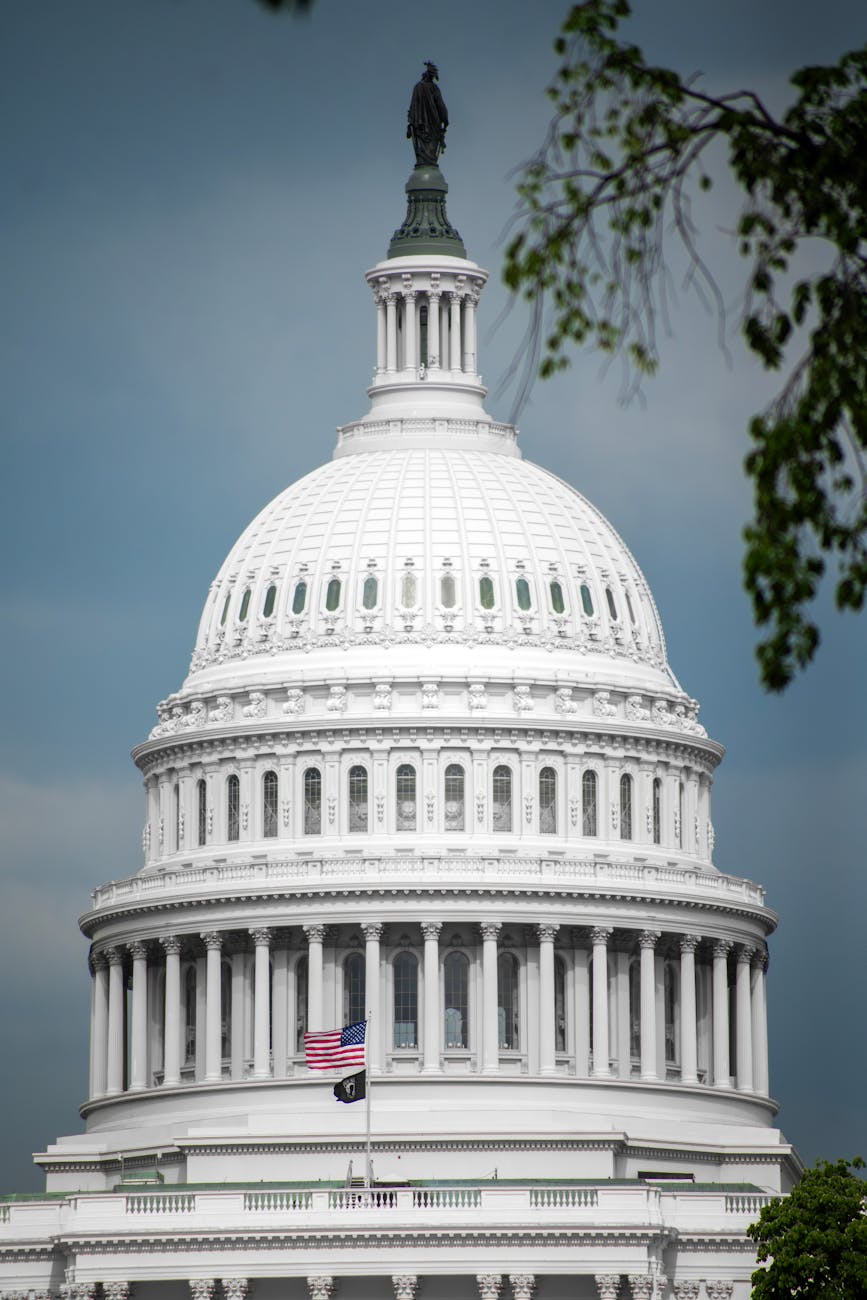

Senate Democrats Hold Their Ground Amid Shutdown Crisis
The ongoing saga of the government shutdown has taken another twist as Senate Democrats, unyielding in their stance, have once again rejected a Republican proposal aimed at reopening the government. This standoff has now dragged into its eighth day, demonstrating the deep divisions within Congress and the stubbornness of both parties to bend to external pressures.
Despite warnings and pressure from the White House, Senate Democrats are pushing forward with their agenda to extend expiring Obamacare subsidies. This move, while politically strategic, has led to a government that remains shuttered, affecting countless services and programs that depend on federal funding. The Democrats’ refusal to entertain Republican proposals suggests a willingness to play a high-stakes game, where they prioritize their legislative goals over immediate resolutions.
Political Gamesmanship or Strategic Standoff?
The Democrats’ decision to block the GOP’s bid can be seen as a calculated move. They are firmly rooted in a belief that the extension of Obamacare subsidies is non-negotiable. This stance raises questions about whether their actions are simply political gamesmanship or if they are genuinely committed to their constituents’ needs. With the government shutdown affecting millions of Americans, the stakes couldn’t be higher.
On the other side, the Republicans are left scrambling, trying to navigate the fallout of a prolonged shutdown while attempting to paint the Democrats as obstructionists. They argue that bipartisan cooperation is essential in times of crisis, yet the Democrats maintain that their priorities are aligned with the public’s health and economic security. This contention showcases the ongoing struggle for power and influence within the Senate, as both parties fight to define their narratives.
Consequences of a Prolonged Shutdown
As the days drag on, the implications of this shutdown become more severe. Federal employees are furloughed, essential services are delayed, and the overall public trust in government continues to erode. The longer the impasse lasts, the more pressure will mount on both sides to reach a compromise. However, with both parties entrenched in their positions, finding common ground appears increasingly unlikely.
In the end, this standoff highlights the deep-seated issues within American politics, where strategic victories often come at the expense of the very citizens lawmakers are supposed to serve. As the clock ticks, many are left wondering how long this shutdown can continue and what the ultimate cost will be for both parties and the American people.
Questions
What are the long-term implications of the shutdown on public services?
How might this standoff affect future bipartisan negotiations?
What strategies should each party consider to break the deadlock?