
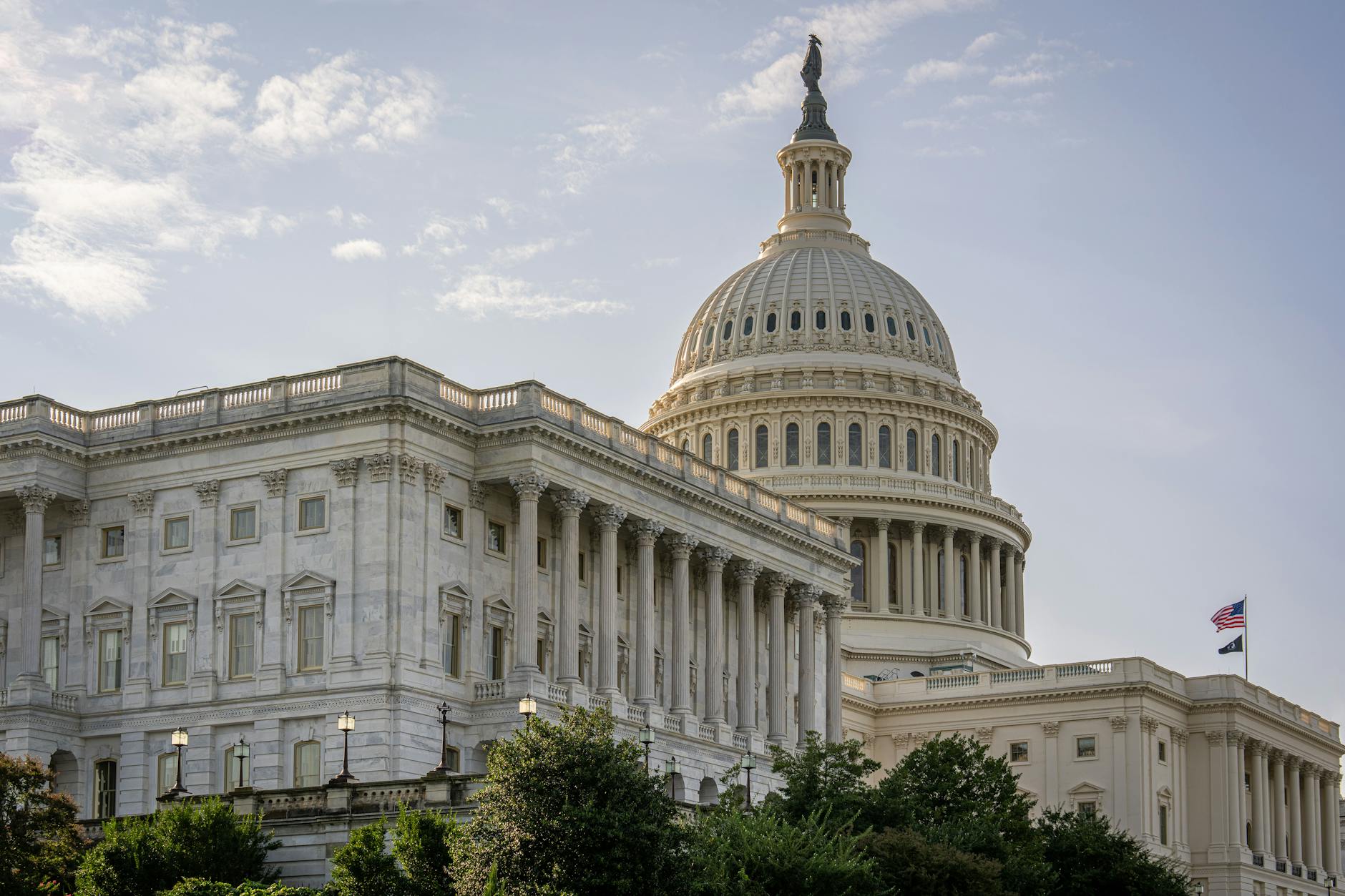

Senate Blocks House-Passed Funding Bill
The Senate has officially turned down a House-passed stopgap funding bill that aimed to reopen the federal government until November 21. This decision marks yet another chapter in the ongoing saga of budget negotiations and political maneuvering in Washington. Despite the pressing need to keep the government running, Senate Democrats united to block the bill, showcasing a significant rift within their ranks.
Democratic Divisions Surface
While the Democratic majority in the Senate voted against the funding measure, the cracks in their solidarity were evident. Several Democratic senators broke ranks with their party leader, Chuck Schumer, signaling a growing frustration among some members who are eager to find common ground and prevent a government shutdown. This internal conflict could have implications for future negotiations and the party’s overall strategy. It’s no secret that a united front is crucial in the political arena, and the apparent discontent among Democrats could weaken their negotiating power.
The Stakes of a Government Shutdown
As the specter of a government shutdown looms, the stakes couldn’t be higher. Federal agencies are bracing for the disruption that comes with halted operations, affecting millions of Americans who rely on government services. Employees may face furloughs, and vital programs could come to a standstill. The public’s patience for political gamesmanship is wearing thin, and many are calling for a more decisive approach to governance. The consequences of a shutdown can ripple through the economy, impacting everything from small businesses to national parks, and no one wants to see a repeat of past shutdowns that left a significant mark on public trust in government.
Implications for Future Legislation
The failure of this funding bill is not just an isolated incident; it reflects the broader challenges facing Congress as it grapples with budgetary issues. Lawmakers will need to find a way to bridge the divides within their parties and across the aisle if they hope to pass meaningful legislation. With the clock ticking, both parties must reassess their strategies and priorities to move forward effectively. The reality is that the more time spent in political stalemate, the less time there is to address pressing issues like infrastructure, healthcare, and education reform. The clock is ticking, and the American public is watching closely.
What Comes Next?
With the Senate’s rejection of the funding bill, the House will likely need to reevaluate its approach. Will they propose a new funding plan that can garner bipartisan support? Or are we in for more gridlock as the deadline for federal funding approaches? The negotiation landscape is shifting, and the upcoming weeks will be critical for both parties. The House may need to consider a more moderate approach, perhaps by including provisions that appeal to conservatives, to garner the necessary votes. Meanwhile, Senate Democrats must work to rally their members and present a cohesive strategy moving forward.
Lessons Learned from Political Stalemate
This situation serves as a reminder of the fragility of political alliances and the importance of compromise. As both parties face pressure from their respective bases, the challenge lies in finding middle ground that addresses the needs of the American public while also appeasing party loyalists. The history of budget negotiations shows that failure to collaborate can lead to long-term consequences for all involved, including loss of public trust and diminished legislative effectiveness.
Questions
What strategies might Senate Democrats employ to unify their party moving forward?
How will the potential government shutdown affect public opinion on Congress?
What compromises could be made to ensure future funding bills pass smoothly?