
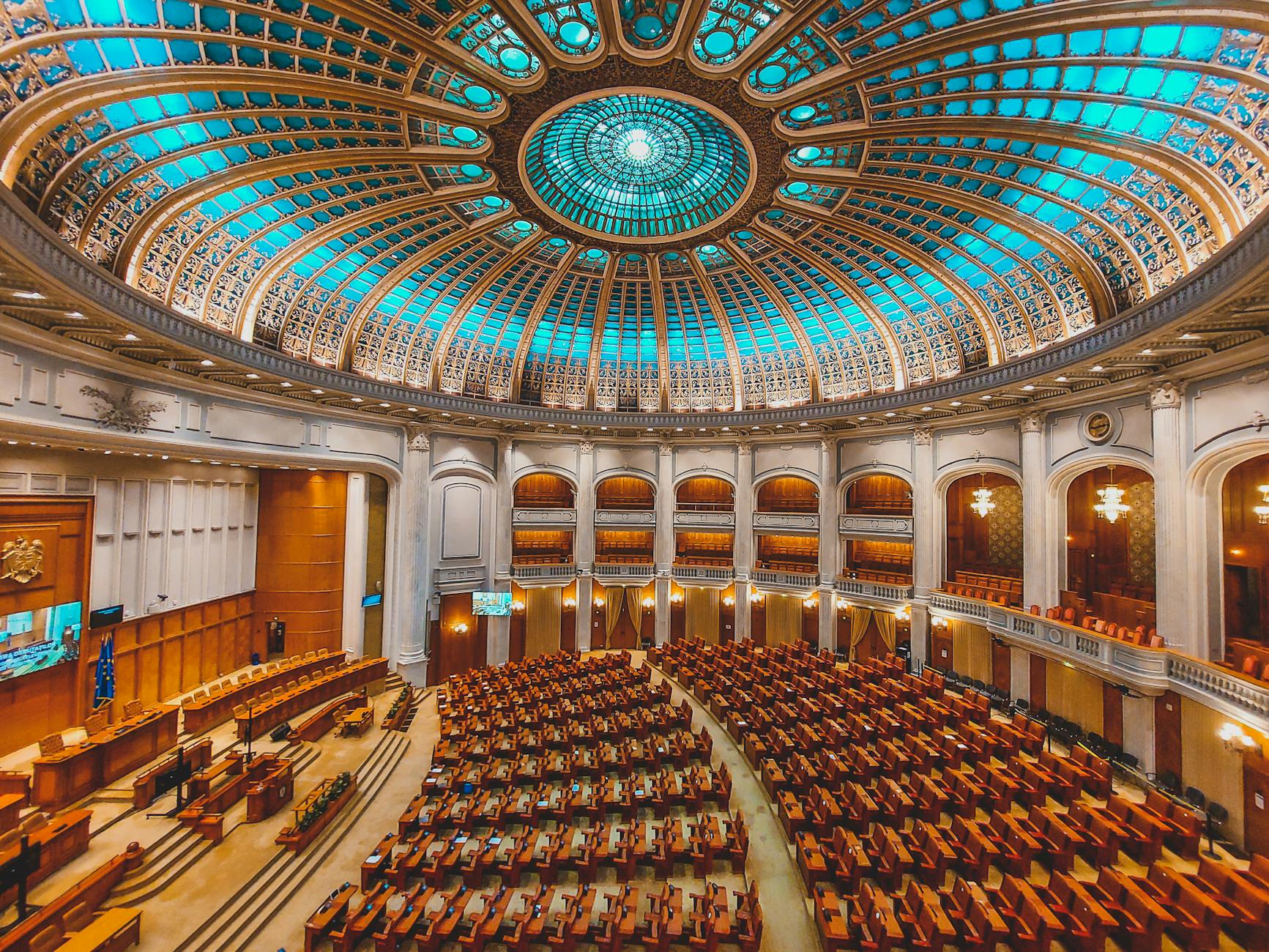

Government Shutdown Hits Midnight Mark
The government shutdown officially commenced at midnight on October 1, marking a significant failure of bipartisan cooperation in Congress. With both Democrats and Republicans at an impasse, the repercussions of political gridlock are beginning to manifest across the nation. As federal agencies close their doors, the impact on everyday Americans becomes increasingly palpable.
Reason Behind the Stalemate
At the heart of the shutdown is a fundamental disagreement over budget allocations. Democrats and Republicans have been locked in a fierce battle over spending priorities, with neither side willing to budge. The Democrats are pushing for increased funding for social programs, while Republicans are advocating for cuts and fiscal restraint. This lack of compromise has left the government in a precarious position, forcing agencies to halt their operations and leaving countless federal employees in limbo.
Immediate Consequences of the Shutdown
The immediate effects of the shutdown are already evident. Federal employees are facing furloughs, many without pay. Services ranging from national parks to passport processing are either closed or severely limited, creating a ripple effect that disrupts not only government operations but also the daily lives of citizens. Small businesses that rely on federal contracts are beginning to feel the pinch, and the uncertainty surrounding the shutdown is causing anxiety among those who depend on government services.
Further complicating matters, various programs that aid low-income families, veterans, and the elderly face funding uncertainties. In particular, food assistance programs and housing services are bracing for potential disruptions, which could leave vulnerable populations without critical support. With public services halted, the fabric of community support is fraying, and the social repercussions will only intensify as the shutdown drags on.
Future Outlook: What Lies Ahead?
As the shutdown drags on, speculation about its duration and resolution intensifies. Will Congress find common ground, or will the deadlock persist? The political stakes are high, and both parties are weighing the potential fallout from their constituents. The longer the shutdown continues, the greater the pressure will build for both sides to come to the negotiating table. However, with entrenched positions and an election season looming, it’s hard to predict if a resolution will be reached anytime soon.
Negotiations are fraught with tension, and the ever-looming threat of another shutdown hangs overhead. Previous shutdowns have shown that neither side emerges unscathed, yet the fear of political backlash does little to inspire collaboration. Public opinion is turning against lawmakers, and the pressure to act is mounting as the days pass without a solution.
Public Sentiment and Political Ramifications
Public sentiment is shifting as frustrations with lawmakers grow. Voter patience is wearing thin, and the consequences of the shutdown could reverberate during upcoming elections. Constituents are demanding accountability from their representatives, and if the impasse continues, we could see a significant political shift. The American public is tired of partisan bickering and is looking for solutions, not excuses.
Moreover, the impact of social media cannot be underestimated. As citizens voice their opinions online, the narrative around the shutdown is evolving in real-time. This rapid dissemination of information can amplify public outrage and mobilize grassroots movements, further pressuring legislators to act. The question becomes not just what is happening in Congress, but how the public’s growing dissatisfaction will influence future political dynamics.
Questions
What steps can Congress take to break the current deadlock?
How will the prolonged shutdown impact federal employees and services?
What does the public sentiment indicate about future elections?