
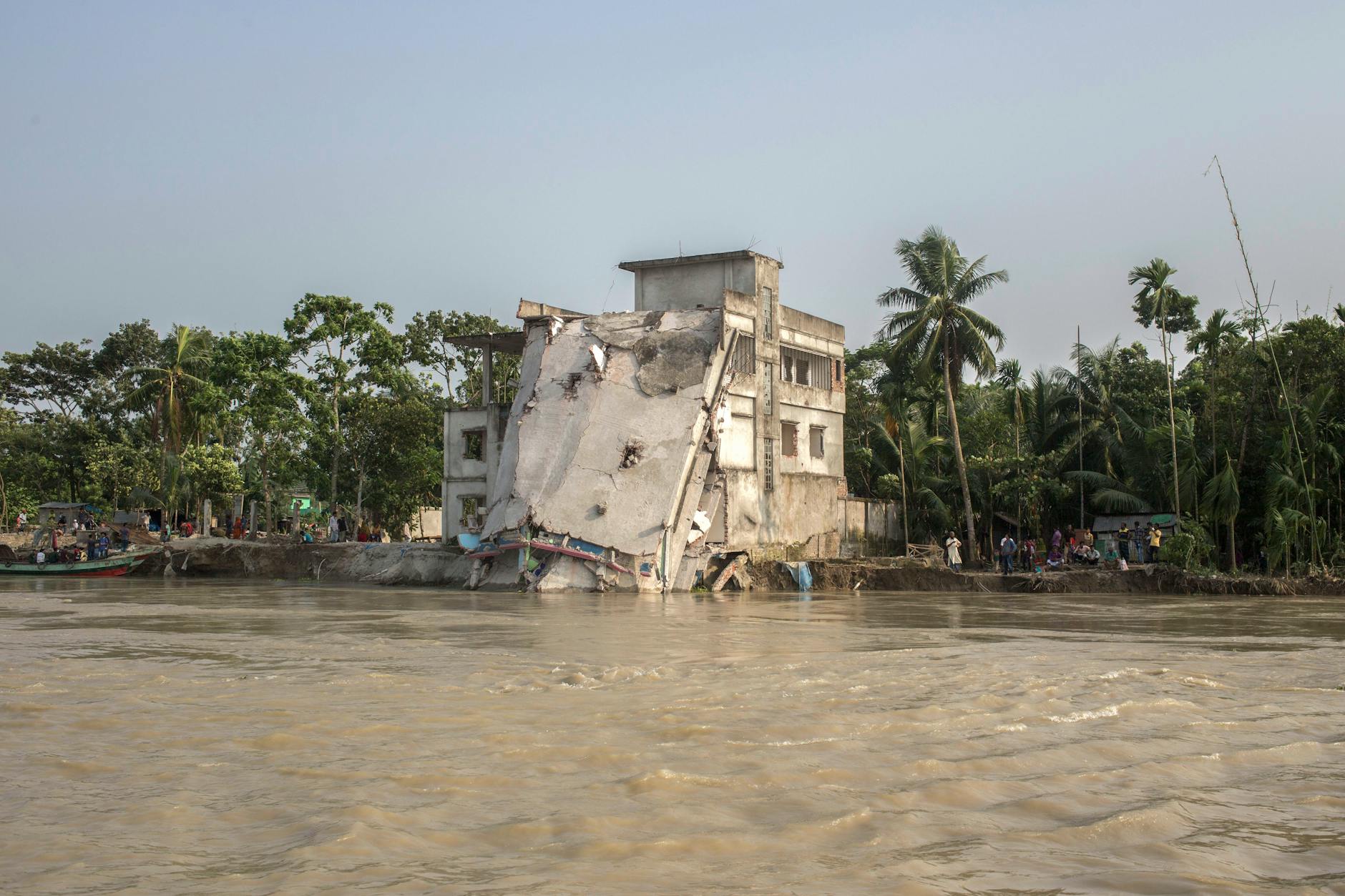

Severe Weather Unleashes Chaos in Globe, Arizona
Globe, Arizona, is reeling from an intense wave of flash flooding that has wreaked havoc on its streets and vehicles. The sudden deluge caught many residents off guard, transforming familiar roads into rivers and leaving a trail of destruction in its wake. With the monsoon season already known for its unpredictability, this latest bout of severe weather has pushed the limits of what the town can endure.
Impact on the Community and Infrastructure
The flash floods have led to significant damage to property, with vehicles submerged and roads rendered impassable. Residents who depend on these thoroughfares for their daily commutes and errands are now facing unexpected challenges. Eyewitness reports describe scenes of chaos, with cars stranded and emergency responders scrambling to assist those in need. The local infrastructure, including drainage systems, was ill-equipped to handle such an overwhelming amount of rain in a short period, exacerbating the situation.
Local businesses are also feeling the squeeze, as customers stay away from flooded areas, leading to a downturn in sales. Many small enterprises, which rely on foot traffic, are now grappling with the repercussions of the flooding. This situation amplifies the urgency for swift recovery efforts and community support, making it clear that the road to recovery will be a long one for many.
Emergency Response and Recovery Efforts
In response to the flooding, local authorities have activated emergency protocols to ensure the safety of residents. Emergency services are working around the clock, rescuing those trapped in vehicles and assessing the damage. However, the scale of the flooding has overwhelmed initial response efforts, prompting calls for additional resources. The community is rallying together, with volunteers stepping up to help those in need, showcasing the resilience that defines Globe. Neighborhoods are coming alive with community spirit as people share resources, offer shelter, and lend a hand in cleanup efforts.
The local government has also set up emergency shelters for displaced residents, providing them with a safe haven while they assess the damage to their homes. However, with many roads still flooded, access to these shelters remains a challenge, highlighting the urgent need for a more reliable emergency management strategy.
Long-term Consequences and Future Preparedness
The aftermath of this flooding raises critical questions about infrastructure preparedness in the face of increasingly severe weather events. Globe’s drainage systems were clearly not equipped to handle such an overwhelming amount of rain in a short period. This incident serves as a stark reminder for local government officials and planners to reevaluate flood management strategies and invest in better infrastructure to protect the community from future disasters.
Residents are increasingly vocal about the need for improvements, urging city officials to take action before the next storm hits. The community’s calls for better flood management are not just about responding to this incident; they are about future-proofing Globe against a changing climate that may bring more severe weather patterns.
Lessons Learned
As residents begin to assess the damage and plan for recovery, it’s evident that this flooding event could serve as a wake-up call. The importance of preparedness cannot be overstated. Communities across the state need to learn from Globe’s experience to mitigate the impact of similar events in the future.
Public awareness campaigns on emergency preparedness, along with investments in sustainable infrastructure, are essential steps moving forward. Community meetings are being organized to discuss response strategies and share information on how individuals can better prepare for emergencies. It’s not just about bouncing back; it’s about building a more resilient community that can withstand the unexpected.
Questions
How can Globe improve its flood management systems to prevent future disasters?
What role can community organizations play in supporting recovery efforts?
Are residents adequately informed about emergency preparedness in flood-prone areas?