
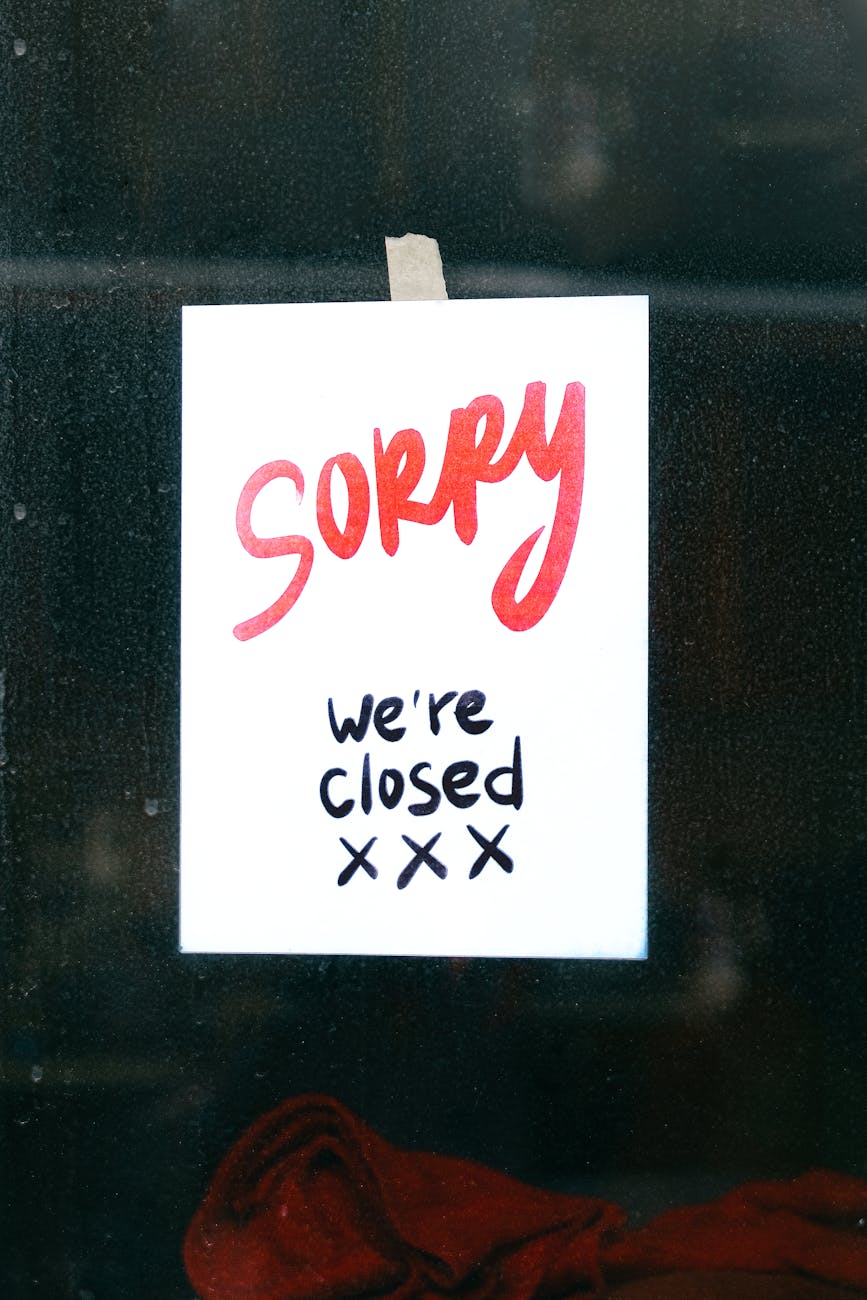

Government Shutdown Looms as Congress Stalls on Funding Agreement
Impending Shutdown: The Countdown Begins
The clock is ticking, and a government shutdown is looming. If Congress doesn’t act by 12:01 a.m. Wednesday, the government will grind to a halt. This isn’t just a minor inconvenience; it affects millions of Americans who rely on government services, from federal employees to everyday citizens accessing vital programs. The stakes are high, and the pressure is mounting on lawmakers to find a solution.
Political Gridlock: Democrats vs. Republicans
As the deadline approaches, the divide between Democrats and Republicans grows starker. Negotiations have stalled, with both parties standing firm on their respective positions. Democrats are pushing for a funding bill that reflects their priorities, including support for social programs, climate initiatives, and healthcare. They argue that investing in social safety nets is crucial for a thriving society. On the other hand, Republican leaders are adamant about cutting spending, prioritizing border security, defense, and fiscal responsibility. This standoff has left the nation in a precarious position, with neither side willing to budge.
The Stakes: What’s at Risk?
Should the government shut down, the consequences will be far-reaching. Federal employees could face furloughs, national parks and museums might close, and key services could be disrupted. Programs like Social Security, Medicare, and veterans’ benefits are typically unaffected, but many federal agencies will halt operations, leading to delays and headaches for those who rely on them. The economic impact could also be significant, affecting everything from small businesses to government contracts.
In a shutdown scenario, agencies like the IRS and the Department of Education may stop processing claims and applications, creating a backlog that could take weeks or even months to resolve. Public health initiatives may also suffer, as funding for vital research and emergency services could be halted. The ripple effects extend beyond federal employees; contractors and other businesses that rely on government projects could see significant losses, jeopardizing jobs and economic stability.
Public Sentiment: Frustration Is Growing
With each passing day, public frustration mounts. Americans are tired of the political gamesmanship and the inability of their leaders to come together for the common good. Polls indicate that many citizens expect their representatives to prioritize the needs of the country over partisan interests. This growing discontent could have long-lasting effects on the political landscape, especially as the next election cycle approaches.
Social media is buzzing with opinions, and the public is vocal about their impatience. Many citizens feel that their elected officials are more focused on winning political battles than addressing the urgent needs of the nation. The sentiment is clear: people want accountability, transparency, and, most importantly, action. The stakes are too high for continued inaction, and the electorate is paying attention.
Potential Solutions: Will Compromise Prevail?
As the deadline nears, the question remains: can a compromise be reached? Some lawmakers are calling for a short-term funding measure to buy time for further negotiations. This would allow essential services to continue while both parties work out their differences. Others argue that a longer-term solution is necessary to avoid future crises, advocating for a budget that addresses the core issues at hand rather than kicking the can down the road.
Whatever the outcome, the need for cooperation and dialogue is more crucial than ever. The American public is watching, and they expect their leaders to act decisively. The question is whether bipartisan efforts can emerge in this climate of division. History has shown that compromise is possible, but it requires a willingness to listen and adapt from both sides. If lawmakers can find common ground, they can avert a shutdown and begin to rebuild trust with their constituents.
Questions
What do you think should be prioritized in the funding negotiations?
Are you concerned about the impact of a government shutdown on your daily life?
How do you feel about the current political climate surrounding this issue?