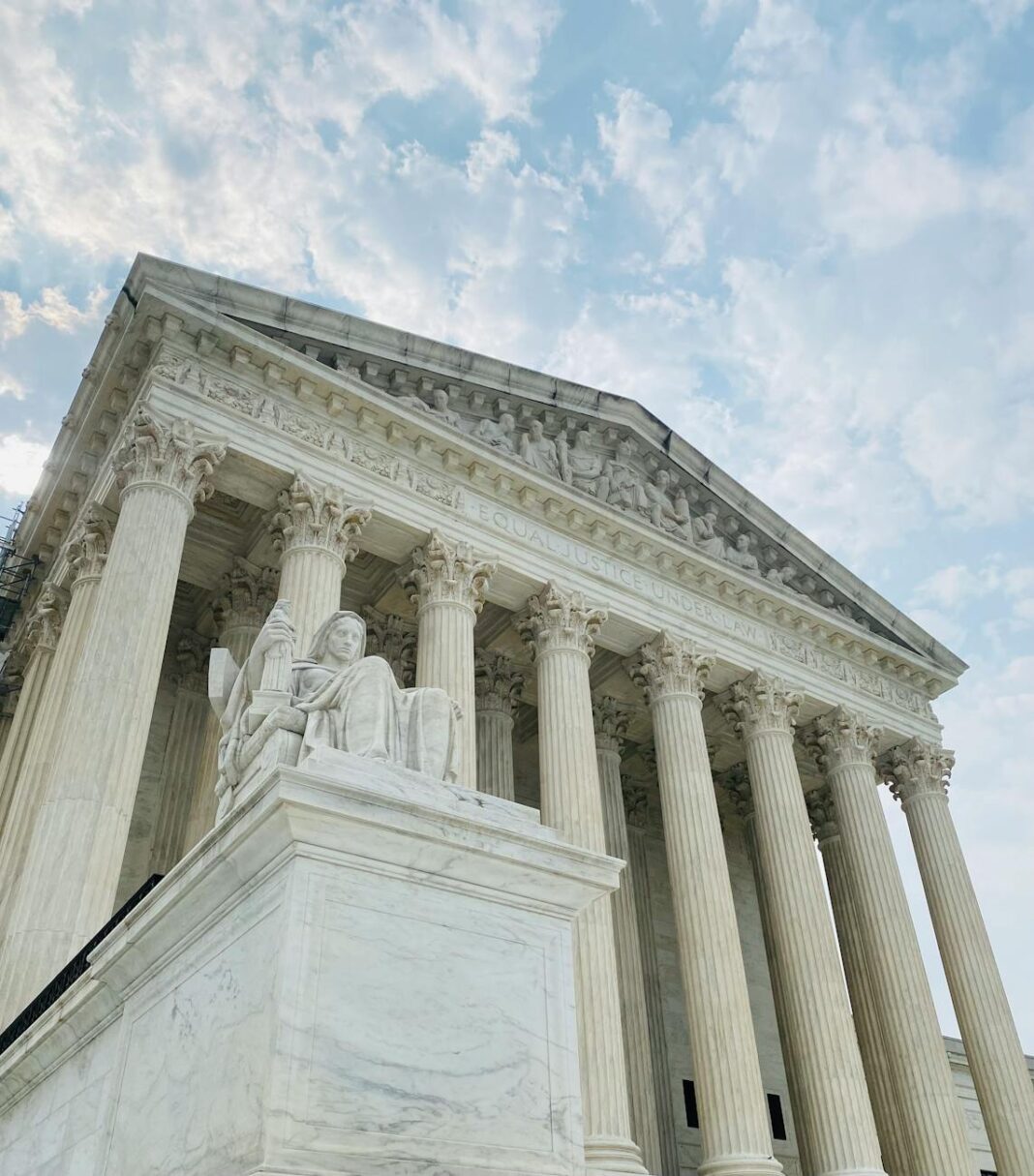
Supreme Court’s Conservative Justices Challenge Conversion Therapy Ban
The U.S. Supreme Court is currently navigating the contentious issue of conversion therapy bans, with its conservative justices expressing significant hesitance. This legal debate centers around the implications of banning conversion therapy practices, which aim to change an individual’s sexual orientation or gender identity. Critics argue that such therapies are harmful and pseudoscientific; however, proponents insist that banning them infringes on free speech, particularly for therapists who choose to offer these services.
During recent hearings, the conservative justices voiced their concerns about the potential ramifications of a nationwide ban on conversion therapy. They argued that prohibiting therapists from discussing or practicing these methods could be a violation of their First Amendment rights. This perspective brings forth a critical discussion surrounding the balance between protecting individuals from potentially harmful practices and ensuring freedom of expression for professionals in the mental health field.
The justices are not only grappling with the legality of such bans but are also weighing the broader societal implications. Questions arise about where to draw the line between state intervention in mental health practices and individual autonomy. While many states have already enacted their own bans on conversion therapy, the Supreme Court’s decision could unify the legal landscape across the nation, either supporting or overturning these local laws.
Supporters of the ban argue that conversion therapy is rooted in outdated beliefs and can lead to severe psychological distress among individuals subjected to it. They highlight numerous studies indicating that these practices can result in depression, anxiety, and even suicidal thoughts among those who undergo them. On the flip side, opponents claim that the ban could stifle legitimate therapeutic discussions that some individuals may seek out voluntarily, arguing for the importance of personal choice in therapy.
This complex legal issue showcases the ongoing battle between personal rights and societal protection. As the Supreme Court deliberates, the outcome will not only affect therapists and their clients but will also send a broader message about the nation’s stance on LGBTQ+ rights and mental health practices. The stakes are high, and the court’s decision could set a precedent that resonates for years to come.
Questions
What do you believe should be prioritized: free speech for therapists or protection for individuals against harmful practices?
How might the Supreme Court’s decision impact the future of mental health practices in the U.S.?
Do you think conversion therapy will ever be completely eradicated, or will it persist in some form?