
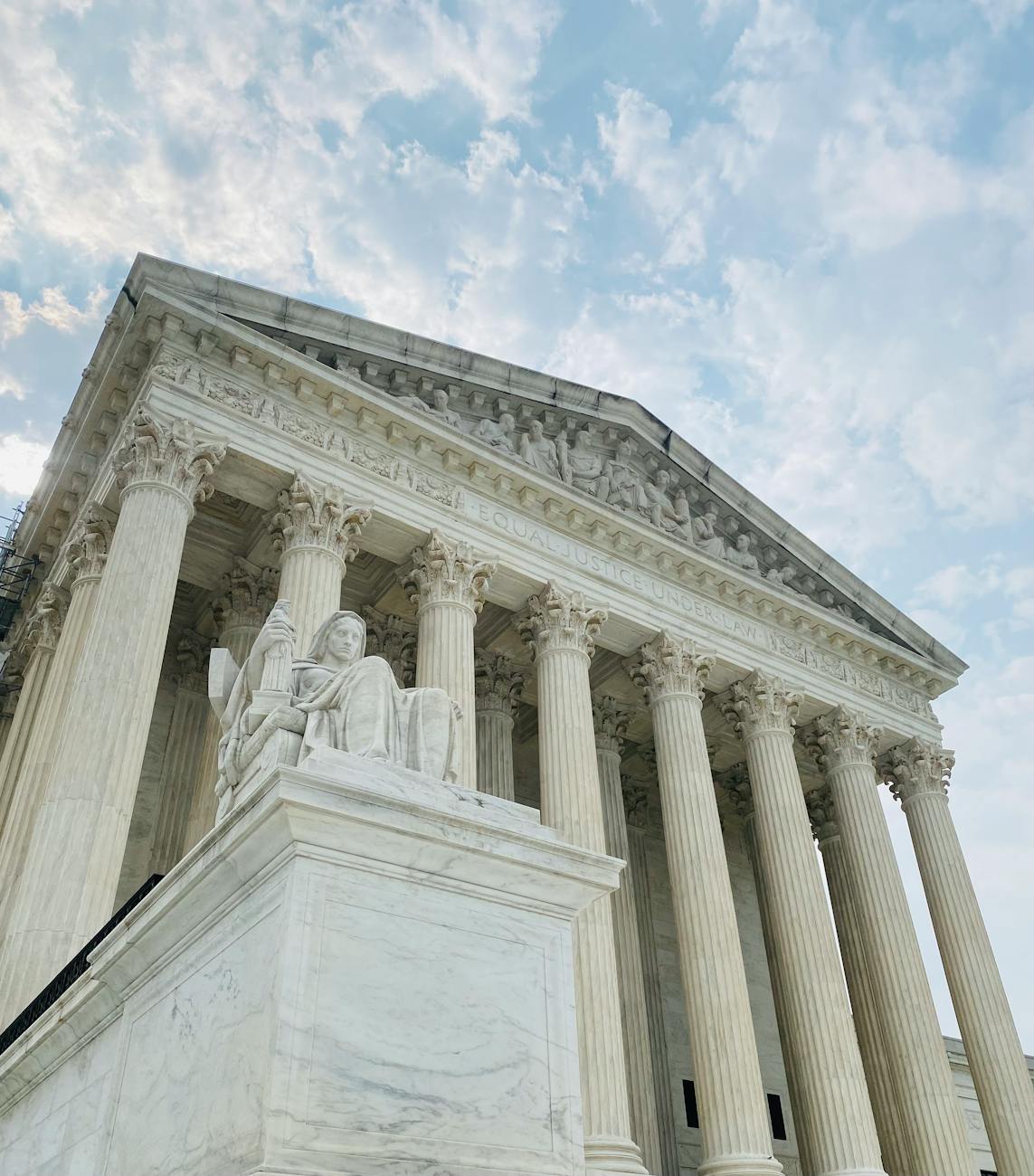

Supreme Court Takes on Trump’s Challenge to Fed Independence
The U.S. Supreme Court is stepping into the political fray by agreeing to hear arguments regarding former President Donald Trump’s unprecedented effort to remove Federal Reserve Governor Lisa Cook. This case marks the first time in history that a sitting president has sought to fire a Fed official, and the implications are monumental. It raises questions about the sanctity of the Federal Reserve’s independence and sets a concerning precedent for future administrations.
Background on the Case
Lisa Cook, an economist and the first Black woman to serve on the Federal Reserve Board, was appointed by President Biden in 2021. Trump’s desire to remove her stems from his long-standing criticism of the Fed’s policies, particularly regarding interest rates and inflation. The former president has openly challenged the Fed’s decisions, arguing that they have hampered economic growth. His decision to target Cook, however, has ignited a firestorm of controversy, as it puts the independence of the central bank under scrutiny.
The Stakes of the Argument
At the heart of this case is whether a president has the unilateral power to dismiss a Fed official. The Federal Reserve was designed to operate independently from the executive branch to shield it from political pressures that could compromise its economic mission. If the Court sides with Trump, it could redefine the relationship between the executive branch and the Federal Reserve, potentially allowing future presidents to interfere with monetary policy decisions.
Legal Precedents and Implications
Historically, the Federal Reserve has maintained its autonomy from political influence, a principle that has been crucial in maintaining market stability. Legal experts are closely watching this case, as it could set a dangerous precedent. If the Supreme Court rules in favor of Trump, it could embolden future presidents to meddle in the workings of the Fed, undermining the careful balance established to stabilize the economy.
The Broader Economic Context
This case arrives at a pivotal moment when the economy is grappling with inflation, interest rate hikes, and global uncertainties. The Fed’s role in managing these issues requires a degree of independence to make tough decisions without political backlash. Trump’s challenge to Cook not only raises legal questions but also illustrates the ongoing tensions between economic policy and political maneuvering. The outcome could reshape how the Fed operates and how future presidents engage with its officials.
Questions
What could be the long-term implications for the Federal Reserve if the Court rules in Trump’s favor?
How might this case influence the relationship between future presidents and economic policy?
What are the potential risks of political interference in monetary policy?