
Homenews10 Major Retail Store...

10 Major Retail Store Closures in 2024

Major Retailers Announce Significant Store Closures in 2024

Several prominent retail brands, including Gap Inc.’s Banana Republic, Macy’s, and Family Dollar, have revealed plans for substantial store closures in 2024 due to strategic realignments and economic challenges.
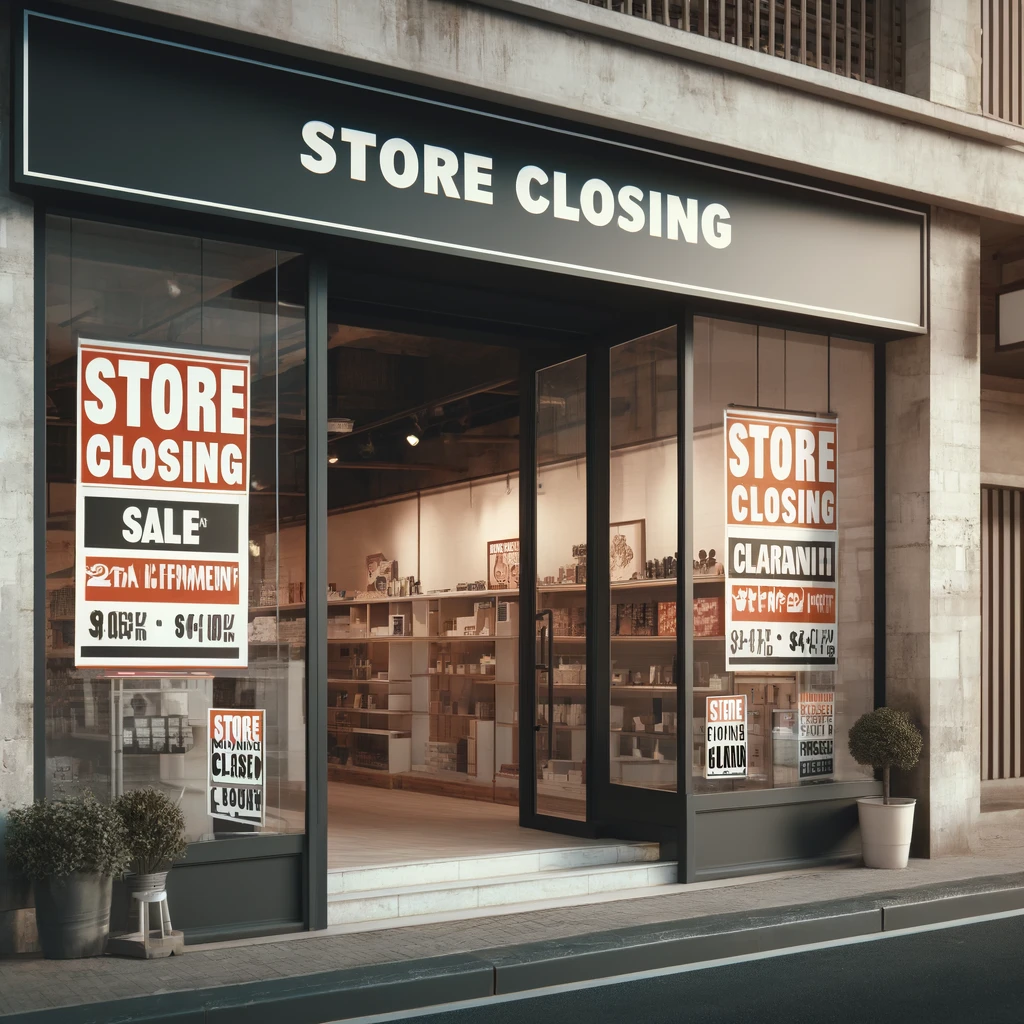
These closures are a direct response to declining sales, economic downturns, and a growing shift towards online shopping, indicating a significant transformation in the retail landscape.

Banana Republic (Gap Inc.)

Banana Republic, under Gap Inc., plans to close select stores by early 2024 to optimize its portfolio and streamline operations.

Macy’s

Macy’s, the iconic department store chain, will close five stores as part of its broader strategic adjustments aimed at reducing underperforming locations.

Family Dollar

Faced with economic pressures, Family Dollar intends to close at least 600 stores throughout the year.

Walmart

Several Walmart locations have been closed due to underperformance in both 2023 and 2024.

Boston Market

Boston Market is closing stores due to financial liabilities, including owed back wages and unpaid taxes.

Rue21

Rue21 will shutter over 500 stores, largely due to the pandemic’s impact and the decline in in-person shopping.

Bed Bath & Beyond

Bed Bath & Beyond is set to close 150 stores due to financial struggles and declining sales.

Best Buy

Best Buy is planning to close several stores as it shifts focus towards e-commerce and technology services.

JCPenney

JCPenney, which has been struggling for years, will continue its trend of store closures in 2024 as part of its ongoing restructuring efforts.

Reasons for Store Closures

Many retailers are experiencing a significant drop in sales, making it challenging to sustain physical store locations. The shift in consumer spending habits and preferences has contributed to this decline.

Economic challenges, including inflation and reduced consumer spending, have created a tough environment for retailers. Economic instability can lead to lower discretionary spending, impacting sales.

The increasing preference for online shopping over in-person visits has reduced the need for physical stores. E-commerce platforms offer convenience and often better prices, drawing consumers away from brick-and-mortar stores.

Rising costs for goods, labor, and rent are squeezing profit margins for retailers. Maintaining physical locations has become more expensive, leading companies to close underperforming stores to cut costs.

The COVID-19 pandemic accelerated changes in consumer behavior and retail strategies. Lockdowns and safety concerns shifted more consumers to online shopping, and many have continued these habits post-pandemic.

Companies are closing underperforming stores to streamline operations and focus on more profitable areas. This includes optimizing supply chains, reducing excess inventory, and investing in technology.

Increased competition from both online retailers and other physical stores has made it difficult for some retailers to maintain their market share. Retailers are forced to close stores that can’t compete effectively.

Consumers’ preferences are evolving, with a greater emphasis on experiences, sustainability, and convenience. Retailers that fail to adapt to these changing demands often struggle to attract and retain customers.

Financial issues such as debt, owed back wages, and unpaid taxes can force retailers to close stores. Companies facing significant liabilities may opt to shut down less profitable locations to stabilize their finances.

Some retailers expanded too quickly, resulting in too many stores in saturated markets. This overexpansion can lead to cannibalization of sales among stores, prompting companies to close less profitable locations to optimize their footprint.

The retail industry is grappling with numerous challenges, including inflation, pandemic aftereffects, and the rising preference for online shopping. These factors are driving many companies to rethink their physical presence and focus on more profitable and efficient business models.

Related Questions

What factors are contributing to the closure of major retail stores in 2024?

Economic downturns, declining sales, and strategic realignments are primary factors.

How are economic conditions affecting the retail industry?

Reduced consumer spending, increased operational costs, and inflation are significantly impacting profitability.

Which other retail brands are planning store closures in 2024?

Bed Bath & Beyond, Best Buy, JCPenney, and others are planning closures.

What strategies are retailers using to adapt to the changing market?

Retailers are optimizing supply chains, investing in technology, and enhancing their online presence to stay competitive.

These closures reflect a broader trend in the retail industry as companies adapt to changing market conditions and consumer behaviors.

- A word from our sponsors -

Most Popular

LEAVE A REPLY

Please enter your comment!
Please enter your name here

More from Author

Product Recalls: Another Day, Another Danger

Another day, another round of consumer product recalls. It’s almost like...

Manhattan Real Estate: A Mirage of Stability?

Manhattan's real estate scene is apparently finding its footing again. Office...

Europe’s Tech Doldrums: Should We Care?

Look, Europe’s lagging behind in the tech race, and here we...

Only 3% of Artists Want Opt-Out? You’ve Got to Be Kidding Me

The art world is buzzing—it’s supposed to be a victory for...

- A word from our sponsors -

Read Now

Product Recalls: Another Day, Another Danger

Another day, another round of consumer product recalls. It’s almost like clockwork at this point. If you're a regular shopper, you might feel like the odds of picking up something dangerous are increasing. Just last week, several products were pulled from shelves due to safety concerns—everything from...

Manhattan Real Estate: A Mirage of Stability?

Manhattan's real estate scene is apparently finding its footing again. Office demand is tightening, and retail is making a comeback. At least, that's what Liz Hart, the President of Leasing for Newmark North America, wants us to believe. She recently spoke with Open Interest about how 2026...

Europe’s Tech Doldrums: Should We Care?

Look, Europe’s lagging behind in the tech race, and here we are, pretending it doesn’t matter. It’s like watching a marathon where one's still on the starting line while others are crossing the finish. So what’s going on? The continent's been struggling to keep pace with Silicon...

Only 3% of Artists Want Opt-Out? You’ve Got to Be Kidding Me

The art world is buzzing—it’s supposed to be a victory for artists in their ongoing battle with AI over copyright. But here’s the kicker: only 3% of them are actually in favor of opting out of AI training programs. Seems a bit fishy, doesn’t it? Liz Kendall, the...

Legal Fumble: Hyde School Lawsuit Stumbles Amid Attorney Blunders

Last week, the federal lawsuit against the Bath boarding school hit a snag. A lawyer from Maine asked to step back from the case, citing some serious missteps by his co-counsel in Massachusetts. Apparently, we’re not just dealing with legal battles here; we’re also talking about 'inaccurate...

Gainesville Businesses Hit with a Wave of ADA Lawsuits – What’s Really Going On?

Gainesville's small business scene just took a gut punch. A slew of 49 lawsuits has blindsided iconic local establishments, all tied to ADA compliance issues. Just when these owners thought they could catch a break, they're now forced to either settle or brace for costly legal battles. Here's...

So, Is Residential Real Estate Really Balanced Now?

Today’s real estate market is apparently balanced. Not quite a buyer’s bonanza—but hey, it’s “tilting in favor of buyers.” Isn’t that a comforting thought? But let’s dig deeper. The phrase “balanced” sounds good on paper, but what does it actually mean for those trying to buy or...

Blackstone’s Real Estate Empire: Too Big to Move?

Blackstone is in a bit of a pickle. Once the darling of private equity, the firm now faces a stark reality. The cheap money era? It’s history. And with interest rates climbing like a kid on caffeine, those bold bets that fueled their meteoric rise are suddenly...

New CEO at OHSU Health—Another Day, Another Leadership Shuffle

OHSU Health has a new captain steering the ship. This time, it’s an insider taking the helm. But let’s not hold our breath for sweeping changes just yet. Dr. Jason H. Kauffman steps into the role, bringing years of experience within the organization. He’s been with OHSU...

Cathie Wood’s $40 Million Exit – What’s She Seeing That We’re Not?

Cathie Wood, the face behind Ark Investment Management, just pulled a $40 million sell-off on some of the biggest tech stocks. Pretty bold move, right? Here’s the deal: she’s known for swooping in when stocks dip and cashing out after they've had a good run. But this...

Clerk in Alex Murdaugh murder trial pleads guilty to showing graphic

Clerk in Murdaugh Murder Trial Admits to Misconduct A clerk involved in the high-profile murder trial of Alex Murdaugh has pleaded guilty to charges related to the unauthorized dissemination of graphic evidence. This incident has raised concerns regarding the handling of sensitive materials in legal proceedings. The clerk, who...

A week into immigration operation, Minnesota Somalis remain on edge

A Week into Immigration Operation: Impact on Minnesota's Somali Community In recent weeks, an immigration enforcement operation conducted by U.S. Immigration and Customs Enforcement (ICE) has focused on Somali immigrants in Minnesota. This operation has resulted in at least 19 arrests within its first week. The specific details...