
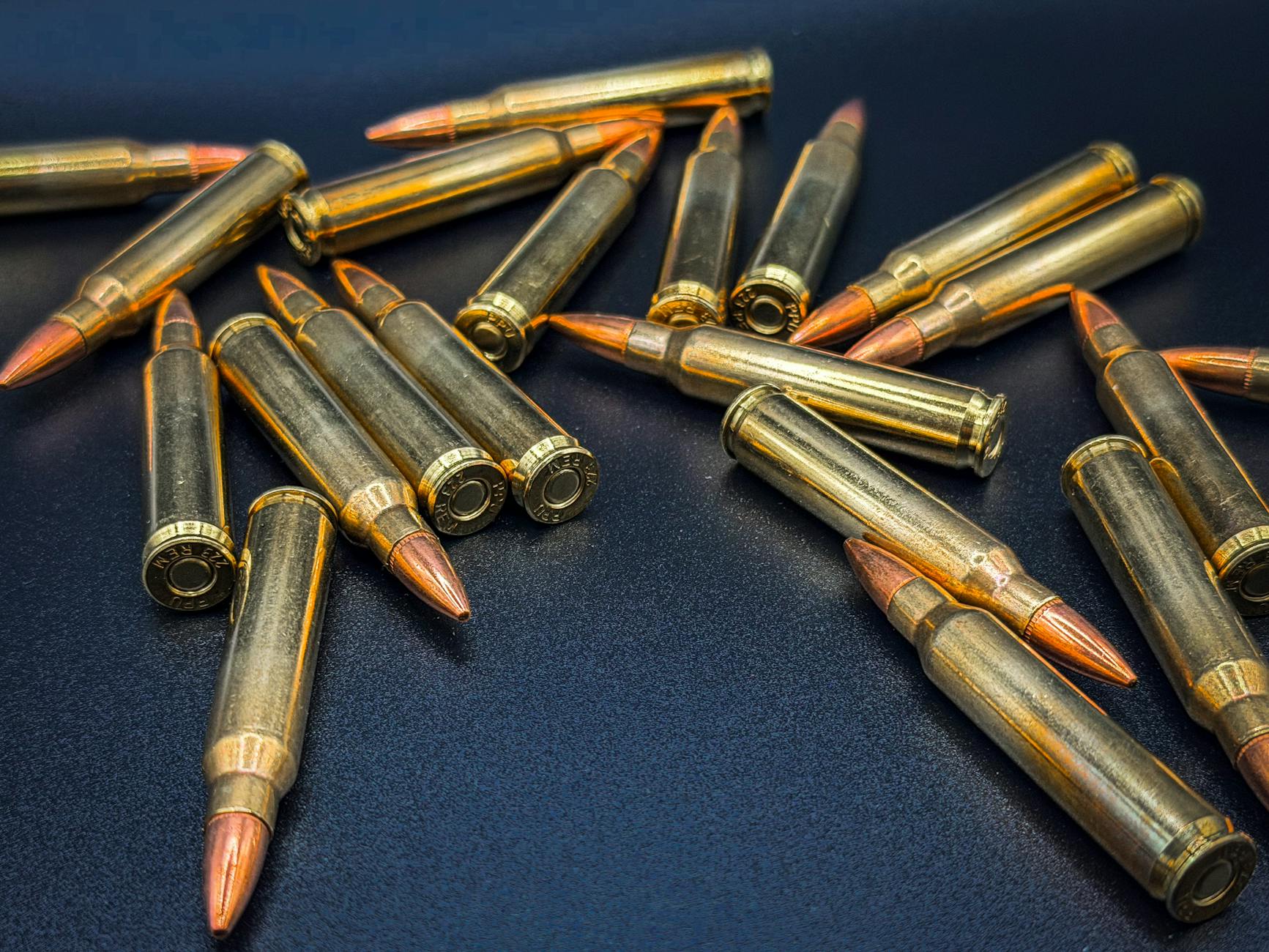

The Unsettling Trend of Inscribed Bullet Casings
In recent months, a disturbing pattern has emerged in violent confrontations across the country. Investigators have reported the recovery of shell casings that bear inscriptions, often containing messages or symbols. This phenomenon has been noted in three high-profile attacks within the last year, raising questions about the intent behind these markings and the implications for gun violence. The presence of these bullet casings is not merely a detail for forensic teams; it symbolizes a deeper issue simmering within communities affected by gun violence.
What Do the Inscriptions Signify?
The inscriptions found on these bullet casings range from personal messages to gang affiliations. They serve as a grim reminder of the events that transpired, possibly intended to send a message to rivals or commemorate a violent act. Some experts speculate that these engravings are a way for perpetrators to mark their territory or assert dominance, while others view them as a form of a calling card, a signature left behind to instill fear. The messages often reflect a mix of bravado and desperation, revealing a psychological dimension to the violence—a way for individuals to carve out their identity in the chaos of their surroundings.
The Impact on Investigations
Law enforcement agencies are grappling with the implications of these inscribed casings. The presence of unique markings can assist in linking shootings to specific individuals or groups, potentially providing crucial evidence in ongoing investigations. This forensic innovation offers a unique avenue for detectives, as the inscriptions can serve as a breadcrumb trail leading to their suspects. However, the engravings also complicate the narrative surrounding gun violence, as they might glamorize or trivialize the seriousness of these incidents. The psychological warfare of having a casing inscribed with a message can amplify the terror associated with gun violence.
A Cultural Shift?
The rise of inscribed bullet casings might reflect broader societal changes. As gun culture evolves, so do the methods of expression among those who wield firearms. This trend raises concerns about the normalization of violence and the desensitization to its consequences. When bullets become canvases for messages, it blurs the line between the act of violence and the artistry of expression, leading to a chilling intersection of both. In some cases, these inscriptions may even be seen as a form of dark artistry, where the act of shooting is intertwined with self-expression.
Understanding the Motivations
Diving deeper into the motivations behind these inscriptions reveals a complex interplay of emotions. For some, these engravings are a cry for help, a way to express pain or frustration in a world that feels increasingly indifferent. For others, they might serve as a badge of honor, a way to showcase their involvement in a violent lifestyle. The duality of these motivations underscores a societal issue—how do we address individuals who resort to violence as a means of expressing their identity? The answer lies in a multi-faceted approach that includes education, mental health support, and community engagement.
Looking Ahead
As this trend continues to grow, it is essential for communities, law enforcement, and policymakers to understand the motivations behind these inscriptions. Addressing the root causes of gun violence while also tackling the cultural narratives that glamorize it is crucial in mitigating the prevalence of such incidents. The inscribed bullet casing phenomenon is not just a footnote in crime reports; it is a glaring signal of deeper issues that need urgent attention. Initiatives aimed at fostering dialogue around these issues can provide a platform for understanding and healing, rather than perpetuating a cycle of violence.
Questions
What do you think motivates individuals to inscribe their bullet casings?
How can communities address the cultural implications of this trend?
What measures can be implemented to reduce gun violence in urban areas?