
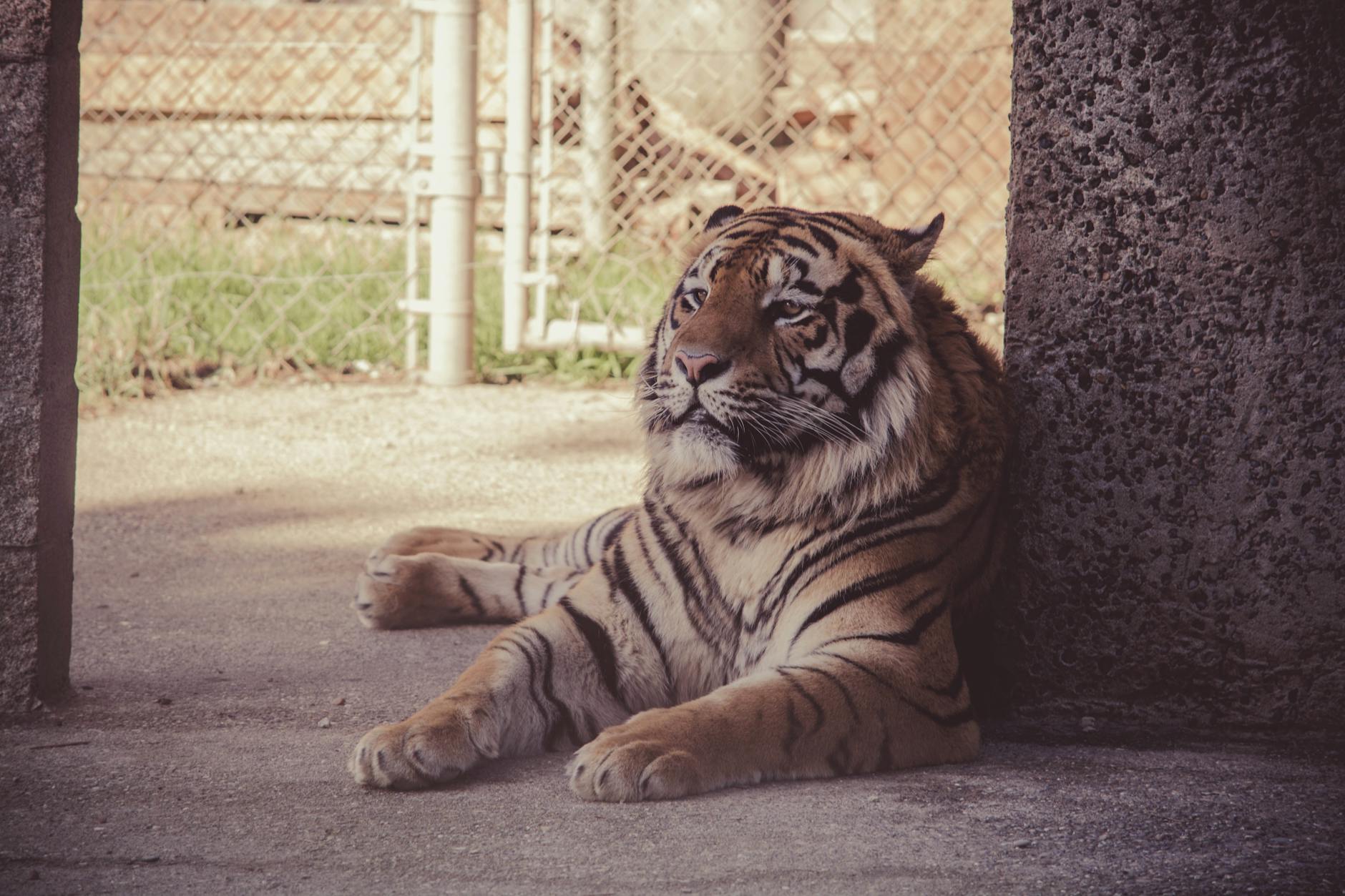

Tragic Incident at Oklahoma Zoo
In a shocking turn of events, Ryan Easley, a 37-year-old tiger handler, lost his life while performing at his family-run private zoo in Hugo, Oklahoma. The incident unfolded when Easley was interacting with a tiger, a situation that many in the exotic animal handling community know is fraught with risk. Despite precautions and years of experience, the unpredictable nature of wild animals can lead to devastating outcomes. This tragic event has sent ripples through the community, prompting discussions about safety and the ethics of keeping such powerful creatures.
The Performance and the Attack
During what was supposed to be an engaging demonstration for visitors, Easley found himself in a deadly encounter with one of the tigers. Eyewitnesses reported seeing the tiger suddenly turn aggressive, leading to a situation that spiraled out of control in mere moments. The performance, which aimed to showcase the beauty and majesty of these big cats, became a nightmare when the tiger attacked Easley. Emergency services were called immediately, but tragically, Easley was pronounced dead at the scene. This incident is a grim reminder of the dangers that come with working closely with powerful predators, a reality that many choose to overlook.
Background of Ryan Easley
Easley was no stranger to working with big cats. He was known for his hands-on approach and had been involved in animal handling for many years, having honed his skills in a family environment that was steeped in the exotic animal trade. His family’s zoo had been a local fixture for years, attracting visitors eager to see the majestic creatures up close. However, Easley’s death raises questions about animal safety and handler training within private zoos, especially those that operate outside the stringent regulations that govern larger wildlife parks and sanctuaries.
Community Reaction
The local community is grappling with the shock of Easley’s untimely death. Many have expressed their condolences to his family and have shared their memories of him as a passionate animal lover. Friends and fellow handlers have spoken out about the risks involved in working with wild animals, emphasizing the need for better safety protocols. However, there’s also a growing concern regarding the safety measures in place at private zoos, particularly those that house large and potentially dangerous animals. Calls for increased regulation and oversight are beginning to surface, as people wonder how such a tragic accident could occur.
The Bigger Picture
This incident doesn’t just highlight the risks faced by those in the exotic animal business; it also shines a light on the ethical considerations surrounding the ownership and handling of wild animals. While many argue for the right to operate private zoos, the safety of both the animals and the humans who interact with them must be a priority. Easley’s death may serve as a catalyst for change, prompting discussions about better training, stricter regulations, and perhaps even a reevaluation of the private zoo industry as a whole.
Calls for Change
The aftermath of this tragedy has sparked a renewed debate about the responsibility of animal handlers and the ethics of keeping exotic animals for entertainment. Advocates for animal rights are pushing for tighter regulations on private zoos, arguing that the safety of both the animals and the handlers is often compromised for profit. There is a growing sentiment that the exotic animal trade should be scrutinized more closely, ensuring that only those who can meet stringent safety and ethical guidelines are allowed to operate such facilities.
Questions
What safety measures should be mandatory for private zoos?
How can the community support animal handlers while ensuring public safety?
What changes, if any, should be made to regulations governing exotic animal handling?