

Weather Experts Monitor Incoming Rain Event with Advanced Technology
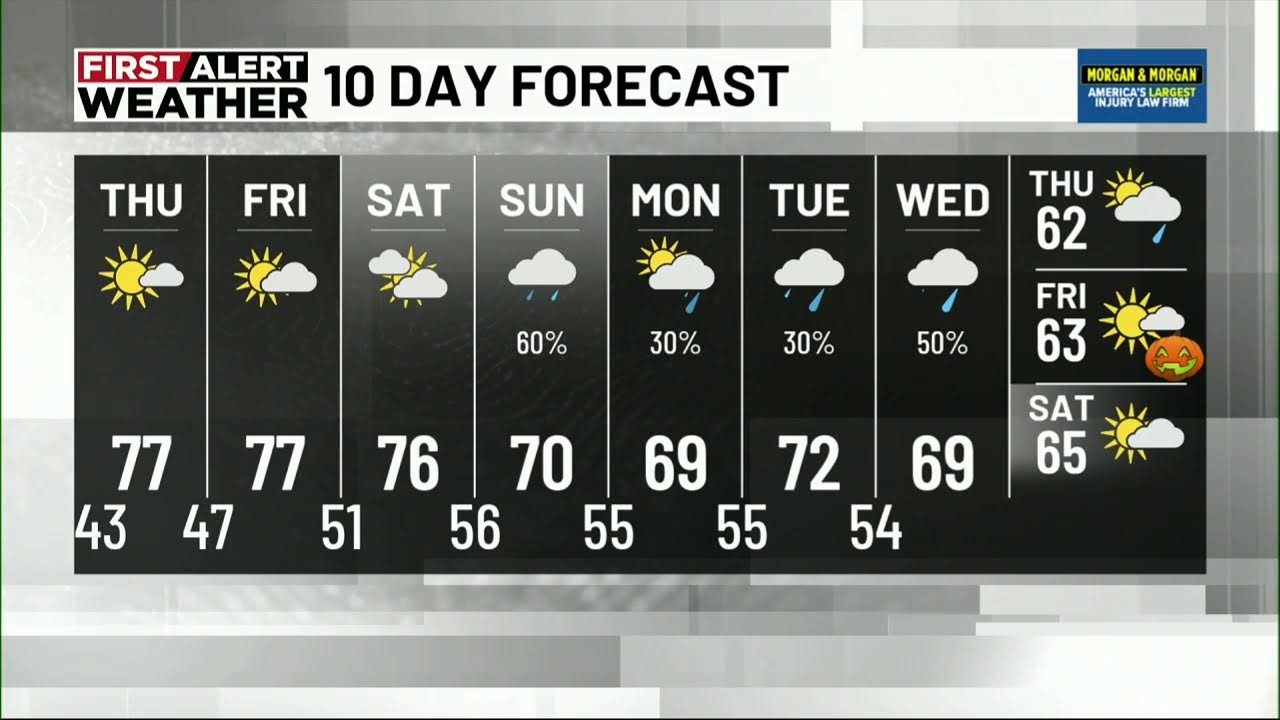
This weekend, weather experts and enthusiasts are turning their attention to an incoming rain event expected to bring varying intensities of precipitation to several regions. The event is being closely monitored using a combination of satellite imagery, radar systems, and advanced computer models, offering a sophisticated approach to weather forecasting aimed at predicting the onset, duration, and intensity of rainfall.
The anticipated rain is attributed to a low-pressure system traversing the continent, a meteorological phenomenon often associated with cloudy skies and precipitation. Low-pressure systems cause air to rise, cool, and condense into clouds and rain. In this instance, the system is likely interacting with a cold front, which serves as a boundary between two air masses of different temperatures. As the cold front advances, it lifts warm, moist air, leading to cloud formation and potential rainfall.
Forecast models indicate that the rain will vary across regions, with some areas experiencing light showers and others potentially facing heavier downpours. Topography plays a crucial role in influencing rain patterns. For example, mountainous regions might experience orographic lift, where moist air is forced upward by the terrain, thereby enhancing precipitation. Coastal areas could also see variations in rain patterns due to the influence of sea breezes.
Tracking rain is not solely about predicting whether to carry an umbrella. Accurate weather forecasts are crucial for mitigating the impacts of potential flooding, particularly in areas with inadequate drainage systems. Additionally, those in the agricultural sector rely heavily on these forecasts to plan their activities, ensuring that crops receive sufficient water without the risk of damage from excessive rainfall.
The technology used in tracking this weekend’s rain event is pivotal. Satellites offer a comprehensive view of weather systems from space, allowing meteorologists to observe cloud formations and moisture levels over vast areas. Meanwhile, radar systems provide more localized insights by emitting radio waves that bounce off precipitation particles, helping to determine the location, movement, and intensity of rain.
This weekend’s rain event underscores the importance of the interplay between technological advancements and meteorological understanding in providing valuable insights. These insights are crucial for managing and preparing for weather impacts, serving as a reminder of the power and necessity of accurate weather forecasting in our daily lives.
As the weekend approaches, individuals and communities are encouraged to stay informed through reliable weather updates and to take necessary precautions, particularly in regions where heavy rain is anticipated. The coordination between technology and meteorology continues to prove invaluable, ensuring that society is better prepared for the challenges posed by nature’s ever-changing patterns.