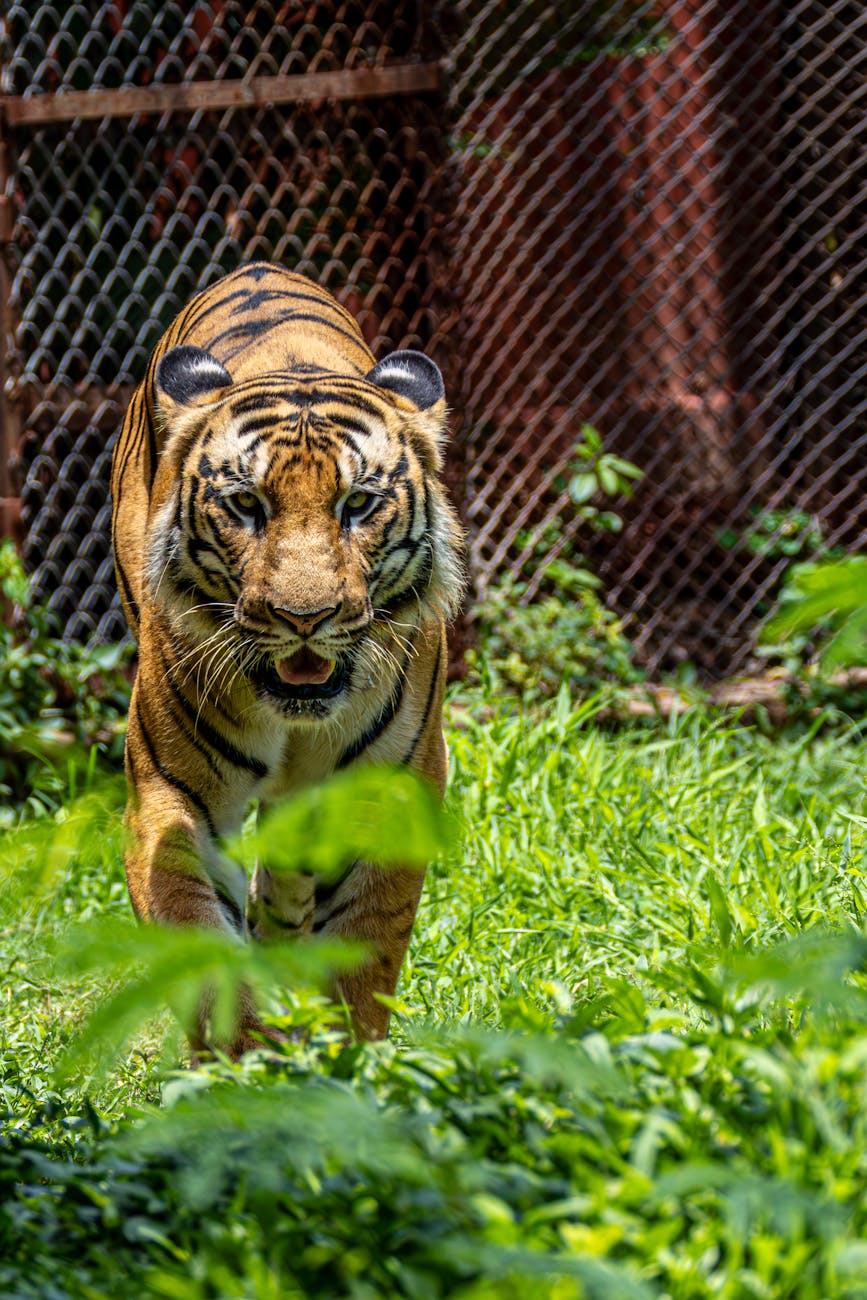
Fatal Encounter at Growler Pines Tiger Preserve
In a shocking incident this past Saturday, Ryan Easley, an animal handler at Growler Pines Tiger Preserve in Oklahoma, lost his life after a tragic encounter with a tiger. The preserve, known for its conservation efforts and educational programs, confirmed the incident in a statement, describing it as an “accident.” However, the circumstances surrounding this event raise serious questions about safety protocols and animal handling practices in wildlife preserves.
Understanding the Risks of Working with Big Cats
Working with big cats is inherently risky. Tigers are powerful, unpredictable animals, and even experienced handlers can find themselves in perilous situations. The nature of big cat behavior can be elusive, often influenced by factors such as mood, environment, and even health. While many wildlife preserves aim to provide a safe environment for both animals and humans, the reality is that accidents can and do happen. In Easley’s case, the exact details of the incident remain unclear, but it underscores the inherent dangers that come with caring for such magnificent yet formidable creatures.
What Went Wrong? The Need for Accountability
Details surrounding the events leading up to the tragedy are scarce. Growler Pines has not elaborated on what specifically happened during the encounter. This lack of transparency raises concerns about the facility’s safety measures and protocols. Did the handlers have sufficient training? Were there adequate barriers in place to protect both the animals and the staff? Such questions are crucial in understanding how to prevent future incidents. Wildlife preserves must prioritize safety and accountability, ensuring that all personnel are equipped with the skills and knowledge required to handle dangerous animals responsibly.
Moreover, this incident serves as a reminder that wildlife preserves are not just sanctuaries but also workplaces where human lives are at stake. Training must go beyond basic animal care; it should encompass emergency response protocols, behavioral assessments, and a clear understanding of animal psychology. The training should also include regular drills and assessments to ensure that all staff members can react swiftly and effectively in case of emergencies.
The Impact on Conservation Efforts
Incidents like this not only affect the individuals involved but can also have broader implications for wildlife conservation efforts. The public’s perception of wildlife preserves can be drastically altered by such tragedies, potentially affecting donations, visitor numbers, and overall support for conservation initiatives. It’s essential for facilities to learn from these incidents, improve safety protocols, and communicate transparently with the public to maintain trust and support for their missions.
Negative publicity can have a ripple effect, discouraging potential visitors and donors who might otherwise contribute to conservation efforts. This could hinder not only the financial stability of the preserve but also the larger conservation goals. Thus, it’s crucial that wildlife facilities not only focus on animal welfare but also invest in public relations strategies that emphasize safety and the educational value they provide.
Looking Ahead: Ensuring Safety in Wildlife Preservation
The tragic loss of Ryan Easley should serve as a wake-up call for all wildlife preserves. It’s an opportunity to reflect on operational practices and the importance of prioritizing safety for both animals and staff. Future reviews of safety protocols should be mandatory, involving external experts who can provide an unbiased assessment of current practices. Furthermore, engaging with the community and involving them in discussions about safety can also foster a sense of trust and collaboration.
In conclusion, the incident at Growler Pines Tiger Preserve is a stark reminder of the risks associated with wildlife conservation and the necessity of stringent safety standards. As we move forward, it’s imperative that facilities learn from this tragedy, ensuring that such an event never happens again.
Questions
What safety measures should wildlife preserves implement to prevent similar accidents?
How can the public support wildlife conservation while ensuring staff safety?
What role do animal handlers play in the education and engagement of visitors at these facilities?