Tropical Storm Imelda’s Impact on Coastal Regions
Tropical Storm Imelda is gearing up to unleash its fury on the U.S. coastline, with coastal flooding and rough surf being the primary threats. As the storm approaches, residents and visitors along affected areas should prepare for significant weather disruptions. With a projected trajectory that could see heavy rainfall and high winds, the potential for severe flooding is a real concern. Meteorologists warn that this storm is no ordinary weather event; the conditions it brings are likely to test the resolve of coastal communities.
Understanding Coastal Flooding Risks
Coastal flooding occurs when water levels rise beyond normal, often due to storms or heavy rainfall. Imelda’s impact could lead to dangerous conditions, especially in low-lying coastal areas that are more susceptible to flooding. Communities should not underestimate the power of storm surges, which can inundate roads, homes, and businesses almost instantaneously. Even a slight rise in water levels can wreak havoc, making it critical for residents to pay attention to local advisories.
When storms like Imelda approach, the risk of flooding can increase dramatically due to the combination of high winds and heavy rains. This can overwhelm drainage systems, leading to water pooling on streets and potentially entering homes. Residents in vulnerable areas should take precautionary measures, such as elevating electrical appliances and moving valuables to higher ground. It’s essential to stay vigilant and be prepared for the unexpected.
Rough Surf: A Dangerous Playground
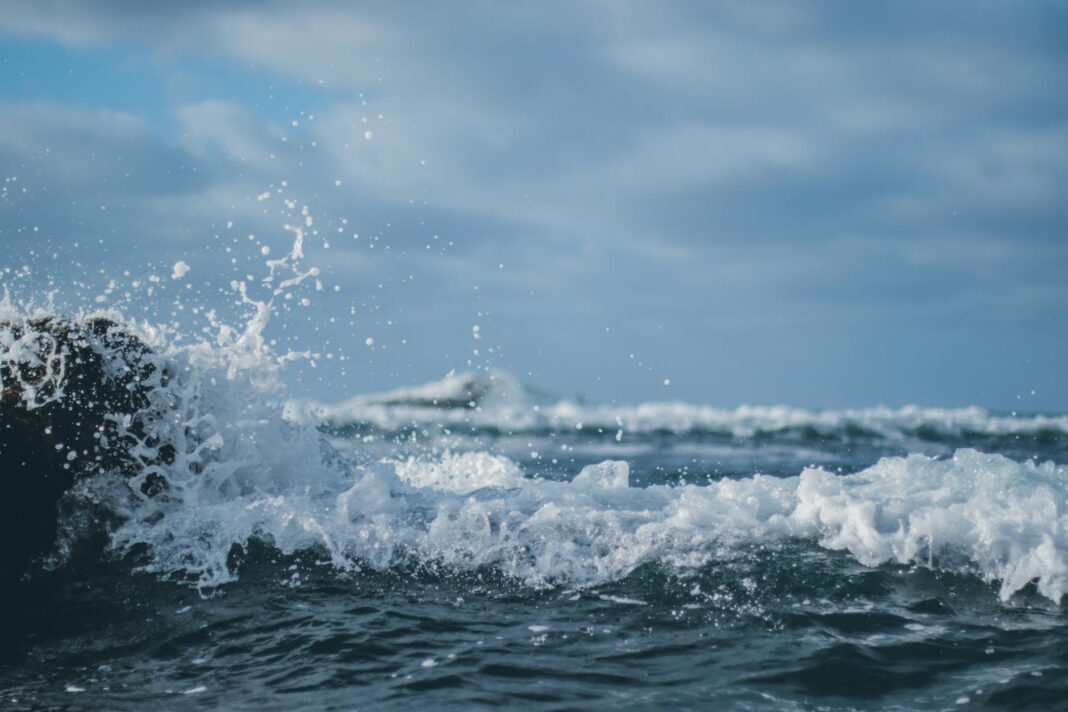
Alongside flooding, rough surf is another significant concern as Tropical Storm Imelda approaches. The storm will generate high waves that can be hazardous for swimmers, surfers, and boaters alike. It’s essential for beachgoers to heed local warnings and avoid the water during this time. The combination of strong currents and high surf can easily lead to dangerous situations, even for experienced individuals.
Local authorities typically post warnings and advisories at beaches, but those warnings can sometimes be overlooked. Ignoring such alerts can result in tragic accidents. If you’re on the coast, it’s smart to respect the ocean’s power and stay safe. Remember that the thrill of riding waves pales in comparison to the potential for injury or drowning.
Preparation is Key
As with any storm, preparation is crucial. Residents in affected areas should stock up on essential supplies, including food, water, medications, and other necessities. The time to act is now; don’t wait until the last minute to prepare for the storm’s impact. Check your emergency kits to ensure they are stocked and ready to go. If power outages occur, having a generator can be a lifesaver.
It’s also wise to secure property by bringing in outdoor furniture, securing windows, and ensuring that storm drains are clear of debris. Those living in flood-prone areas should consider purchasing flood insurance if they haven’t already; it can make a world of difference in recovery efforts following storm damage. It’s better to take preventative steps than to deal with the aftermath unprepared.
Stay Informed
Keeping up with the latest weather updates is vital. Residents should monitor local news stations, weather apps, and social media for real-time information. Authorities will issue alerts and updates regarding the storm’s path and potential impacts. Being informed will help individuals make better decisions regarding safety and necessary actions during and after the storm.
Many communities have established communication channels, including text alerts and social media pages, to keep residents updated. Signing up for these services can be life-saving. Remember, preparation and awareness can significantly reduce the risks associated with storms like Imelda. Don’t underestimate the importance of staying connected to reliable information sources.
Questions
Are you prepared for the potential flooding in your area?
Have you checked your local emergency services for updates on Tropical Storm Imelda?
What steps are you taking to secure your property ahead of the storm?