Trump Administration Targets Deportation Protections for Syrians
The Trump administration has moved to end deportation protections for thousands of Syrians currently residing in the United States. This decision has sent shockwaves through the Syrian community and raised significant concerns among humanitarian organizations. A homeland security official articulated the administration’s stance, claiming that allowing Syrians to remain in the U.S. is “contrary to our national interest.” The implications of this move are profound, affecting individuals who have sought refuge from a country ravaged by war, violence, and chaos.
Understanding Temporary Protected Status (TPS)
Temporary Protected Status (TPS) is a designation that provides relief to individuals from countries experiencing armed conflict, environmental disasters, or other extraordinary conditions that prevent them from returning safely. Syrians have been granted TPS since the outbreak of the civil war in Syria, which began in 2011. This status has allowed many to live and work in the U.S. while the situation in their homeland remains dire. The potential end of TPS could lead to the deportation of thousands of individuals who have built lives in the U.S., further destabilizing a community already facing significant challenges.
The Humanitarian Crisis in Syria
The context of the decision cannot be overlooked. Syria has been embroiled in a brutal civil war for over a decade, resulting in immense suffering and loss of life. Millions of Syrians have been displaced, both within their country and abroad. Many who fled to the U.S. did so with the hope of finding safety and stability. The administration’s decision to revoke their protections raises pressing questions about the U.S.’s role in providing refuge to those escaping violence. Critics argue that this action is not just a policy shift but a moral failure, as it disregards the ongoing humanitarian crisis and the plight of those who have already suffered immensely.
Political Rhetoric and National Security Concerns
The administration has framed this policy as a national security measure, suggesting that the presence of individuals from certain countries poses risks. This rhetoric has been employed in various immigration policies, often creating a narrative that prioritizes security over compassion. However, many experts and advocates contend that this approach oversimplifies the complexities of immigration and ignores the contributions that immigrants, including those from Syria, make to society. The decision has been met with skepticism and outrage, highlighting the divide between those who prioritize security and those who advocate for humanitarian assistance.
Community Response and Advocacy Efforts
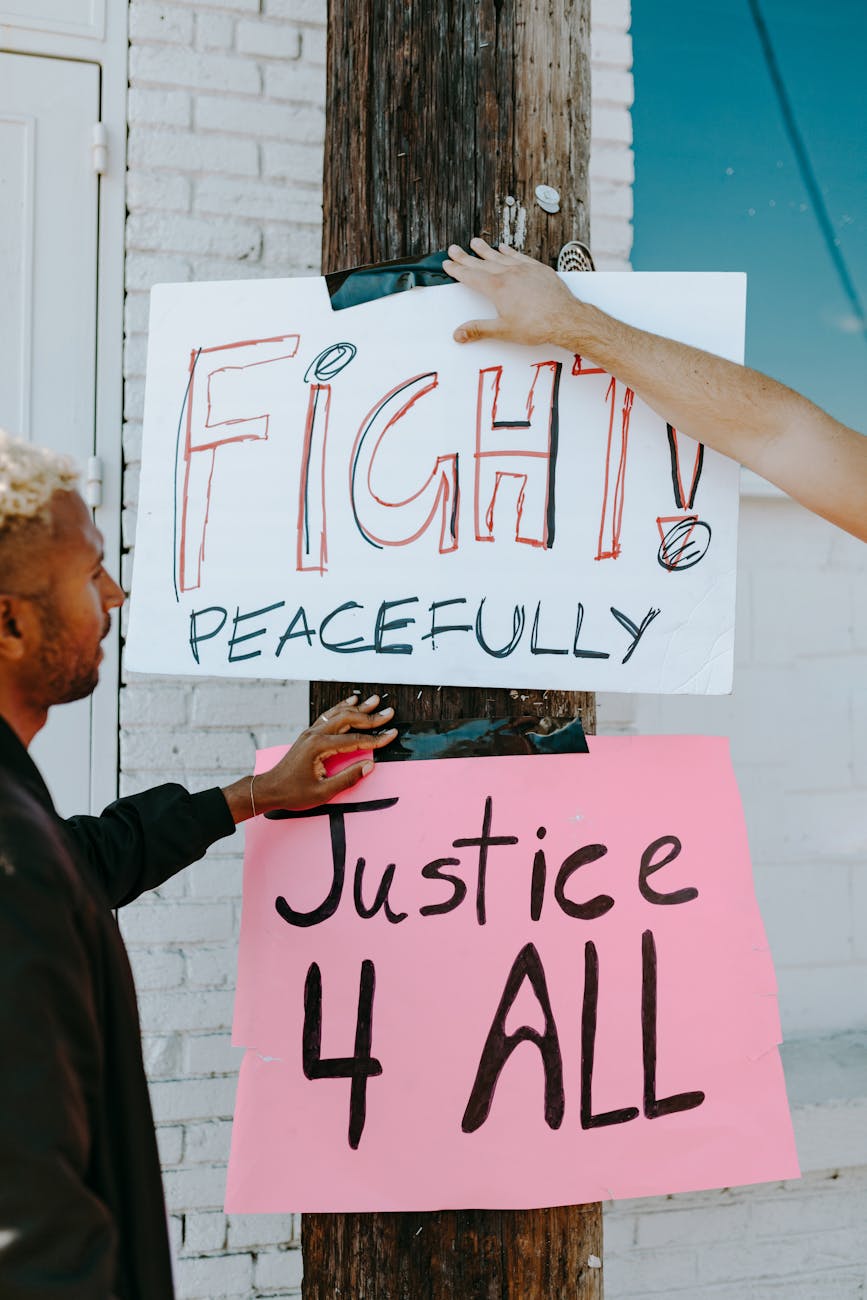
In response to the potential end of TPS for Syrians, community leaders and advocacy groups have mobilized to protect the rights of those affected. Organizations such as the American Civil Liberties Union (ACLU) and various local immigrant advocacy groups are preparing to challenge the decision legally. They argue that the administration’s actions are not only unjust but also counterproductive to American values of compassion and refuge. Advocacy efforts include organizing rallies, raising awareness about the issue, and providing legal support to those facing deportation. The Syrian community, resilient and deeply connected, is rallying together to fight for their rights and push back against what they see as an unjust policy.
The Broader Implications for Immigration Policy
The ramifications of this decision extend beyond the Syrian community. It signals a shift in U.S. immigration policy that could set a precedent for how other immigrant groups are treated. As more countries face crises, the question arises: will the U.S. continue to honor its commitments to provide refuge? The administration’s actions may embolden similar policies targeting other nationalities, leading to a broader crackdown on immigration protections. This shift could have lasting impacts on America’s tradition of offering asylum and support to those in need.
Looking Forward: What Lies Ahead
As the Trump administration prepares to implement this policy, the future for Syrians in the U.S. remains uncertain. Many individuals are left grappling with anxiety about their status, their families, and their futures. The potential for legal battles looms large, and the outcome will likely depend on community advocacy and public sentiment. The ongoing discourse surrounding immigration and humanitarian commitments will continue to evolve, necessitating careful consideration of the values that underpin U.S. policies. In this complex landscape, the stakes are high, not just for Syrians but for the very principles of justice and humanity that America espouses.
Questions
What are the potential legal challenges to this policy change?
How might this decision affect the Syrian community in the U.S.?
What broader implications does this have for U.S. immigration policy?