Trump’s Bold Stance on Urban Unrest
In a striking move that has captured the nation’s attention, President Trump has declared that he is contemplating the use of the Insurrection Act to deploy the National Guard in response to what he describes as a “rebellion” in American cities like Chicago. This statement comes amidst a backdrop of escalating tensions and unrest in various urban areas, raising eyebrows and igniting conversations about the government’s role in civil disturbances.
The Insurrection Act: A Historical Context
The Insurrection Act, steeped in history, allows the President to deploy military forces to suppress civil disorder, insurrection, or rebellion. While it’s a tool meant for extreme situations, the very mention of it brings forth a flurry of implications. Critics argue that invoking such measures could exacerbate already volatile situations, while supporters contend it’s a necessary step to restore order and protect citizens. The discussion about the National Guard’s role in civilian life inevitably stirs up a mix of fear and support, depending on the perspective one holds.
Chicago in the Spotlight
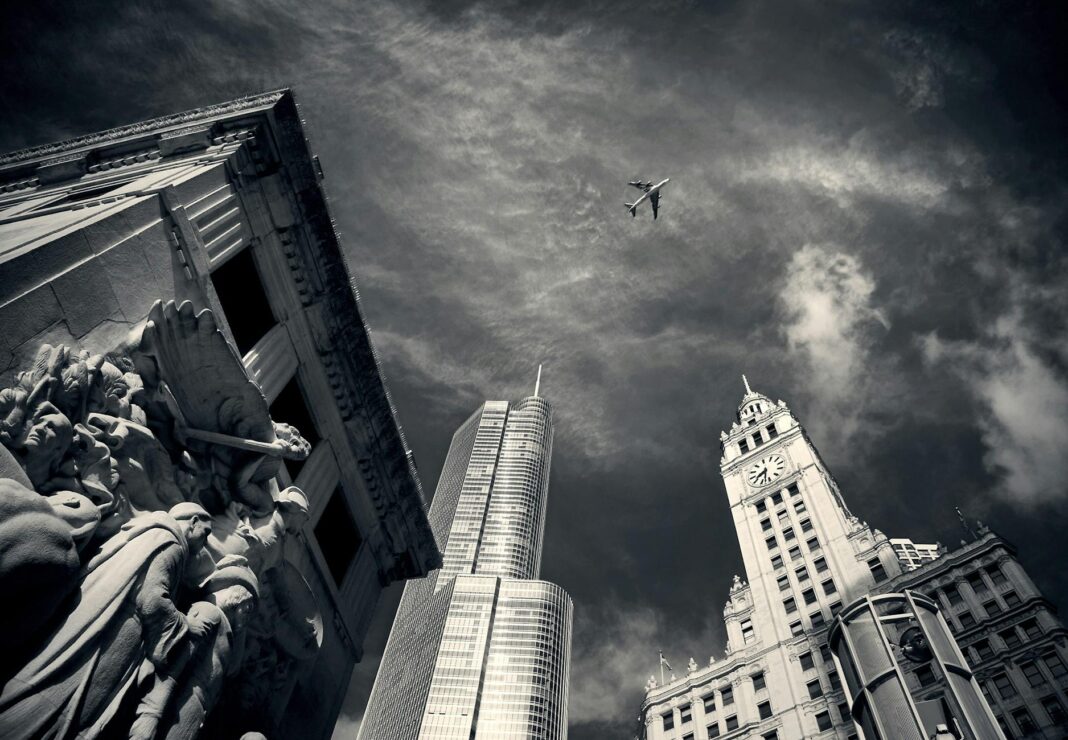
Chicago, a city often at the forefront of discussions about crime and social unrest, has been singled out by Trump as a prime example of where these extraordinary measures might be necessary. The Windy City has faced significant challenges in recent years, from gun violence to civil protests, making it a focal point for national discourse on law enforcement and community relations. Trump’s comments on the city signal a willingness to take decisive action, but they also raise questions about the implications for local governance and civilian safety.
The Public Reaction
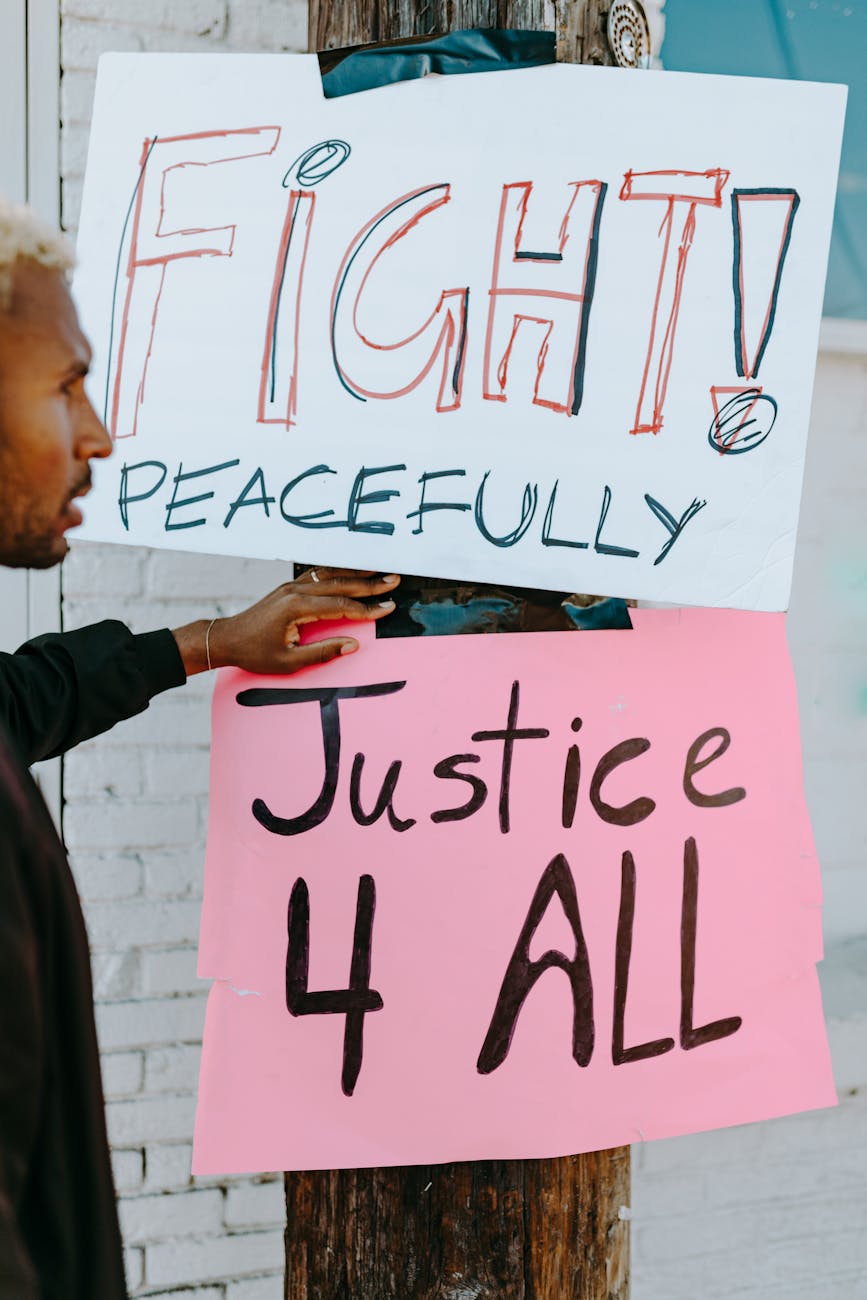
Responses to Trump’s remarks have been mixed. Many residents express frustration over the state of their communities and welcome the idea of federal assistance. Others, however, fear that sending in the National Guard could escalate tensions further, leading to confrontations between armed forces and civilians. The potential for violence looms large, and the public remains divided on whether military intervention is the solution or a recipe for disaster.
Looking Ahead
As the situation develops, the implications of these decisions will be closely monitored. The balance between maintaining order and respecting citizens’ rights is a delicate one, and any misstep could have lasting repercussions. The presidency is in a unique position to influence the course of these urban issues, and the actions taken will likely resonate beyond the immediate crisis, shaping public sentiment and policy for years to come.
Questions
What are the potential consequences of deploying the National Guard in cities?
How can local governments effectively manage unrest without federal intervention?
What role should the federal government play in local civil disturbances?