Immediate Call-Up of National Guard in Illinois
President Trump has ordered the immediate deployment of up to 300 members of the Illinois National Guard. This directive arrives amid growing concerns over security threats surrounding Immigration and Customs Enforcement (ICE) facilities and other significant buildings in the region. The memo detailing this deployment was sourced from Defense Secretary Pete Hegseth, emphasizing the administration’s proactive approach to managing potential unrest.
Details of the Deployment
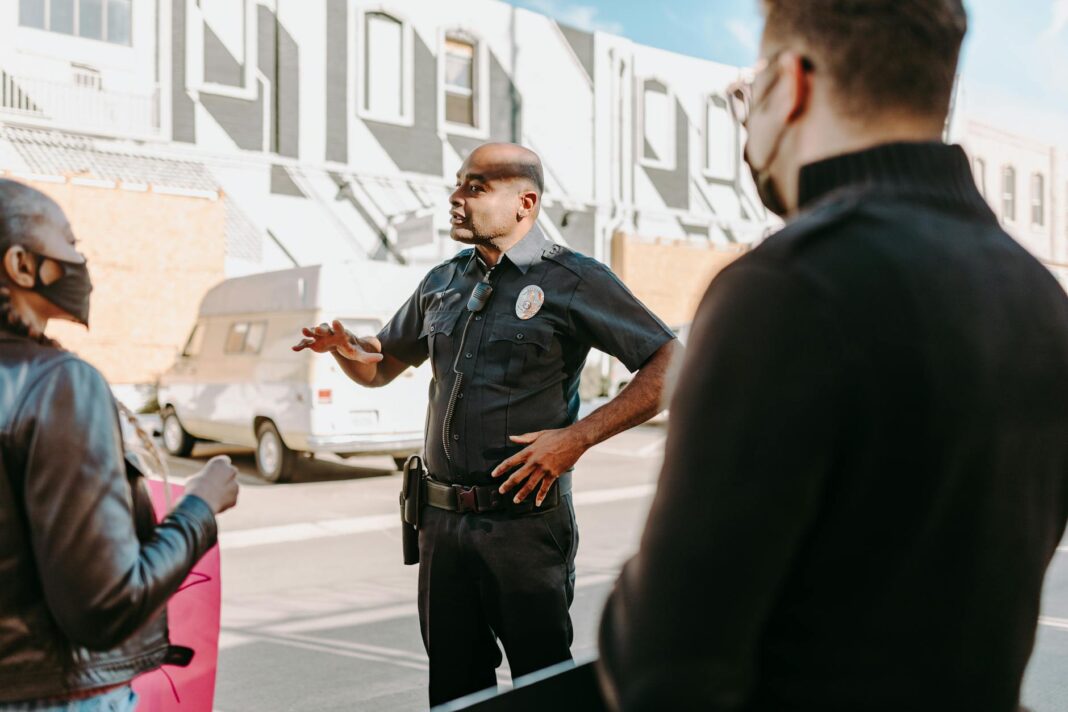
The National Guard will be activated for a two-month period, tasked with protecting key infrastructure and personnel from potential unrest or protests. This deployment is set to commence “effective immediately,” reflecting a sense of urgency within the administration to safeguard ICE operations. The Guard’s role will involve maintaining peace in and around ICE facilities, which have become focal points for protests and demonstrations in recent months.
Context of the Decision
The move to call in the National Guard is not without precedent. Similar deployments have occurred in various states when local law enforcement agencies faced overwhelming challenges. This strategy highlights a pattern of escalating federal involvement in local security matters, particularly in contexts involving immigration enforcement. The rationale behind this decision lies in the belief that federal authorities need robust backing to maintain order and protect personnel who play crucial roles in enforcing immigration laws. By mobilizing the National Guard, the government aims to deter any disturbances and ensure that ICE operations can continue without interruption.
Reactions and Implications
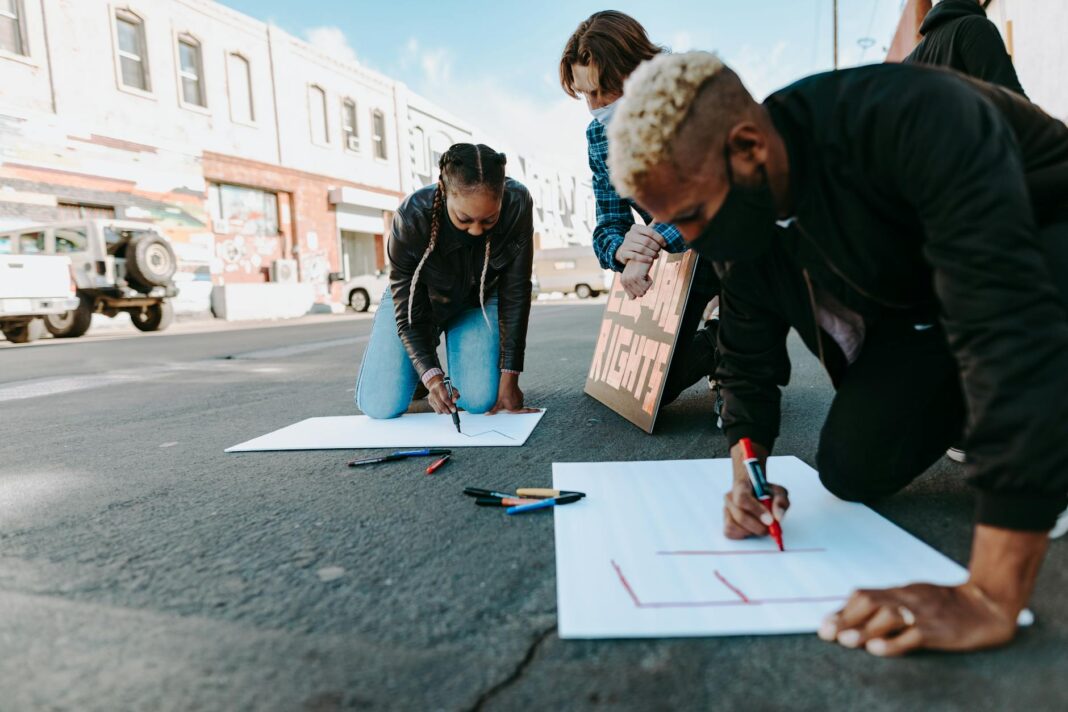
Reactions to the deployment have been varied, reflecting a deeply divided public opinion on immigration and law enforcement. Community leaders and activists have raised alarms about the potential for increased tensions and confrontations between the National Guard and protesters. Critics argue that deploying military personnel to manage civilian protests could escalate conflicts rather than mitigate them. They fear that such actions may further alienate communities already wary of federal enforcement agencies.
On the other hand, supporters of the deployment contend that law enforcement and immigration officials require adequate protection to perform their duties effectively. They argue that the presence of the National Guard is essential in ensuring the safety of ICE personnel who face heightened risks in a politically charged environment. This duality underscores the complexities of policing and immigration enforcement in contemporary America.
Historical Context
The decision to deploy the National Guard also prompts a look back at historical instances where military forces have intervened in domestic affairs. From the civil rights movement to responses to riots and protests, the deployment of the National Guard has often been contentious. Many recall the tensions that arose when troops were called in to quell disturbances, raising concerns about civil liberties and the militarization of public safety. As America grapples with debates surrounding immigration and law enforcement, these historical precedents loom large over current actions.
Looking Ahead
The implications of this National Guard activation extend beyond immediate security concerns. It raises critical questions about the role of military forces in domestic law enforcement and the ongoing debates surrounding immigration policies in the U.S. As the situation unfolds, it will be essential to monitor how this deployment impacts community relations, perceptions of safety, and operational effectiveness at ICE facilities. The long-term effects of this call-up may shape future policies and strategies regarding immigration enforcement and federal involvement in local matters.
Questions
What are the potential impacts of deploying the National Guard on community relations?
How might this decision influence future immigration policy and enforcement strategies?
What measures can be taken to ensure peaceful interactions between the National Guard and protesters?