Trump’s Controversial Move to Deploy National Guard in Chicago
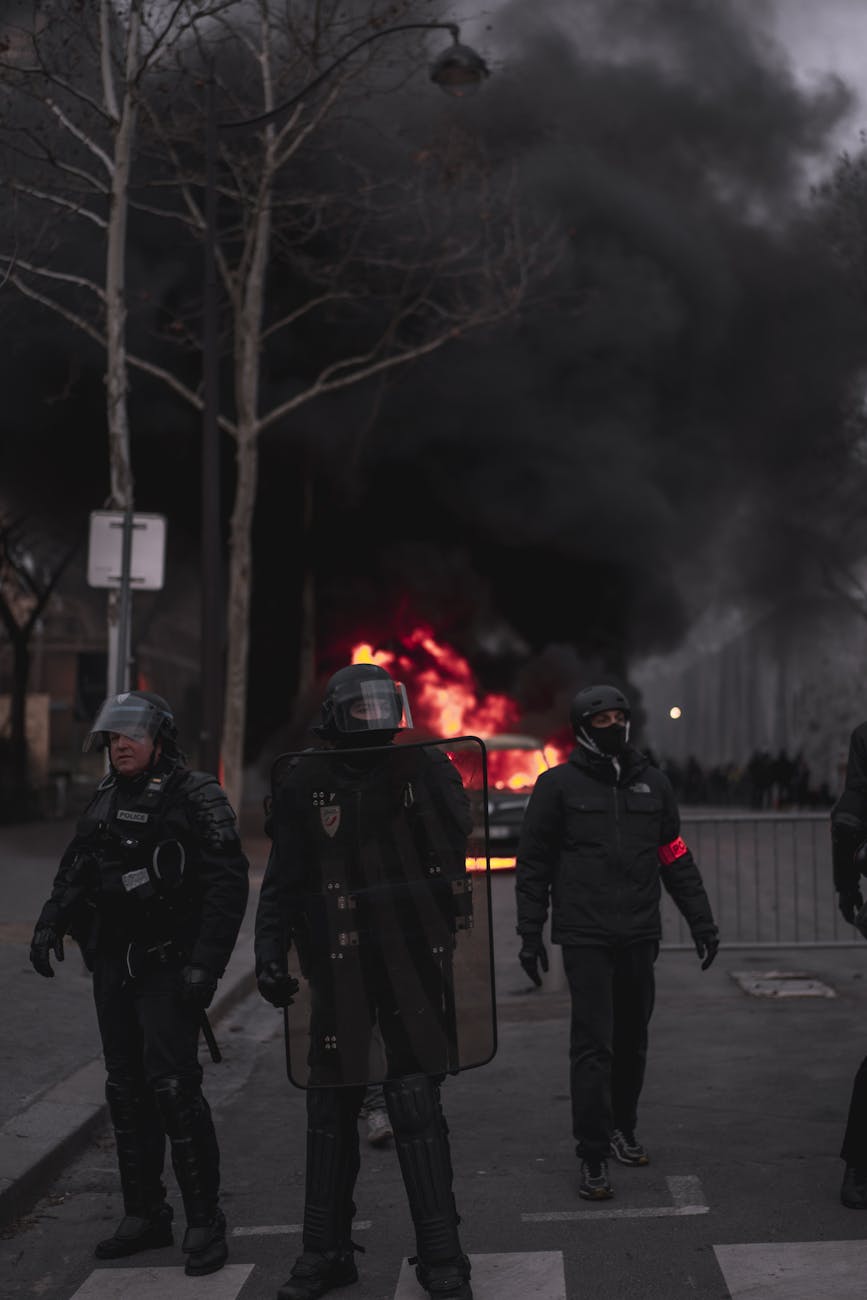
In a bold and contentious decision, President Trump has ordered the deployment of National Guard troops to Chicago, aiming to restore order amidst escalating violence and unrest. The announcement has sparked a whirlwind of reactions, particularly from Illinois Governor J.B. Pritzker, who has vehemently condemned the president’s actions. The backdrop to this deployment is a city grappling with significant civil unrest, spurred by a mix of social issues, crime, and protests that have often turned violent.
The Rationale Behind the Deployment
Trump’s administration argues that the National Guard’s presence is essential to quell what they describe as “violent riots and lawlessness.” This intervention comes at a time when Chicago has seen surges in crime rates, and local law enforcement has struggled to maintain control. The federal government is positioning this move as a necessary step to protect citizens and restore peace, framing it as a proactive measure rather than a reactive one.
Local Response: A Mixed Bag
Governor Pritzker, representing the state’s Democratic leadership, has not held back in his criticism. He claims that the deployment undermines local authority and could exacerbate tensions rather than alleviate them. Pritzker’s perspective reflects a significant concern among many local leaders who feel that federal intervention is not the solution. They argue that such measures can further polarize communities and instill fear rather than foster cooperation and healing.
The National Guard’s Role in Urban Unrest
Historically, the National Guard has been called upon during times of civil unrest, often serving as a stabilizing force. However, the optics of military presence in urban areas can send mixed signals. Critics point out that deploying troops can escalate situations, leading to confrontations between protesters and military personnel. The question remains: will the National Guard act as a peacekeeping force, or will their presence inflame existing tensions?
The Bigger Picture: National Guard Deployments
This isn’t the first time federal troops have been dispatched to combat civil unrest in American cities. The decision reflects broader issues within the country regarding race, law enforcement, and public safety. As cities like Chicago continue to face challenges, the ongoing debate over the role of military authority in civilian spaces remains unresolved. The effectiveness of such deployments is still under scrutiny, with outcomes often varying based on local dynamics and the nature of the unrest.
Questions
What are the potential risks of deploying the National Guard in Chicago?
How might local communities respond to the presence of military personnel?
Is federal intervention a viable solution to urban unrest, or does it create more problems?