Trump’s Bold Move Against Liberal Organizations
In a striking shift in federal policing, former President Donald Trump has called on federal law enforcement to launch investigations into various liberal groups. This directive comes as Trump amplifies his rhetoric against left-leaning organizations, framing them as threats to national security. In this latest political maneuver, Trump has singled out billionaire philanthropist George Soros, a frequent target of conservative criticism, as a key figure in this alleged conspiracy of domestic terrorism.
The Rationale Behind the Investigations
The rationale for these investigations centers around claims that certain liberal groups engage in activities that undermine public safety and societal norms. Trump’s administration has consistently portrayed such organizations as radical and dangerous, suggesting they have crossed the line from peaceful protest to inciting violence. FBI Director Kash Patel echoed this sentiment, stating, “We are properly going to chase them down like the domestic terrorists that they are.” This rhetoric sets a dramatic tone for what could be a significant escalation in the federal response to perceived threats from the left.
Implications for Civil Liberties and Political Discourse
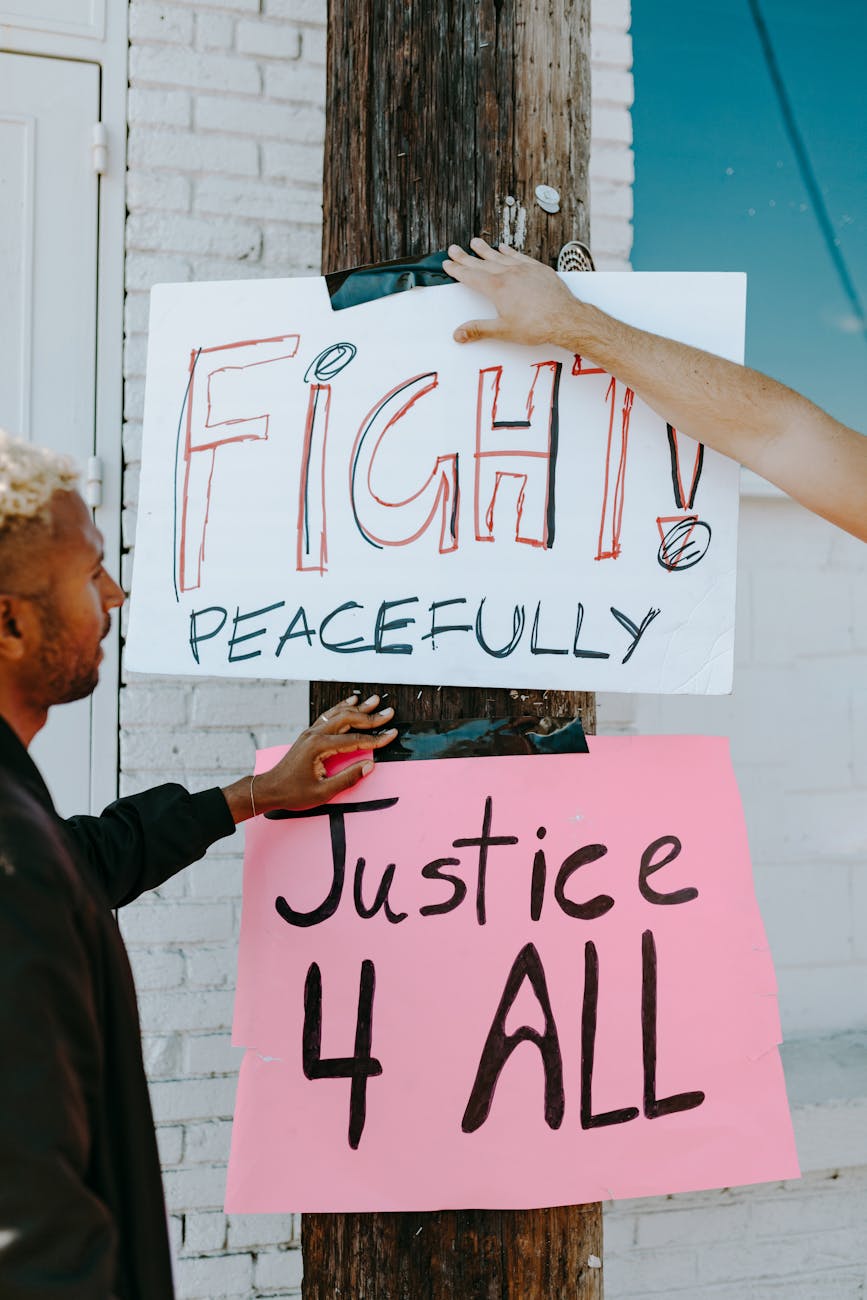
These developments raise serious questions about civil liberties and the boundaries of political discourse in the United States. Critics argue that labeling liberal groups as domestic terrorists could lead to a chilling effect on free speech and peaceful assembly. The fear is that such investigations may not only target individuals and organizations that engage in lawful protest but may also intimidate others from expressing dissenting opinions. The potential for abuse of power in these investigations is a concern that many civil rights advocates are closely monitoring.
The Reaction from Liberal Groups and Activists
Liberal groups have responded vehemently, framing Trump’s directive as an attack on democracy itself. They argue that targeting organizations based on their political beliefs undermines the very foundation of free expression. Activists and advocacy groups have vowed to stand firm against what they see as an overreach by federal authorities. They are preparing legal challenges and mobilizing grassroots support to counteract any punitive measures that might arise from these investigations.
What’s Next in This Ongoing Saga?
As this situation unfolds, all eyes will be on the federal agencies tasked with carrying out these investigations. The balance between national security and civil liberties will be tested, and the political ramifications could ripple through the upcoming election cycles. The discourse around political dissent and how it is handled by federal law enforcement is likely to become a hot-button issue, influencing voter sentiment and activism.
Questions
What measures will be taken by federal law enforcement in these investigations?
How might this directive affect the political landscape leading into the next election?
What are the potential implications for free speech and civil liberties?