Trump’s Bold Suggestion to Military Leaders
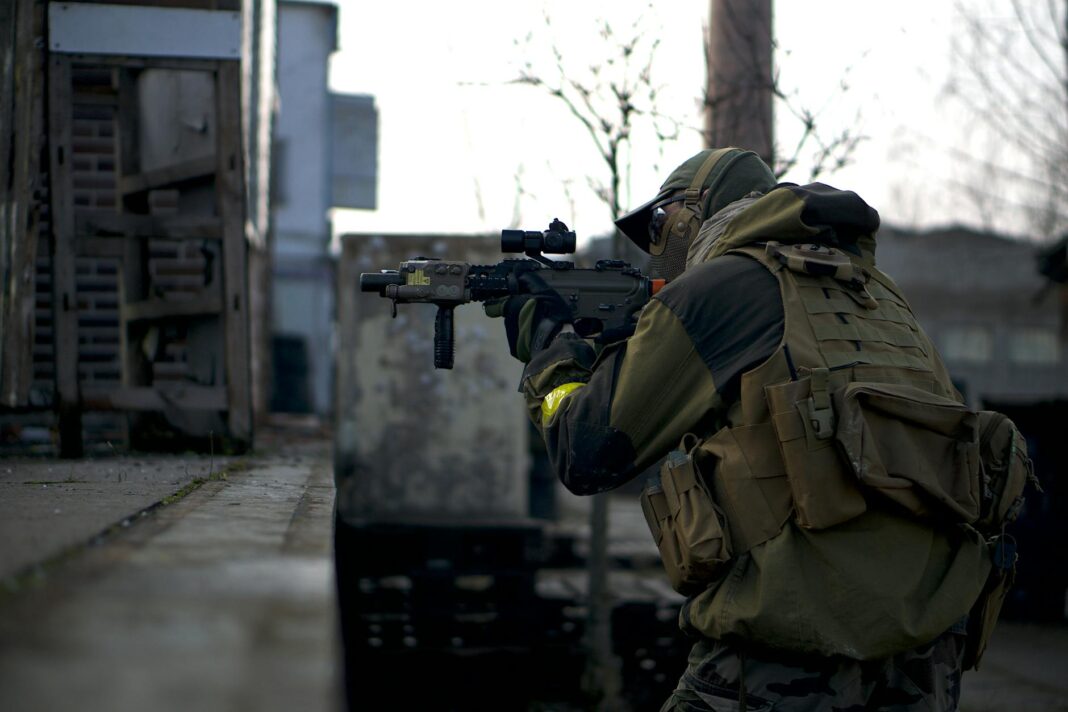
In a striking move, former President Donald Trump proposed that the U.S. military utilize urban environments as training grounds, specifically targeting what he labeled as “dangerous” cities across the nation. This provocative suggestion was made during a discussion with military leaders, where Trump underscored the necessity of preparing for threats he perceives as coming from “the enemy from within.” His statement reflects an ongoing narrative often echoed by Trump, focusing on domestic unrest and the urgent need for heightened military readiness against perceived internal dangers.
The Context Behind the Proposal
Trump’s comments come at a time when the U.S. faces significant social and political upheaval. His administration often framed these tensions in military terms, suggesting that unrest in cities could be indicative of a larger threat to national security. By proposing that the military conduct training in urban settings, Trump is not only addressing concerns about crime rates but also tapping into fears about civil disorder. This approach raises critical questions about how the military perceives its role within the fabric of American society.
Implications of Military Training in Urban Areas
The idea of conducting military exercises in U.S. cities presents both opportunities and significant risks. Proponents might argue that urban training could enhance the military’s readiness for real-world scenarios, especially in today’s complex security landscape. Training in environments that mirror potential conflict zones could better prepare troops for challenges they might face in urban warfare, as seen in various global conflicts. However, critics raise concerns about the implications for civil rights and the potential for escalating tensions between civilians and military personnel. The very presence of military forces in urban areas can be seen as an act of aggression or intimidation, which could lead to heightened anxiety among civilian populations.
Public Reaction and Potential Consequences
The public’s response to Trump’s proposition has been mixed. Some citizens express support for increased military preparedness, particularly in areas facing high crime rates or civil unrest. They argue that the military could bring a level of discipline and control that local police forces might struggle to achieve. However, others view this approach as an infringement on local governance and community safety, fearing that it could lead to militarization and a breakdown of trust between citizens and law enforcement. The potential for violence and misunderstanding looms large, especially in cities already grappling with issues of systemic racism and police brutality.
Historical Context of Military Urban Operations
Historically, there have been instances where military forces have engaged in urban operations, but these have typically occurred in foreign contexts or during national emergencies. The concept of training in American cities is unprecedented, raising questions about the role of the military in domestic affairs. For example, during the 1992 Los Angeles riots, the National Guard was deployed to restore order, but their presence was met with mixed reactions and highlighted the complexities of military intervention in civilian life. The potential for misuse or misunderstanding of military presence looms large, emphasizing the need for careful consideration and clear guidelines. If military training were to become commonplace in U.S. cities, it could lead to a normalization of military presence in civilian contexts, fundamentally altering the relationship between the military and society.
Conclusion: A Divisive Proposal
Trump’s proposal to use American cities as military training grounds is a contentious issue that taps into broader themes concerning national security, civil liberties, and the military’s role in society. This suggestion not only reflects a shift in how domestic security is viewed but also challenges the foundational principles of civilian control over the military. As this conversation unfolds, it is crucial for all stakeholders to engage thoughtfully in the dialogue about the future of military operations within the United States. The balance between ensuring safety and protecting civil liberties is delicate, and the implications of such a policy could resonate for generations.
Questions
What are the potential risks of military training in urban environments?
How might this proposal affect the relationship between civilians and military personnel?
What historical precedents exist for military operations within U.S. cities?