Trump’s Bold Military Proposal for Domestic Cities
In a striking address aimed at military leaders, former President Donald Trump laid out his intentions to ramp up the use of military forces within U.S. cities. This announcement sends waves through both the political landscape and public discourse, sparking debates about the role of the military in civilian life. As he hinted at a more aggressive posture, Trump’s words resonate with those who feel that urban America is in crisis.
Trump’s comments come at a time when urban areas are grappling with various challenges, from rising crime rates to civil unrest. Cities like Chicago, Portland, and Seattle have seen their fair share of protests, clashes, and violence. By suggesting a greater military presence, Trump is positioning himself as a tough-on-crime candidate who believes in using every available resource to restore order. This approach, however, raises significant questions about the implications for civil liberties and community relations.
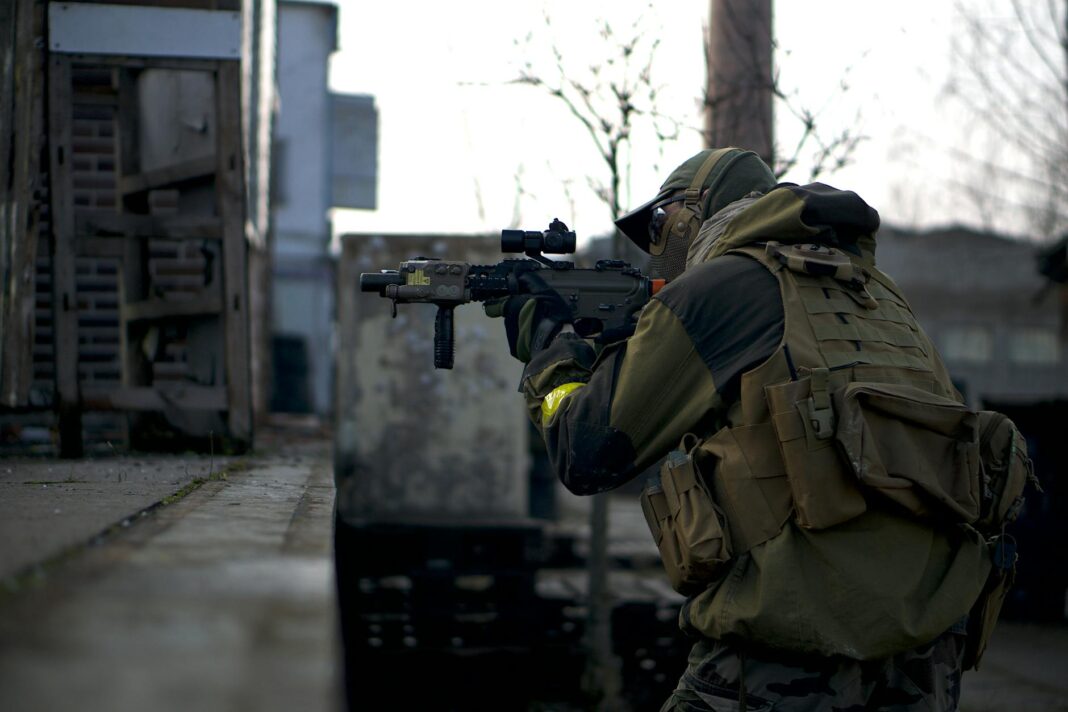
The military has historically been kept at arm’s length from domestic law enforcement duties, a principle rooted in the desire to prevent the abuse of power. Trump’s proposal could be seen as a radical departure from this long-standing norm. Critics argue that deploying the military in civilian spaces may escalate tensions rather than alleviate them, potentially leading to confrontations between citizens and armed forces that would only exacerbate the problems they aim to solve.
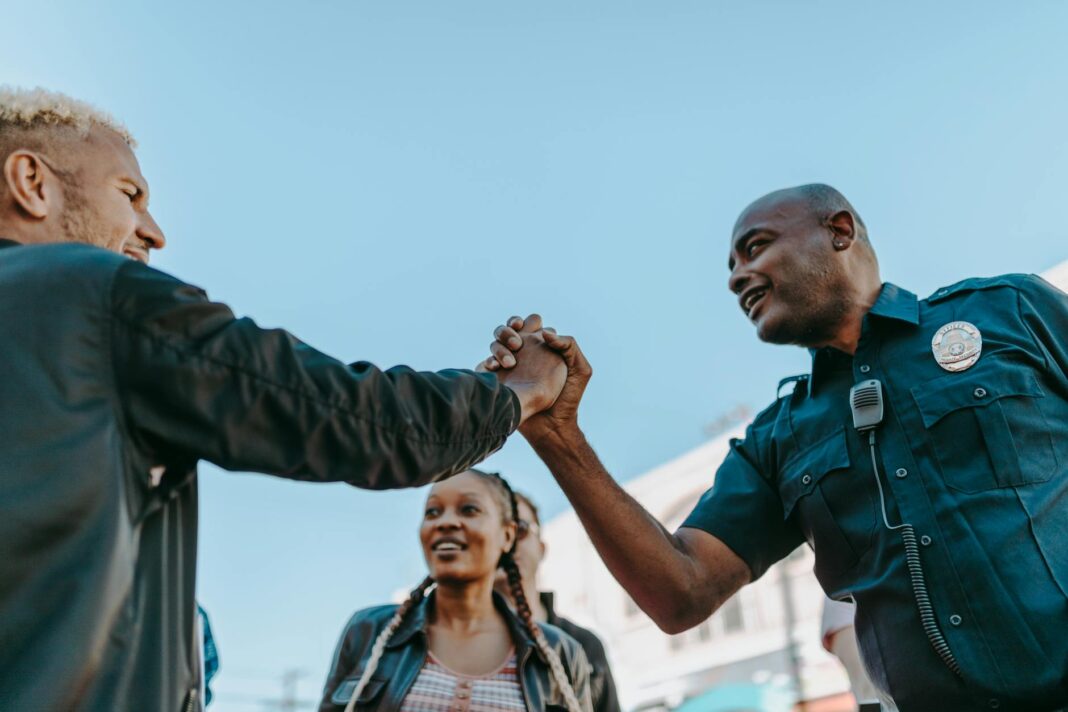
Supporters of Trump may view this strategy as a necessary response to the perceived failures of local law enforcement to maintain order. They argue that when local agencies are overwhelmed, the military could serve as a stabilizing force. However, the effectiveness of this approach remains to be seen, particularly considering the complex dynamics of policing and community relations. In many cases, it is not merely the presence of law enforcement that instills order; it is the trust and cooperation between the community and those tasked with maintaining it.
Moreover, the announcement raises crucial questions about accountability. Introducing military personnel into cities may blur the lines of responsibility, making it difficult to hold anyone accountable for actions taken during operations. The potential for militarization of policing is a slippery slope that many fear could lead to a more authoritarian approach to governance. What happens when military forces, trained for combat, are deployed in civilian settings? The risk of excessive force and misunderstanding is high, and history has shown us that the consequences can be dire.
As Trump navigates this controversial proposal, public reaction will likely influence its implementation. Citizens across the political spectrum will need to weigh the benefits of enhanced security against the risks of increased military presence in their neighborhoods. The discourse surrounding this topic will undoubtedly continue to evolve and ignite passionate conversations about the future of policing and public safety in America. Many will demand effective solutions, but how far are they willing to go to achieve them?
There are also broader implications to consider. The use of military in domestic settings could set a precedent that reshapes the relationship between citizens and their government. Are we willing to accept a reality where the armed forces patrol our streets, or is there a better way to address the challenges facing our cities? The conversation is not just about crime; it’s about the very fabric of our democracy and how we envision the role of government in our daily lives.
Questions
Do you think the military should be used in domestic policing? Why or why not?
How might increased military presence affect community relations in urban areas?
What alternatives could be considered to address crime in cities without military involvement?