

Unpacking Trump’s Uncertainty on Portland’s Military Strategy
In a surprising twist, former President Donald Trump appears to be reevaluating his approach to the unrest in Portland, Oregon. During a recent interview, he expressed confusion over the stark contrast between what he sees on television and the reality on the ground. His comments raise questions about the consistency and clarity of the federal government’s response to civil unrest in American cities, especially given the heightened tensions that have been prevalent since the summer of 2020.
The Context of His Comments
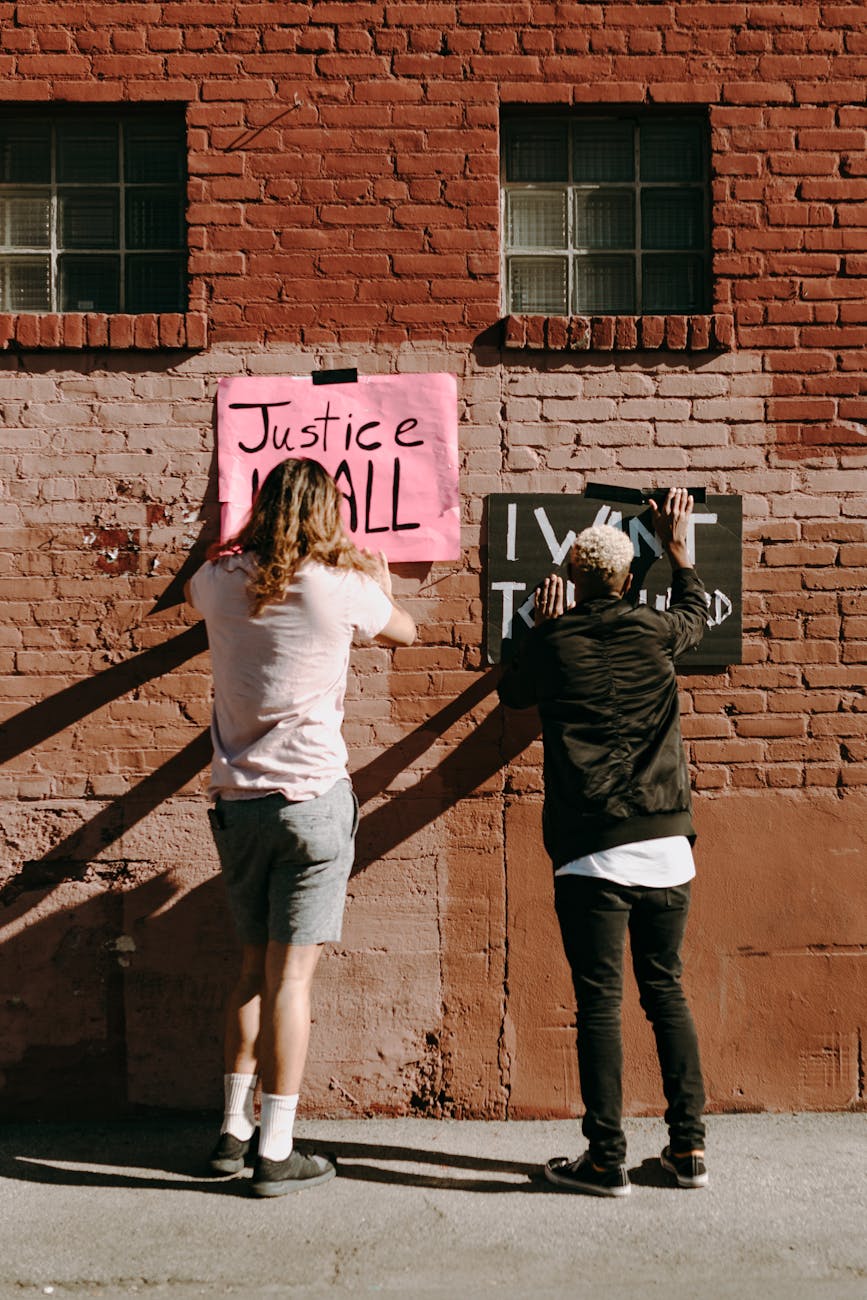
Portland has been at the center of protests and unrest, particularly regarding issues of racial justice and police reform. The city has experienced weeks of demonstrations, some of which have escalated into violent confrontations between protesters and law enforcement. Trump’s administration had previously indicated a willingness to deploy military forces to quell the disturbances, framing the situation as a matter of national security. However, his latest remarks suggest a possible shift in strategy or at least a moment of reflection. “Am I watching things on television that are different from what’s happening?” he questioned, hinting at a disconnect between media narratives and actual events.
Public Reaction and Implications
This development has sparked debates among political analysts and citizens alike. Some see it as a sign of weakness, while others interpret it as a pragmatic reassessment of the situation. The former president’s fluctuating stance could undermine his credibility, especially among his supporters who expect decisive action. The implications for law enforcement tactics and community relations are significant, as mixed signals can create confusion among police forces and the communities they serve. Furthermore, the potential for a more strategic approach may be welcomed by local leaders who have been advocating for de-escalation and dialogue rather than military intervention.
The Role of Media in Shaping Perceptions
Trump’s comments also underscore the power of media in shaping public perception. The media landscape is rife with varying narratives, and what people consume can greatly influence their understanding of events. News outlets often have their own slants, and social media can amplify misleading or exaggerated accounts of protests and violence. The former president’s disillusionment suggests he may be acknowledging this reality, albeit reluctantly. Whether or not this leads to a more measured approach to handling unrest remains to be seen, but it’s clear that the portrayal of events in the media has a significant impact on political discourse.
Looking Ahead
As the situation in Portland continues to evolve, it’s crucial for leaders to strike a balance between maintaining order and respecting civil rights. Trump’s wavering stance serves as a reminder that political decisions often come under scrutiny, especially when they seem to contradict public sentiment or established facts. The need for clear communication from government officials has never been more critical. Moving forward, it will be essential for both local and federal leaders to formulate coherent strategies that prioritize community safety and engage with citizens rather than resorting to heavy-handed tactics.
Questions
What are the potential consequences of Trump’s changing stance on Portland?
How does media portrayal affect public perception of civil unrest?
Will this uncertainty influence future responses to protests across the country?