Trump’s New Memorandum
On Thursday, President Donald Trump made headlines by signing a presidential memorandum aimed at escalating investigations into organizations suspected of supporting political violence. The timing of this directive is significant, as political tensions in the United States have reached unprecedented levels. The memorandum reflects the administration’s intention to take a hardline stance against groups perceived as threats to civil order. This initiative is not just a political maneuver; it is also a reflection of the growing concern over the rising tide of extremism in various forms, including both left-wing and right-wing factions.
Concerns Over Targeting Political Opponents
While the intention behind the memorandum may be to safeguard national security, critics are expressing alarm over its potential misuse. The broad and somewhat ambiguous language within the document raises concerns that it could be wielded as a weapon against political opponents. The fear is that this directive might become a tool for silencing dissent, particularly among groups that challenge the current administration’s narrative. The chilling effect on free speech could be significant, as individuals and organizations might self-censor to avoid scrutiny or legal repercussions.
The Political Climate
The political climate in the U.S. is already fraught with divisions, and Trump’s memorandum adds another layer of complexity. On one hand, proponents of the directive argue that it is essential to combat the alarming rise of political violence, which has manifested in various forms, including protests that have turned violent, threats against public officials, and organized hate groups. Supporters view this as a necessary measure to restore order and protect democratic institutions. On the other hand, opponents are concerned that such measures could further polarize the nation and exacerbate the very issues they aim to resolve. The challenge lies in finding a balanced approach that addresses the root causes of political violence without infringing on civil liberties.
Public Reaction
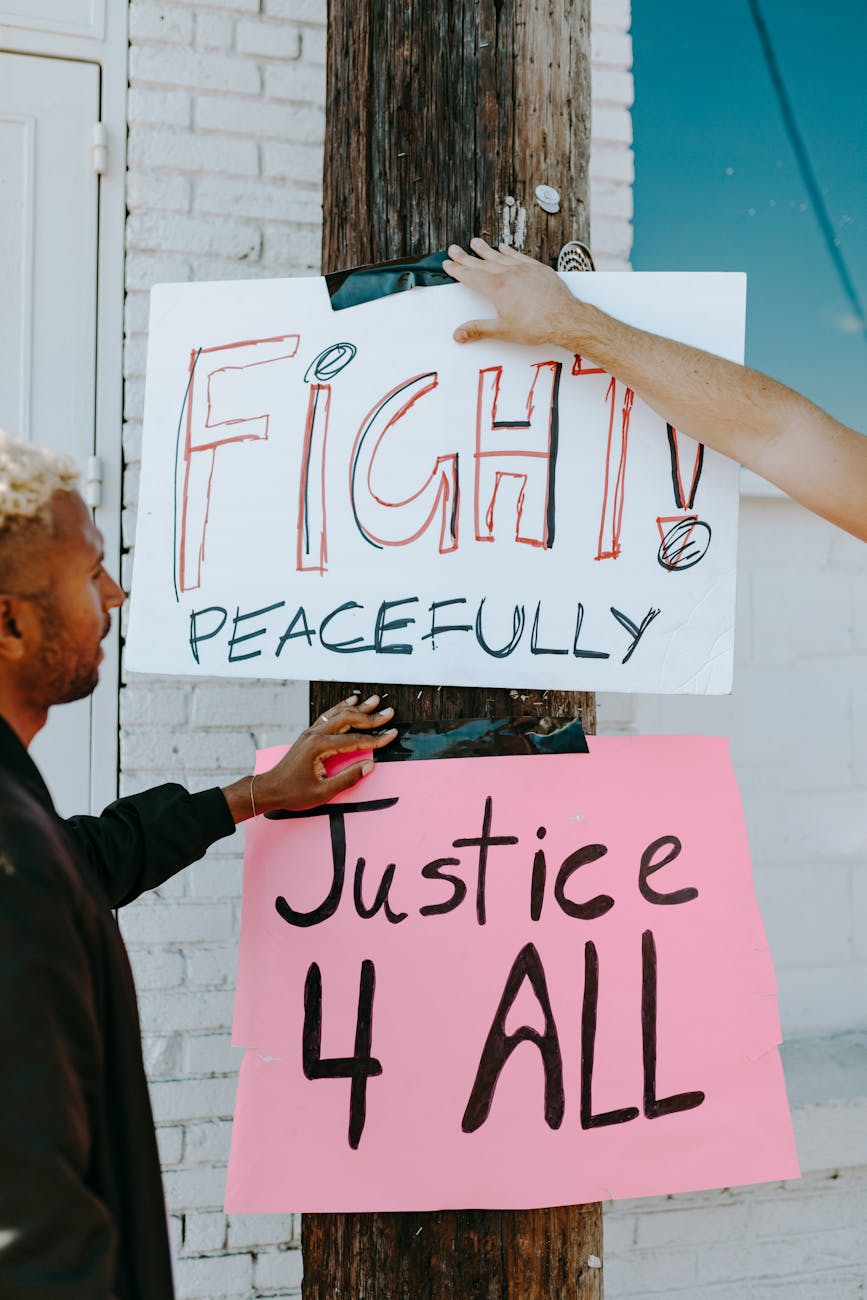
The public’s response to Trump’s memorandum has been decidedly mixed. Supporters are rallying around the idea that strong measures are required to ensure safety and security in a time of chaos. They argue that the government has a responsibility to protect its citizens from groups that incite violence and disrupt civic order. However, for many Americans, the specter of government overreach looms large. There is a palpable fear that this memorandum could lead to the targeting of peaceful protestors or activists who are simply exercising their right to free speech.
Implications for Civil Liberties
The implications of this memorandum extend beyond immediate political concerns. It raises fundamental questions about civil liberties and the role of government in regulating dissent. The First Amendment protects the right to free speech, yet the administration’s actions could set a precedent for limiting that right under the guise of national security. This delicate balance is crucial; too much government intervention can lead to a slippery slope where fear drives policy, and the rights of citizens are compromised.
Looking Ahead
As investigations into these groups ramp up, the real impact of Trump’s memorandum will become clearer. Will it bring accountability to those engaging in violence, or will it simply serve as another tool for political leverage? The coming months will likely reveal whether the memorandum effectively addresses the growing concerns of political violence or if it merely ignites further division within the American populace. The trajectory of this initiative could have lasting implications for the political landscape, influencing how future administrations approach the delicate balance between security and freedom.
Questions
What do you think are the potential consequences of this memorandum for political discourse?
Do you believe this initiative will effectively target those engaged in political violence, or is it more about consolidating power?
How should the government navigate the fine line between ensuring safety and protecting civil liberties?