Trump Takes Aim at Domestic Terrorism
In a bold move, President Trump has signed a memorandum that aims to address the rising concerns surrounding domestic terrorism in the United States. This action comes amid a backdrop of increasing tensions and fears of a crackdown on left-wing movements. The president has been vocal in his criticism of what he describes as “anarchists and agitators,” setting the stage for a potential legal showdown as this memo is expected to face fierce pushback in the courts.
Context of Domestic Terrorism Concerns
The growing prevalence of domestic terrorism has become a hot-button issue, with various groups on both ends of the political spectrum being scrutinized. Trump’s administration has been particularly focused on left-wing activism, which they claim has been responsible for significant unrest across the nation. This memo is an attempt to galvanize law enforcement and intelligence agencies to take a more aggressive stance against what they label as domestic threats.
Implications of the Memo
By signing this memorandum, Trump is not just making a political statement; he is also potentially altering the legal landscape surrounding domestic terrorism. The implications of such a directive could be far-reaching, impacting how law enforcement agencies prioritize their resources and approach investigations. Critics argue that this could lead to overreach and a chilling effect on legitimate dissent, while supporters claim it’s a necessary step to ensure public safety.
Legal Challenges Ahead
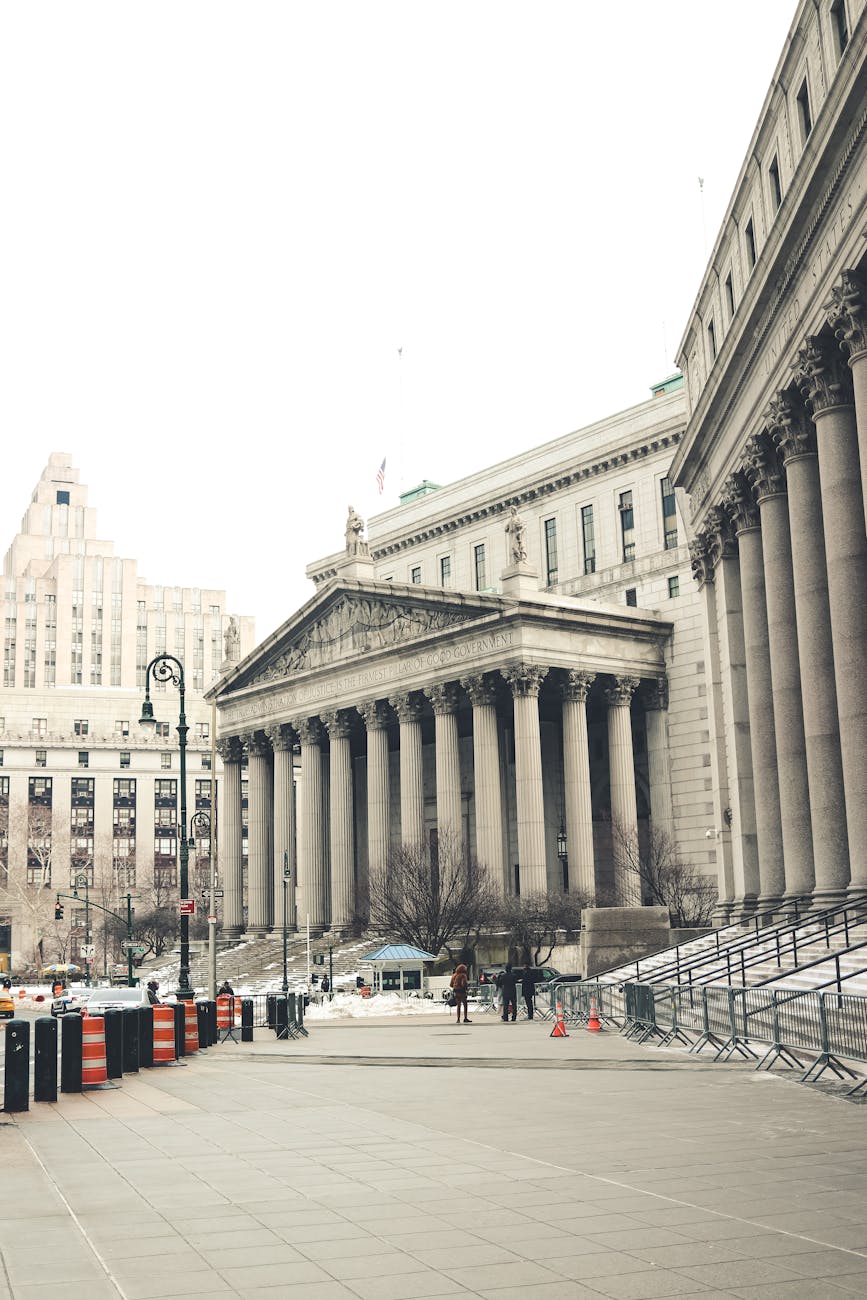
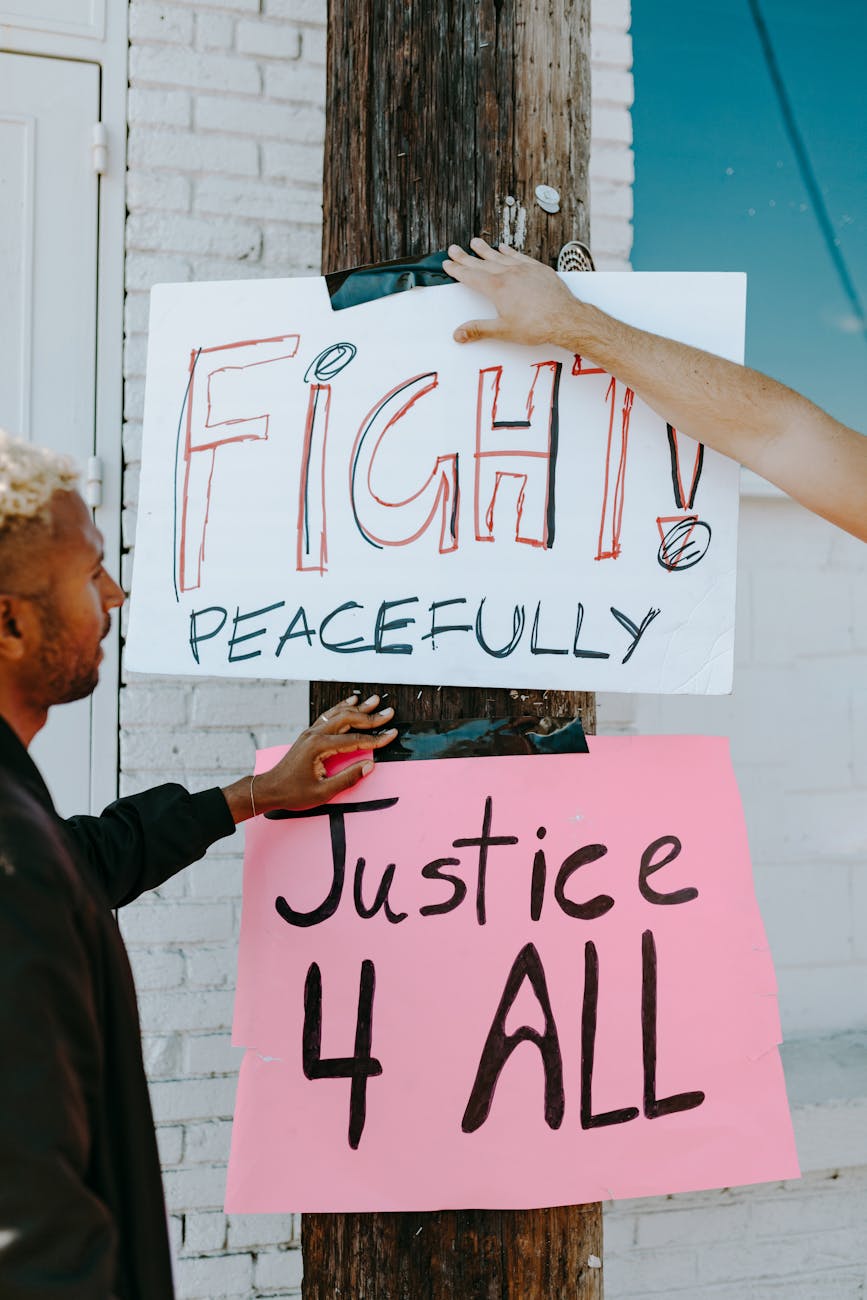
As with many of Trump’s initiatives, this memo is likely to face significant legal challenges. Civil liberties advocates are already gearing up to contest the broad definitions and potential misuse of such policies. The First Amendment rights of citizens could be at stake, as the line between legitimate protest and domestic terrorism becomes increasingly blurred. Expect a fierce battle in the courts as various stakeholders weigh in on the constitutionality of the memo.
The Future of Domestic Policy
This memorandum could signal a shift in how domestic policy is crafted and executed moving forward. With the political climate as charged as it is, the ramifications of this action may extend beyond mere legal battles. It could redefine how movements are monitored, how protests are policed, and ultimately how citizens engage with their government. The coming months will be pivotal as the implications of this memo unfold.
Questions
What specific actions will law enforcement take in response to this memo?
How might this affect the balance between security and civil liberties?
What legal arguments are likely to be raised against the memo?