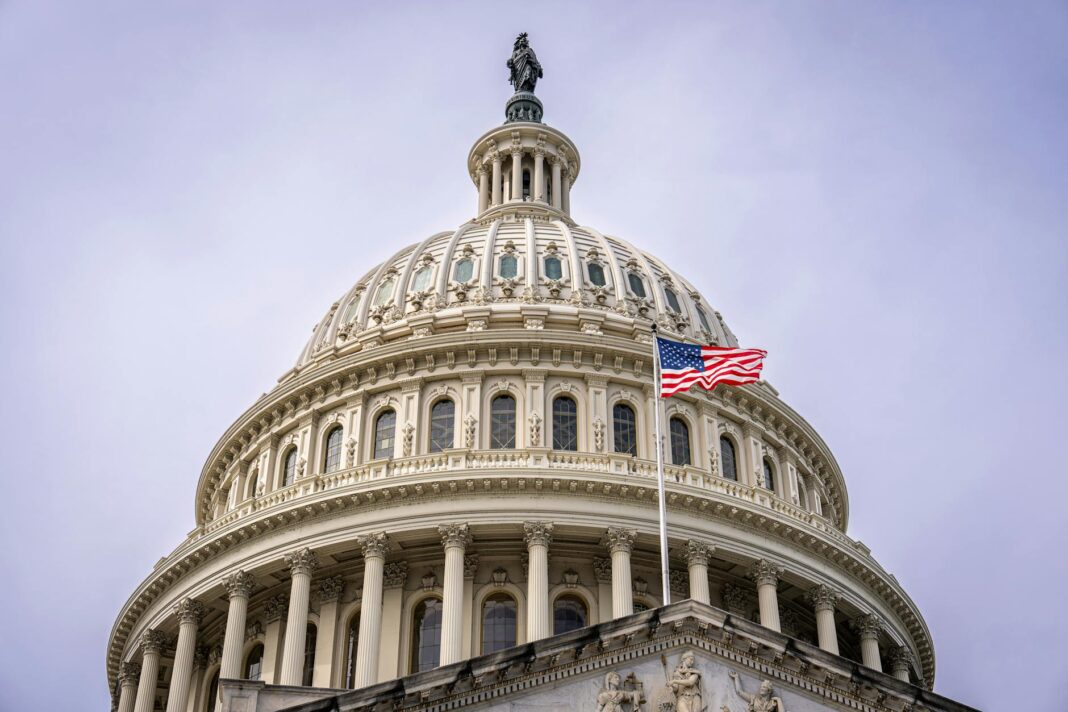
The Stakes of a Government Shutdown
As we inch closer to a potential government shutdown, the air is thick with uncertainty. A shutdown occurs when Congress fails to pass funding legislation for the federal government. This leads to a halt in non-essential operations, affecting various sectors from national parks to federal agencies. The implications reach far beyond just inconveniences; they can disrupt services that millions of Americans rely on daily.
What Triggers a Shutdown?
Government shutdowns typically arise from political gridlock. In recent years, we’ve seen lawmakers clash over budget proposals, often rooted in ideological differences. The current standoff centers around funding disagreements, with critical issues left unresolved. When negotiations fall apart, the clock runs out, and the government is forced to close its doors.
Impact on Federal Employees and Services
One of the most immediate consequences of a shutdown is the impact on federal workers. Hundreds of thousands may be furloughed, meaning they’re sent home without pay. Those deemed essential will still work, but uncertainty looms over their compensation. This situation not only creates financial stress for families but also disrupts the vital services these employees provide, from social security checks to safety inspections.
Public Response and Political Fallout
Public sentiment can quickly turn sour during a shutdown. People feel the pinch when their favorite park closes or when they can’t access necessary government services. Political leaders must navigate this volatile landscape carefully, as public opinion can shift dramatically. The fallout from a shutdown can have long-term effects, influencing upcoming elections and party standings.
The Role of Leadership in Resolution
Leadership plays a crucial role in steering negotiations away from the brink of a shutdown. Strong, decisive action is often necessary to bridge divides and find common ground. However, as we’ve seen, sometimes leaders resort to threats or ultimatums, such as claims made by Trump regarding federal workers, which only escalates tensions. Finding a resolution requires a level-headed approach and a willingness to compromise.
Looking Ahead
As the deadline looms, the clock is ticking for lawmakers to reach an agreement. The consequences of failure extend beyond the Capitol; they reach into the homes and lives of everyday Americans. The question remains: will leaders rise to the occasion and prevent a shutdown, or will political posturing lead to another costly standoff?
Questions
What are the most significant services affected by a government shutdown?
How can public pressure influence lawmakers during budget negotiations?
What strategies can leaders use to avoid future shutdowns?