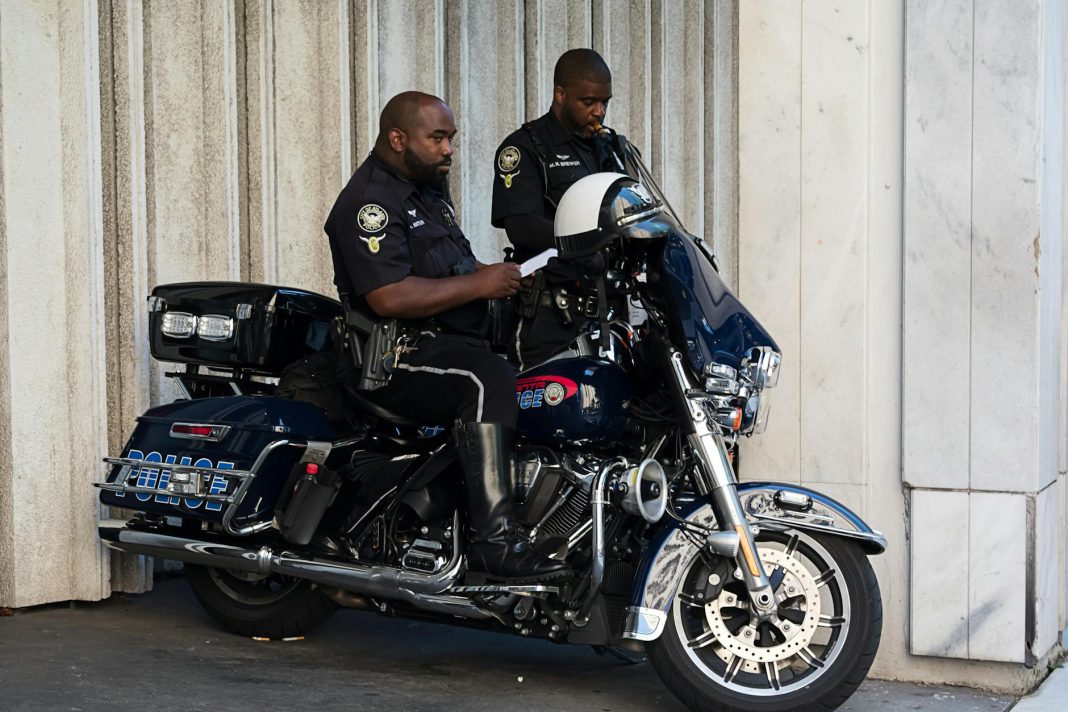
Understanding the Presence of Border Patrol in Urban Areas
The U.S. Border Patrol, a federal law enforcement agency under the Department of Homeland Security, is primarily tasked with preventing illegal immigration and smuggling across the U.S. borders. While its primary focus is on border areas, the agency has expanded its operations into various urban locations across the country, including cities like Charlotte and Atlanta.
Expanded Authority and Operations
Border Patrol agents have the authority to operate within 100 miles of any U.S. border, which encompasses a significant portion of the U.S. population. This jurisdiction allows them to conduct immigration enforcement activities in areas far removed from the actual border. As a result, cities that are located within this 100-mile zone may see an increased presence of Border Patrol agents.
Factors Influencing Urban Deployments
Several factors contribute to the deployment of Border Patrol agents in urban areas. One significant reason is the ongoing efforts to address illegal immigration and human trafficking. Urban centers often serve as transit points for individuals attempting to move deeper into the country. Consequently, Border Patrol may increase its visibility in these areas to deter illegal activities and enhance enforcement efforts.
Community Impact and Response
The presence of Border Patrol in cities can lead to varied responses from local communities. Some residents may view the increased enforcement as a necessary measure to ensure public safety, while others may express concerns about civil rights and the impact on immigrant communities. Local law enforcement agencies often collaborate with Border Patrol, which can lead to discussions about the balance between immigration enforcement and community trust.
Policy Context
The operational strategies of Border Patrol can be influenced by broader immigration policies and political climates. Changes in administration can lead to shifts in enforcement priorities, which may affect how and where Border Patrol operates. The agency’s activities are subject to federal laws and regulations, which dictate its authority and operational scope.
Conclusion
As the U.S. continues to navigate complex immigration issues, the presence of Border Patrol in urban areas like Charlotte and Atlanta reflects the agency’s expanded operational authority. Understanding the reasons behind this presence can help communities engage in informed discussions about immigration enforcement and its implications for public safety and civil rights.